Explore our industrial-grade, EEC-certified rechargeable mopeds optimized for smart urban commuting, logistics, and corporate fleet applications.
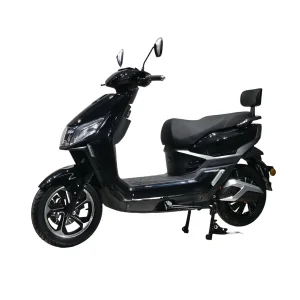
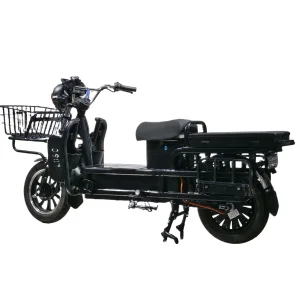
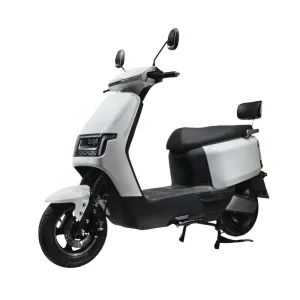
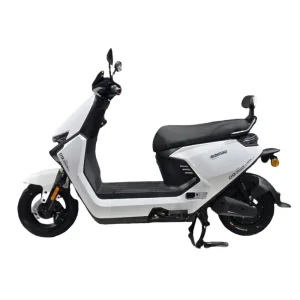
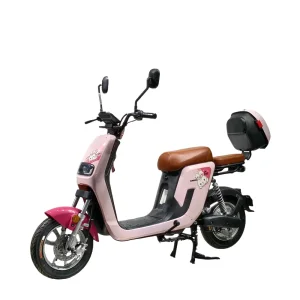
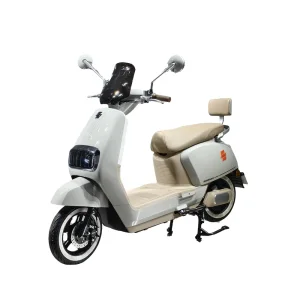
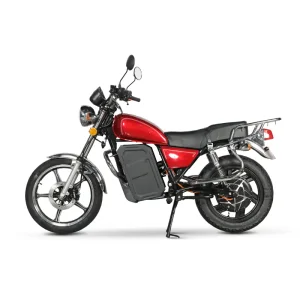
Analyzing the shift toward modular, high-efficiency rechargeable mopeds within the global commercial landscape.
The global shift towards low-emission zones (LEZ) and zero-emission delivery mandates has pushed urban enterprise logistics to reassess their transportation assets. Internal combustion engine (ICE) scooters are facing rapid obsolescence due to rising fuel costs, complex mechanical maintenance schedules, and regulatory bans. Our engineering models demonstrate that integrating rechargeable electric mopeds yields up to a 65% reduction in fleet operating costs. Fleet operators benefit from simplified powertrains with fewer moving parts, virtually eliminating traditional engine wear, transmission fluid updates, and exhaust maintenance.
Operational performance depends on data. Modern commercial fleets integrate advanced telematics solutions directly linked to the vehicle's central controller (ECU) and Battery Management System (BMS). Using real-time cellular data links, operators track battery state of charge (SoC), operational health indicators, thermal metrics, and geographic coordinates. This connectivity allows predictive maintenance scheduling before component degradation occurs, maximizing uptime. In addition, automated geofencing ensures compliance with municipal zoning requirements, speed caps, and pedestrian safety regulations.
Carbon emissions reductions are critical to modern corporate ESG mandates. Deploying rechargeable mopeds offers a direct pathway to lowering Scope 1 and Scope 3 emissions. When paired with smart grid integration and renewable electricity purchasing agreements (PPAs), fleet logistics operations can achieve near-zero operational emissions. We utilize highly recyclable materials, lead-acid alternatives, and cobalt-free lithium formulations (LFP) that minimize environmental impacts over their lifecycles. Our manufacturing processes prioritize resource conservation and eco-efficient assembly practices.
How multinational companies are scaling micro-mobility options to address operational gaps, supply chain constraints, and total cost metrics.
Commercial sourcing agents and procurement officers evaluate several key pillars before establishing supply contracts for electric two-wheelers. Product stability, continuous supply chain delivery, parts standardization, and international compliance certificates (EEC, CCC, ISO9001) remain critical to corporate procurement pipelines.
Wuxi Lingmo Network Technology Co., Ltd. addresses these operational requirements by offering customized product lines and comprehensive design support. Our close integration with manufacturing facilities ensures rapid response times for OEM requests and customized hardware. We accommodate custom structural modifications, local homologation requirements, fleet telematics integration, and custom paint coatings (e.g., UV-resistant versus high-elasticity PU finishes).
Leveraging our location in Wuxi, the hub of Chinese electric vehicle production, we maintain direct access to premium-grade components—from optimized hub motors with varied magnetic steel heights (27H/35H configurations) to customized controller systems. This localized ecosystem optimizes parts sourcing and cost structures, passing competitive advantages directly to our commercial partners.
Operational metrics illustrating our production scale and global commercial presence.
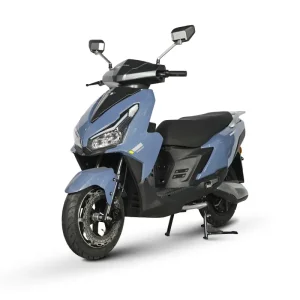
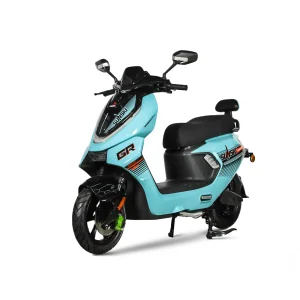
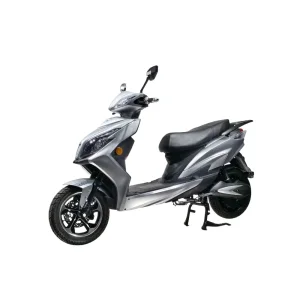
Our rechargeable mopeds and electric scooters are optimized for diverse industrial, commercial, and consumer applications.
Heavy-duty cargo delivery solutions optimized for urban environments.
Reliable commuter solutions balancing efficiency and operator comfort.
Performance-tuned and classic designs targeting regional consumer trends.
Low-maintenance transport networks within complex industrial compounds.
Durable hardware platforms featuring robust IoT integrations.
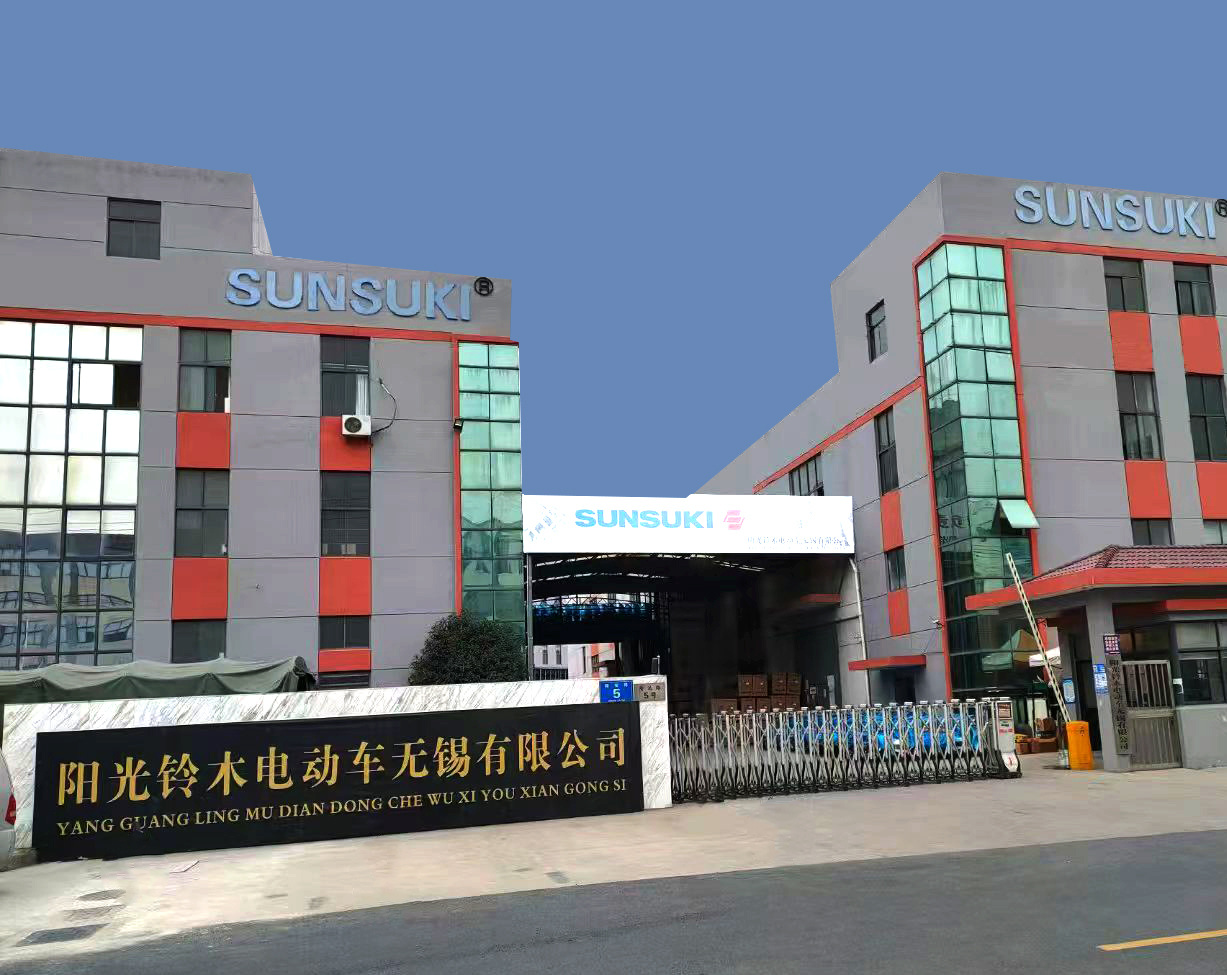
Located in Wuxi, within the Dacheng Industrial Park of the Xishan District, Wuxi Lingmo Network Technology Co., Ltd. sits at the heart of the "Electric Vehicle Capital of China." This geographic advantage provides direct access to mature supply chains, specialized research groups, and advanced manufacturing technologies.
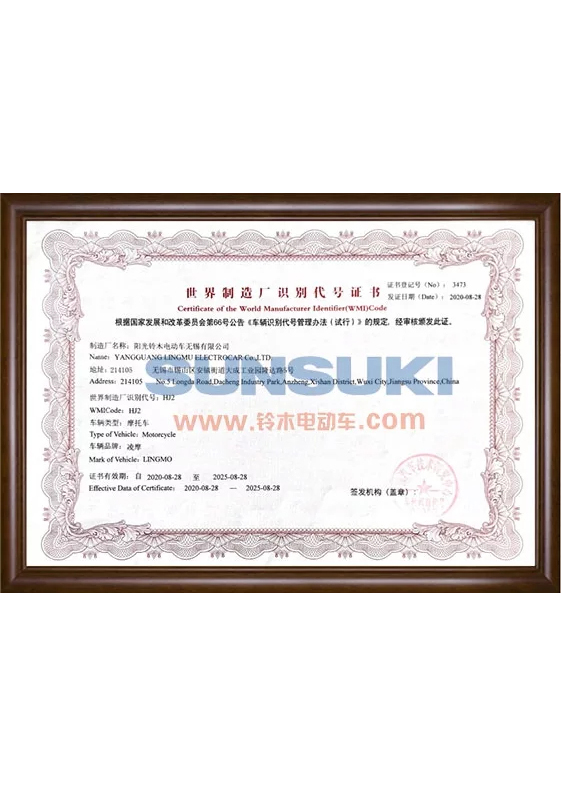
In close collaboration with our manufacturing partner, Yangguang Lingmu Electrocar Wuxi Co., Ltd., we created the Sunsuki brand. Sunsuki focuses on designing, developing, and exporting high-performance electric vehicles. This partnership combines Lingmo's digital intelligence, IoT systems, and distribution network with Yangguang Lingmu's production capacity, strict QA frameworks, and precision assembly lines.
A deep dive into our core research focus, material selection, and powertrain developments.
Our powertrains utilize highly efficient brushless DC (BLDC) hub motors, ranging from 400W units optimized for city use (as seen on the M2) to high-power 2000W and 3000W motors (such as the VRS and Sunsuki TZ). We design our motors with premium-grade magnetic steel tiles, specifically selecting 27H and 35H grade configurations to resist demagnetization under thermal stress. This ensures long-term power output, improved torque curves, and peak energy conversion efficiencies exceeding 88%.
Safety remains a critical factor in urban two-wheeler development. By integrating electronic anti-lock braking systems (E-ABS) with mechanical disc brakes, our vehicles deliver balanced stopping power on slippery surfaces. The E-ABS system communicates with the controller to recover kinetic energy during deceleration, routing charge back to the battery pack. This increases overall city driving range by up to 5-8% depending on traffic conditions.
To extend vehicle lifespan, we employ advanced plastic paint finishes on all structural fairings. Polyurethane (PU) paint coatings provide flexible, chemical-resistant finishes with excellent adhesion. Alternatively, UV-curable coatings offer high scratch resistance and rapid manufacturing cycles. This prevents paint chipping, degradation from weather exposure, and yellowing from direct solar UV radiation over years of heavy outdoor commercial use.
Ensuring compliance across diverse global markets via rigorous quality audits and certifications.
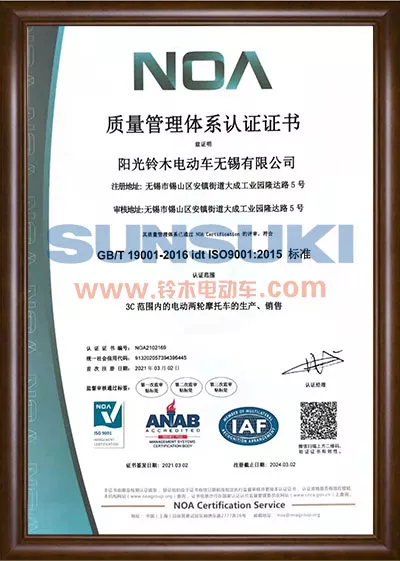
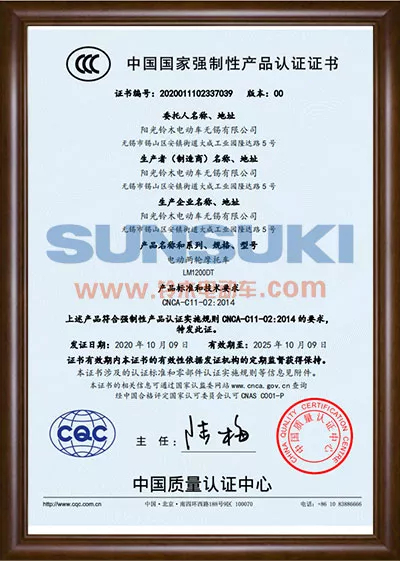
Our production plants strictly adhere to the ISO9001 quality management framework. This ensures standard documentation, raw material checks, component audits, and end-of-line vehicle testing for uniform quality.
Models such as the G18, E11, and TY are certified under European EEC standards. This allows immediate registration and legal operations on European public roads, simplifying import processes for local distributors.
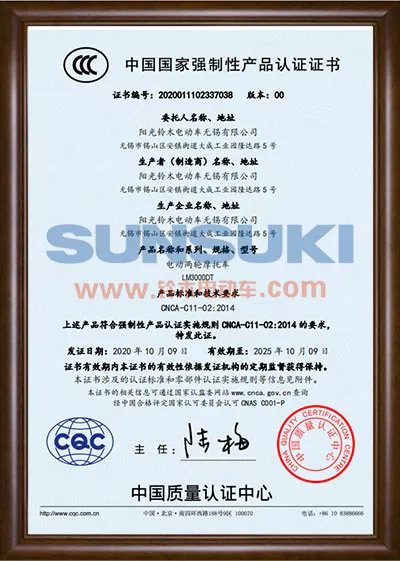
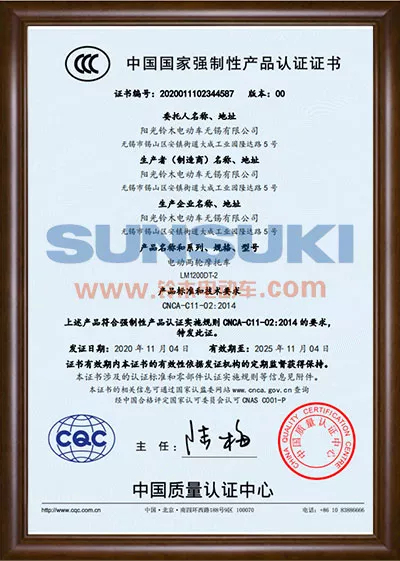
Our compliance with China Compulsory Certification (CCC) guarantees structural integrity, battery protection, electrical isolation, and fire resistance, meeting strict national safety standards.
Technical and logistics questions answered for fleet coordinators, importing agents, and custom design projects.
Updates from our research division, painting workshops, and global micro-mobility analysis.
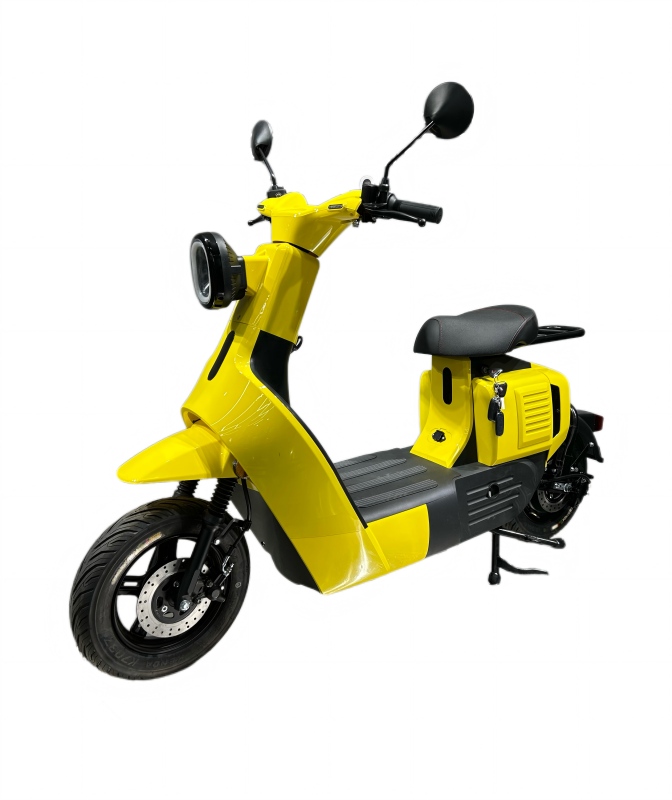
The motor is the core of your electric motorcycle. If you treat it right, it'll run for years without issues. This guide details proper thermal management, hub motor seal inspections, phase wire maintenance, and methods to prevent heat damage during heavy commercial operations.
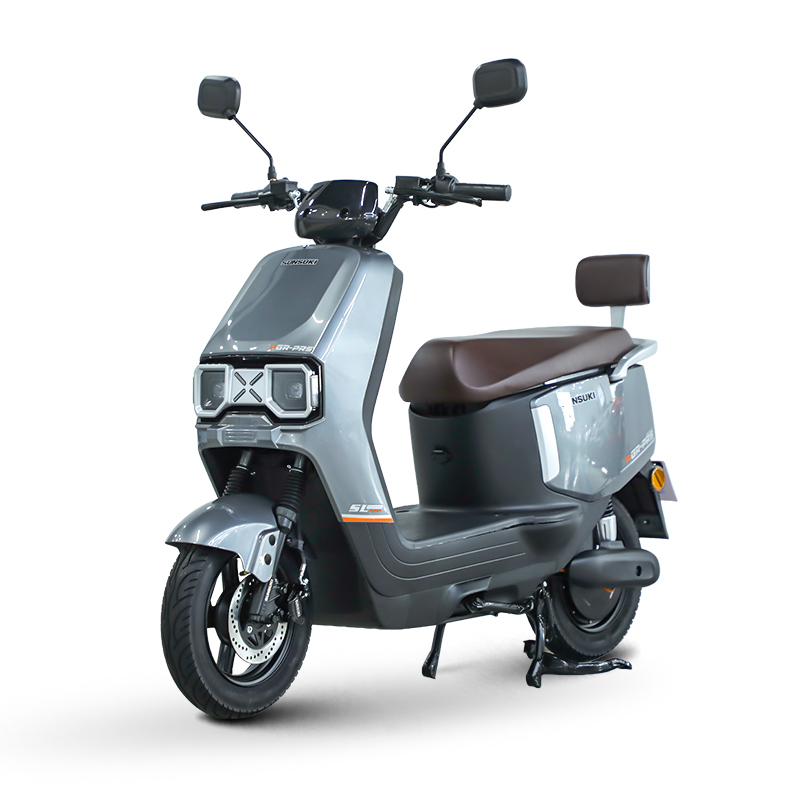
Electric vehicle fairings face constant exposure to weather, UV radiation, and physical impacts. This article compares polyurethane (PU) paint formulations with ultraviolet (UV) curing processes, helping buyers select the most durable finish for their climate.
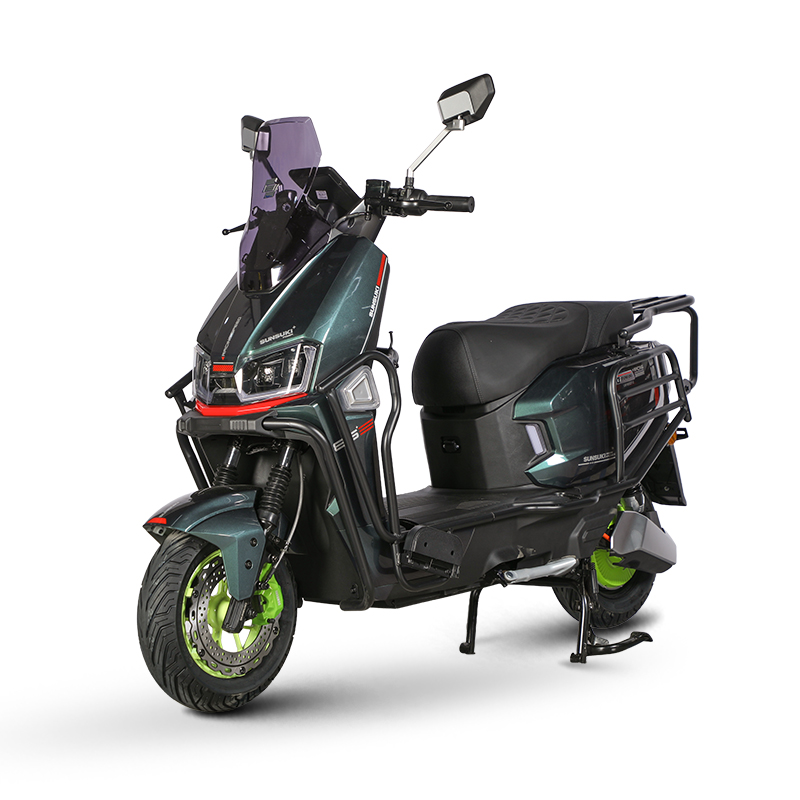
China's rapid shift toward electric micro-mobility serves as a template for global cities. We explore how municipal infrastructure, government incentives, and advanced supply chains in Wuxi are reshaping global transportation networks.
Explore our extended lineup of electric scooters, mopeds, and cargo motorcycles designed for global markets.
 Lingmo