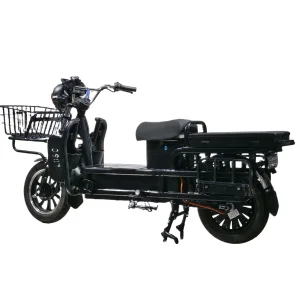
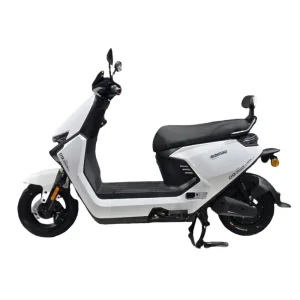
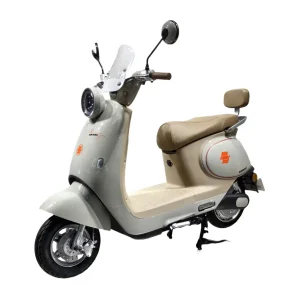
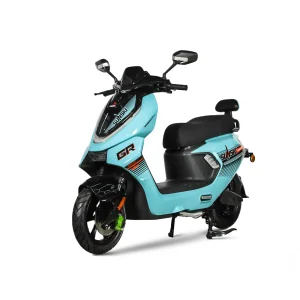
Q1: What are the key advantages of selecting Wuxi-based manufacturing for global E2W sourcing?
▼
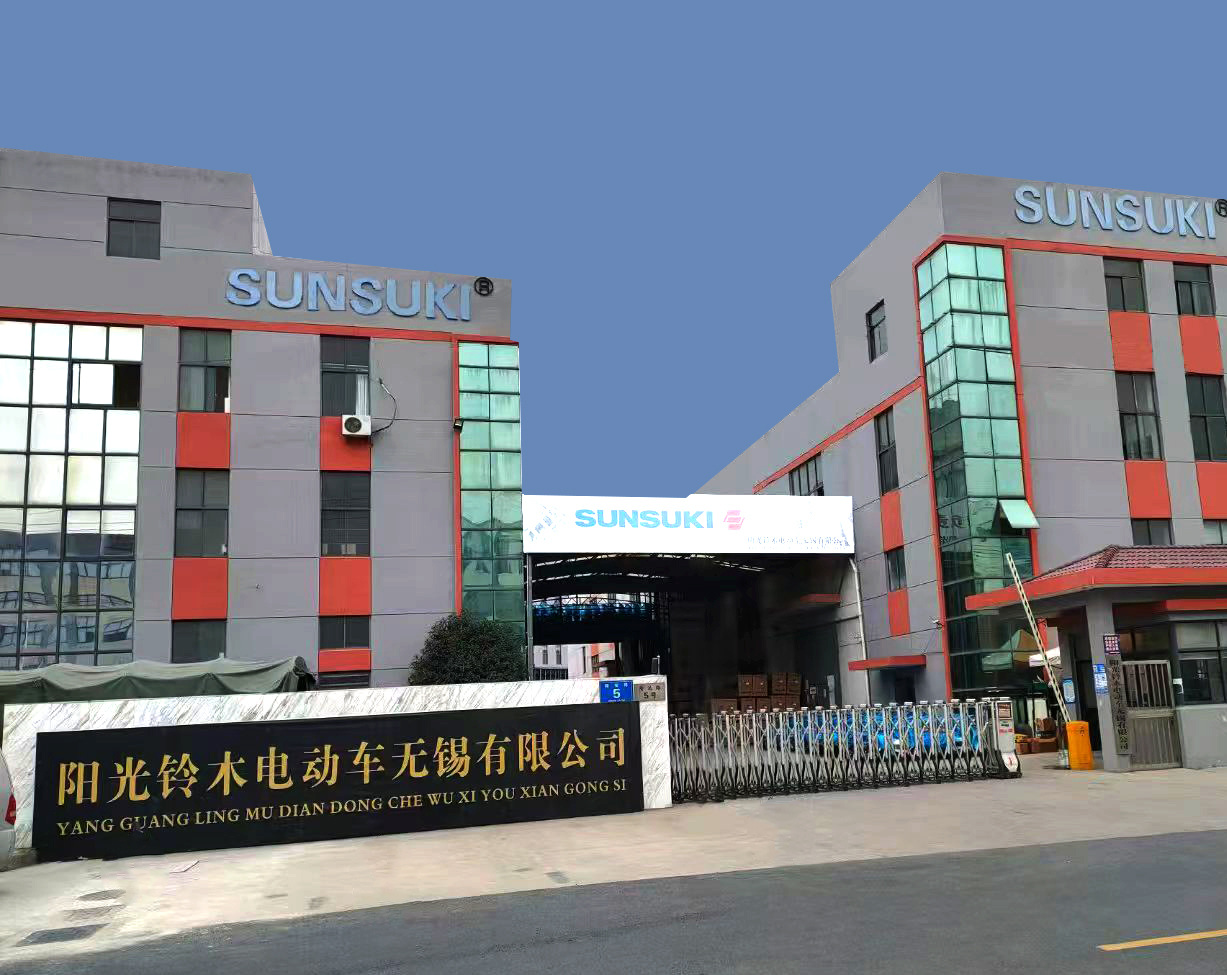
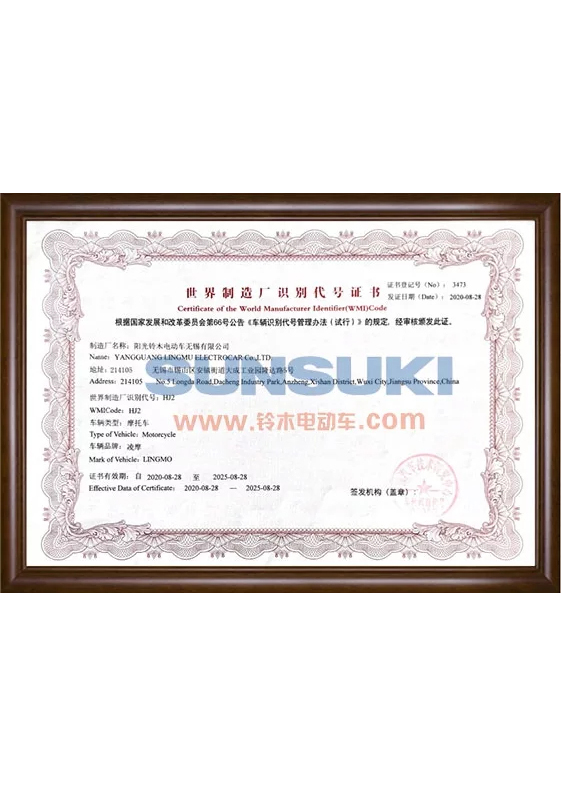
Wuxi, specifically Xishan District and Dacheng Industrial Park, functions as a highly integrated cluster for electric two-wheel vehicles. By housing sourcing networks for copper-wound motors, smart battery management systems (BMS), high-tensile steel frames, and advanced controller modules in a single location, Sunsuki optimizes manufacturing efficiency and logistical speed. This direct sourcing translates to reduced component costs, consistent part tolerances, and accelerated timeline coordination for high-volume custom orders.
Q2: How do your lead-acid and lithium battery management systems (BMS) compare?
▼
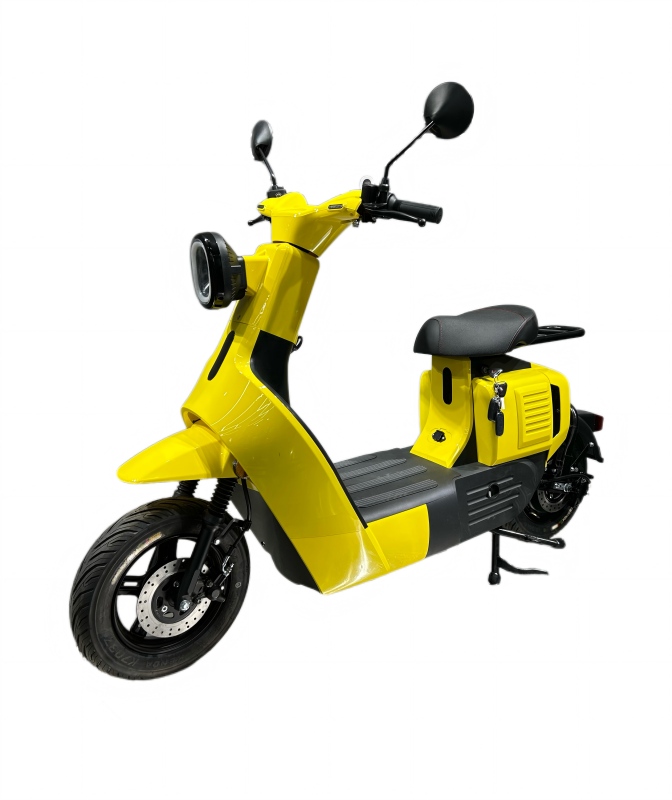
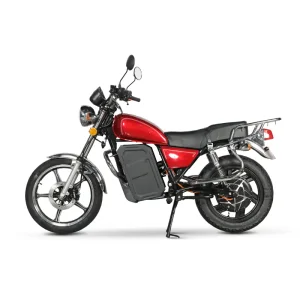
Our models, such as the N95-S, support modular configurations. Lithium battery configurations (utilizing NMC or LFP cells) offer higher energy densities, significant weight reduction, and longer cycle lives (typically 1,500 to 2,000 charge cycles at 80% Depth of Discharge), making them suitable for high-mileage delivery fleets. Lead-acid options are cost-efficient for shorter commuter routes but carry a heavier footprint and lower cycle life (around 400 to 600 cycles). Every lithium layout features an advanced BMS with voltage balancing, high-temperature cutoff protection, and over-discharge prevention.
Q3: What parameters are checked for EEC (European Economic Community) homologation?
▼
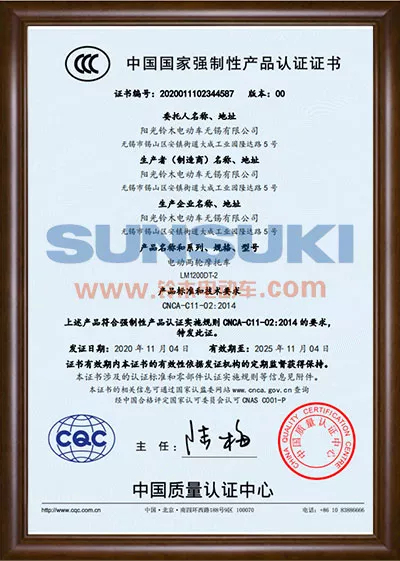
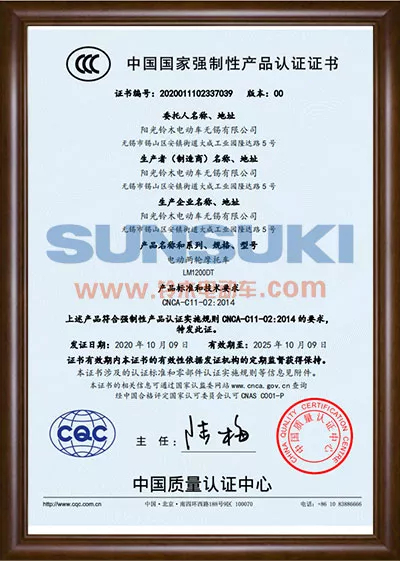
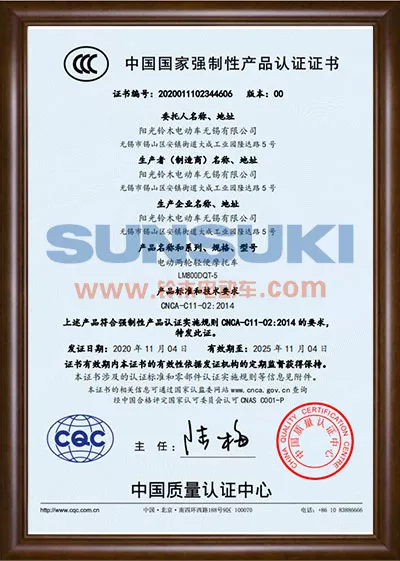
EEC certification requires comprehensive validation across multiple safety areas: electromagnetic compatibility (EMC) of the controllers, electronic speed-limiter accuracy (e.g., restricted to 45 km/h for moped classes or open speeds for high-performance classes like the VRS at 85 km/h), dual circuit braking efficiency, photometric capabilities of LED light arrays, and mechanical chassis load capabilities. Our certified series are fully EEC-compliant and ship with Certificates of Conformity (CoC) to facilitate registration within EU territories.
Q4: What is the technical difference between PU Paint and UV Paint on ABS plastic fairings?
▼
Polyurethane (PU) paint is cured through a chemical cross-linking reaction, providing high film elasticity, stone-chip resistance, and excellent adhesion to ABS substrates. Ultraviolet (UV) paint is cured instantly via high-intensity UV exposure, creating a hard, dense surface layer with superior scratch resistance and chemical immunity. We select PU basecoats for color depth and elasticity on impact-prone panels, combined with UV-cured clearcoats to prevent long-term solar degradation.
Q5: Can you integrate third-party telematics and GPS tracking systems for fleet management?
▼
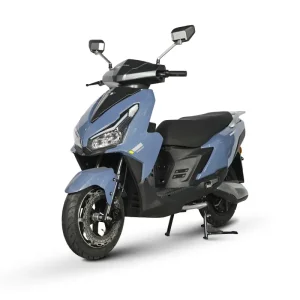
Yes, our smart platforms (including the XC Smart Scooter and VRS Commuter) support direct CAN-bus and OBD-II telemetry integrations. This allows fleet operators to fetch real-time battery status, track geographic positioning, run remote engine disable commands, monitor E-ABS activation, and log diagnostic codes. We offer complete custom wiring setups to support various third-party IoT tracking modules.
Q6: How does the E-ABS regenerative braking system function?
▼
The Electronic Anti-lock Braking System (E-ABS) works by reversing the electromagnetic polarity inside the brushless DC hub motor upon brake lever engagement. This action generates a controlled counter-torque that decelerates the wheel and captures kinetic energy, converting it back to electrical energy. This current is routed through the intelligent motor controller to recharge the battery, increasing overall range efficiency by 5% to 8% while reducing friction wear on the brake pads.
Q7: What is the typical lead time and minimum order quantity (MOQ) for custom OEM orders?
▼
Standard OEM production runs generally have an MOQ of one 20-foot (GP) or 40-foot (HQ) container, depending on the model's footprint. The typical manufacturing turnaround ranges from 30 to 45 days after deposit confirmation and design sign-off. If you require custom frame colors, graphic packages, or specific battery pack configurations, the engineering verification phase may extend the initial shipping schedule.
Q8: How are vehicles protected against corrosion and moisture during ocean shipping?
▼
Every vehicle undergoes a specialized packaging protocol: all metal components are treated with a light anti-rust mist, critical electronic connections are wrapped in waterproof seals, and the vehicle is secured inside a heavy-duty steel mounting frame. The entire structure is wrapped in thick, anti-humidity plastic film containing desiccant packs before being loaded into double-wall corrugated shipping boxes to withstand long ocean transits.
 Lingmo