Engineered for urban distribution, daily commuting, and fleet efficiency. Direct source pricing from our certified Wuxi manufacturing complex.
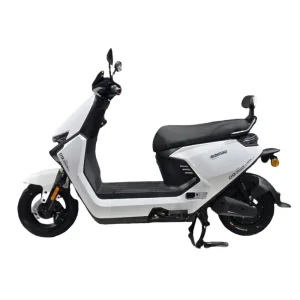
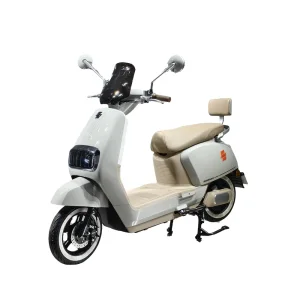
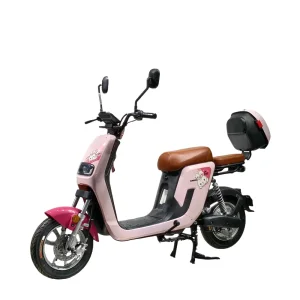
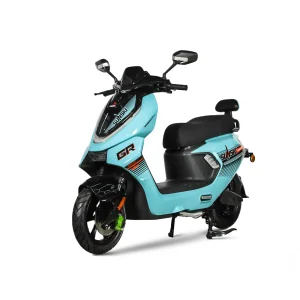
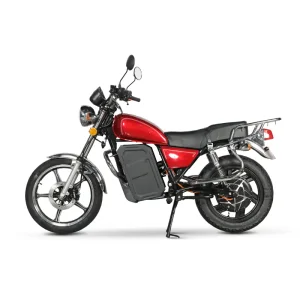
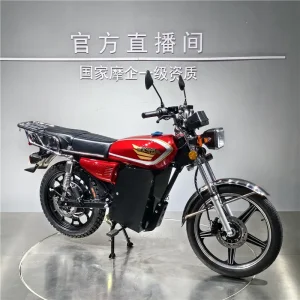
An executive analysis of policy drivers, consumer shifts, and technical breakthroughs shaping B2B procurement strategies.
The global light electric vehicle (LEV) industry is undergoing a structural transformation. Driven by stringent municipal zero-emission zone mandates, rising urban density, and the exponential growth of micro-logistics, electric two-wheelers have transitioned from optional commuter alternatives to essential transit infrastructure. According to current global automotive intelligence, the compound annual growth rate (CAGR) for high-speed electric motorbikes is projected to exceed 18.9% between 2024 and 2030, with substantial import surges recorded in Western Europe, North America, and Southeast Asia.
In this dynamic environment, Original Design Manufacturing (ODM) plays a critical role. Rather than developing proprietary tooling and drivetrains from scratch—a capital-intensive path that delays time-to-market—global importers, sharing operators, and brand owners rely on established manufacturing hubs to deliver scalable, compliance-ready platforms. Modern B2B buyers demand highly sophisticated architectures, integrating smart telemetry, efficient thermal management in battery systems, and durable power electronics to withstand diverse climates and operating conditions.
Municipal legislations across Europe (e.g., Euro 5/6 transition and zero-emission urban logistics zones) force fleets to deprecate internal combustion engines in favor of equivalent L1e and L3e category electric models.
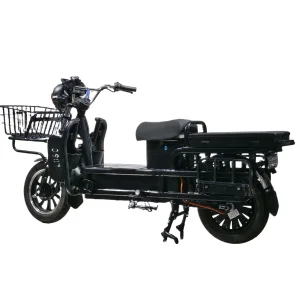
On-demand food delivery, e-commerce distribution, and express courier services require heavy-duty cargo motorbikes featuring high-capacity 72V electrical architectures and ruggedized frame components.
With volatile fuel costs and lower maintenance requirements (fewer moving parts, no oil changes, regenerative braking), fleet operators achieve Total Cost of Ownership (TCO) break-even within 10 to 14 months.
Addressing the core concerns of international distributors: tariffs, logistics, homologation, and supply chain visibility.
For B2B buyers—ranging from regional distributors to venture-backed micromobility sharing platforms—procuring electric motorbikes involves navigating a complex matrix of technological, regulatory, and financial barriers. Chief among these is regulatory compliance. A motorbike that cannot be licensed for road use holds no commercial value. This makes certifications like the European e-Mark (EEC) and the American DOT critical verification steps during factory inspections.
Additionally, logistics optimization is vital. Shipping fully assembled motorbikes (CBU - Completely Built Up) incurs high freight rates due to volumetric inefficiencies. Industry-leading suppliers overcome this by offering Semi-Knocked Down (SKD) or Completely Knocked Down (CKD) packing systems, maximizing container space and reducing import duties in the destination country.
How the synergy of Yangguang Lingmu Electrocar manufacturing scale and Wuxi Lingmo Network technology accelerates ODM development.
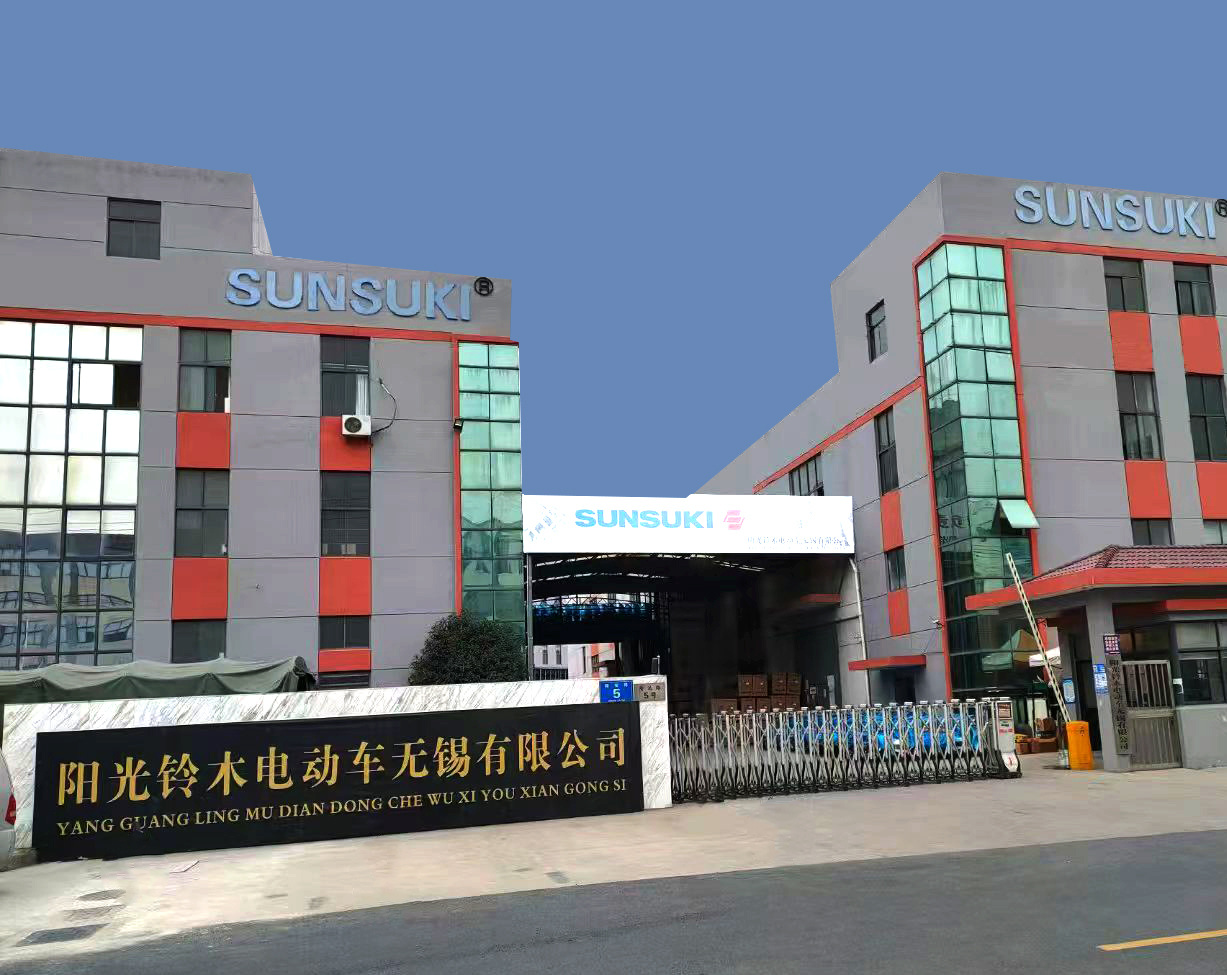
Nestled within the high-tech development zone of Dacheng Industrial Park in Xishan District, Wuxi, Wuxi Lingmo Network Technology Co., Ltd. operates at the center of the world's most mature electric two-wheeler supply chain. In close partnership with manufacturing powerhouse Yangguang Lingmu Electrocar Wuxi Co., Ltd., we formed the Sunsuki brand. This collaboration brings together advanced digital system integration, cloud telemetry development, and heavy industrial manufacturing expertise.
Wuxi produces over 40% of the world's electric scooters. Sourcing from this region offers key advantages: direct access to top motor manufacturers, battery pack fabricators, metal stamping facilities, and specialized plastic injection molding plants. The Sunsuki team leverages this geographical ecosystem to offer unmatched ODM flexibility, taking designs from blueprint to container loading with speed and precision.
Tailoring chassis geometry, power delivery profiles, and secondary accessories to match specific business models.
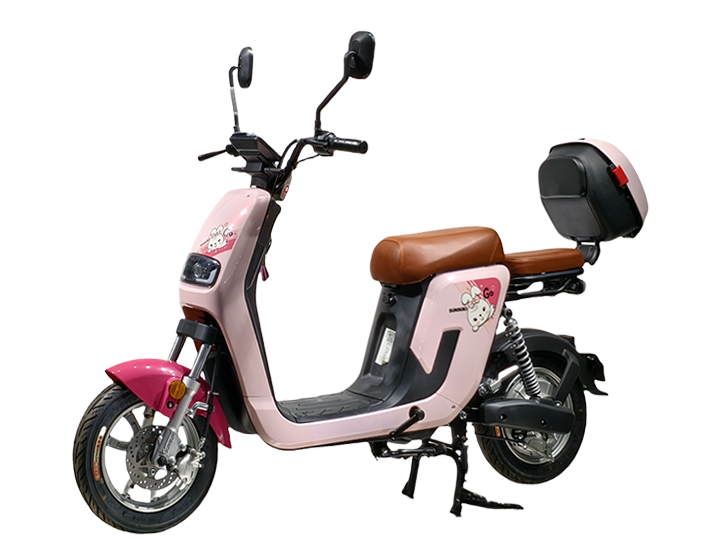
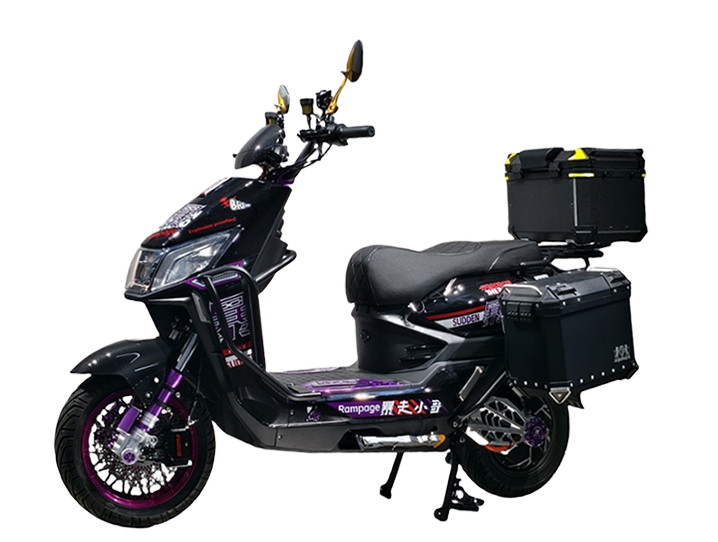
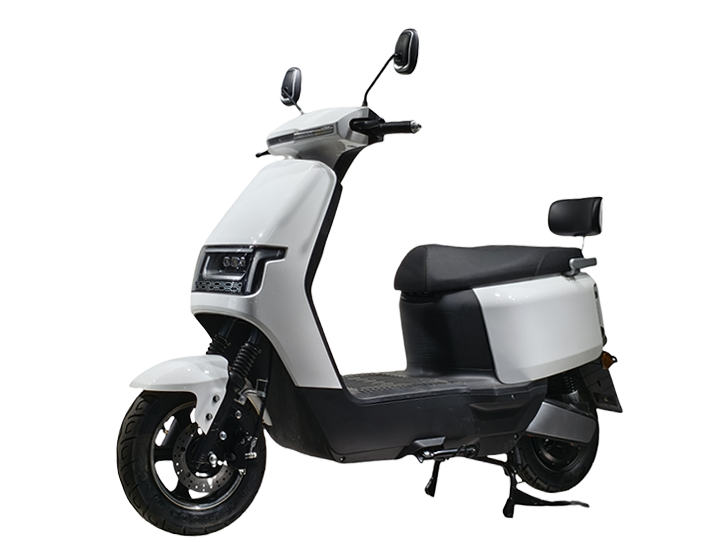
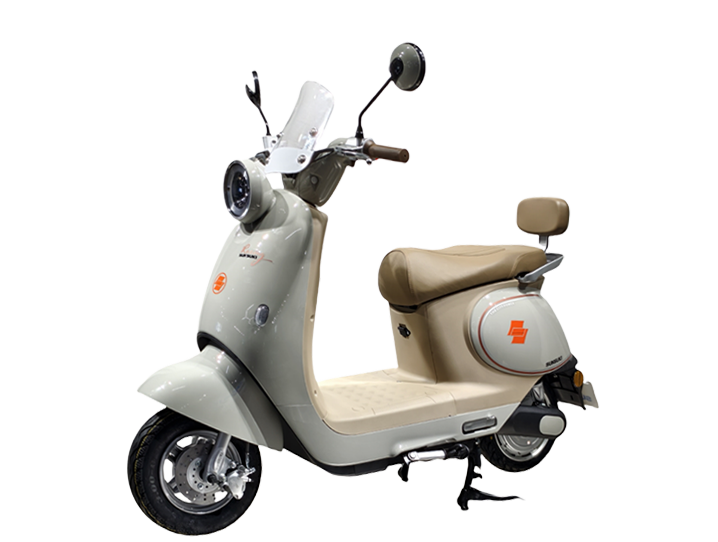
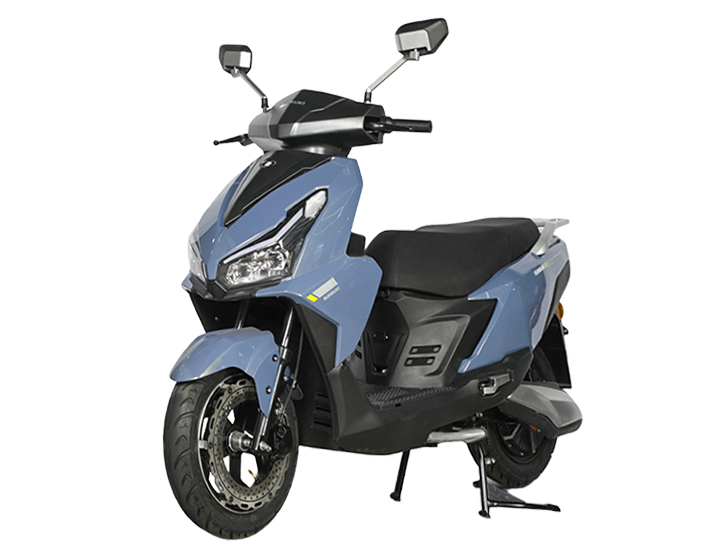
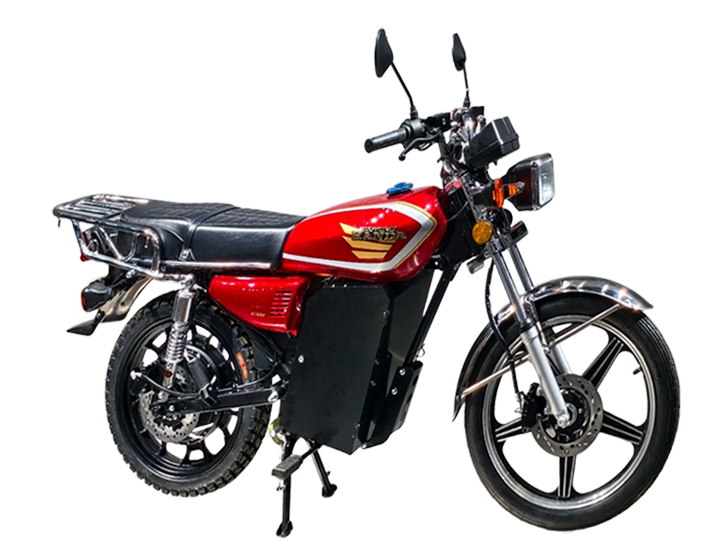
An engineering-focused look at motor core materials, controller designs, and advanced painting techniques.
The choice of finish on lightweight plastic body panels significantly impacts both durability and brand image. Sunsuki applies two premium finishing methods based on client needs:
The efficiency of a hub motor relies on its copper windings and the quality of its permanent magnets. Our premium electric motorbikes feature 35H or 27H magnetic steel cores:
Understanding cost drivers in electric vehicle manufacturing. The values below reflect standard wholesale estimates based on specific configuration guidelines.
| Platform Class | Nominal Motor Power | Battery Chemistry & Capacity | Est. FOB Price Range (MOQ 20-50 units) | Target Applications |
|---|---|---|---|---|
| Entry Moped (e.g., M2) | 400W - 800W | 48V 20Ah Lead-Acid / LFP | $320 - $480 USD | Urban commuter, short-range campus transit |
| Standard Commuter (e.g., N95-S) | 1200W - 1500W | 60V / 72V 20Ah Lead-Acid / Ternary | $550 - $720 USD | Courier fleets, urban employee transport |
| Advanced Cargo (e.g., Q60) | 1800W - 2000W | 72V 30Ah LFP (Optional Dual Packs) | $780 - $980 USD | Heavy-duty grocery and food delivery |
| High-Performance (e.g., VRS / R1) | 3000W+ | 72V 40Ah - 80Ah Lithium-Ion | $1,200 - $1,850 USD | Express intercity travel, premium rental fleets |
*Note: The prices above represent standard baseline configurations. Actual costs depend on customization parameters such as specialized GPS trackers, customized branding, specific packaging types (CKD/SKD), and local certification requirements.
Meeting international quality and safety benchmarks to ensure hassle-free customs clearance and road homologation.
To successfully market electric two-wheelers in regions like Europe or North America, vehicles must meet strict safety and environmental standards. Wuxi Lingmo and its production facility, Yangguang Lingmu Electrocar, maintain a comprehensive quality management system certified under ISO9001. This ensures consistent build quality, from raw material inspection to final dyno testing.
For European markets, our vehicles hold EEC (European e-Mark) certification. This covers key aspects such as electromagnetic compatibility, braking systems, and lighting configurations. This allows importers to obtain local license plates and register the vehicles for road use without costly independent testing.
Read the latest technical articles, maintenance guides, and design advice from the Sunsuki engineering team.
The motor is the heart of your electric motorcycle. If maintained correctly, it will deliver years of trouble-free performance. Key steps include checking phase wire connections, ensuring proper seal integrity against water, and monitoring operating temperatures.
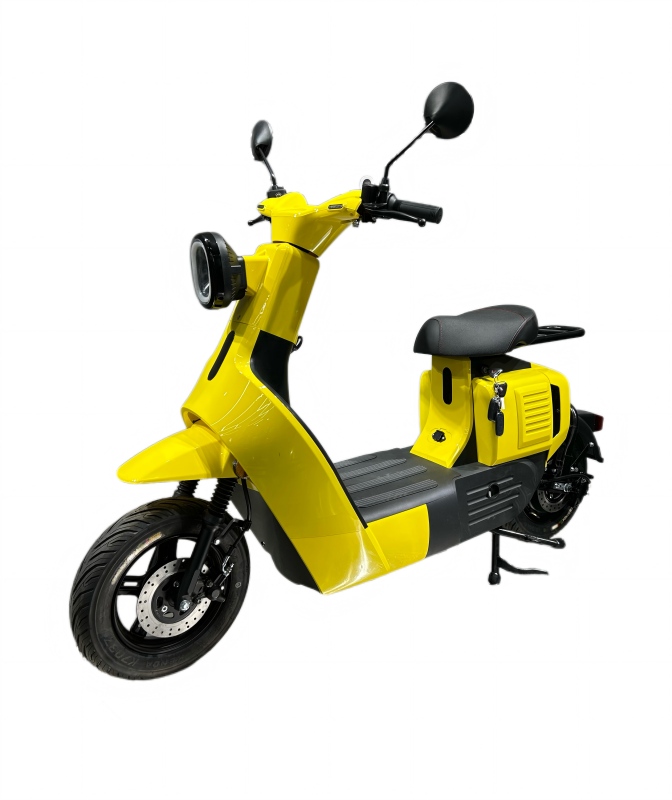
Our technical guide outlines the differences between PU (Polyurethane) and UV (Ultra-Violet) cured coatings. Choose the right finish to balance durability, cost, and style for your target market.
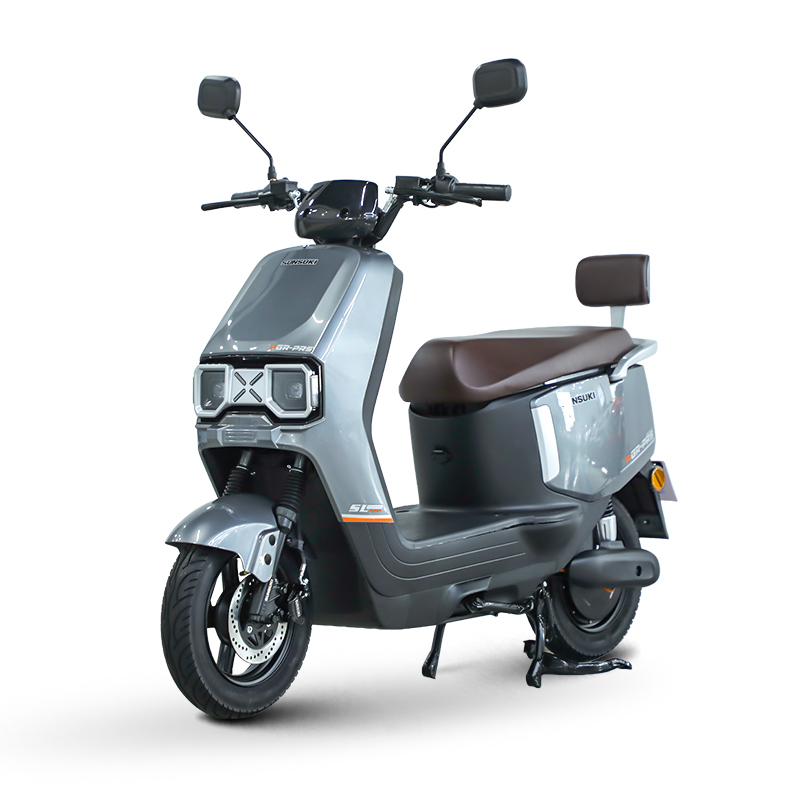
Explore the innovations driving China's light electric vehicle market. Learn how Wuxi's manufacturing ecosystem helps global brands stay competitive in green urban mobility.
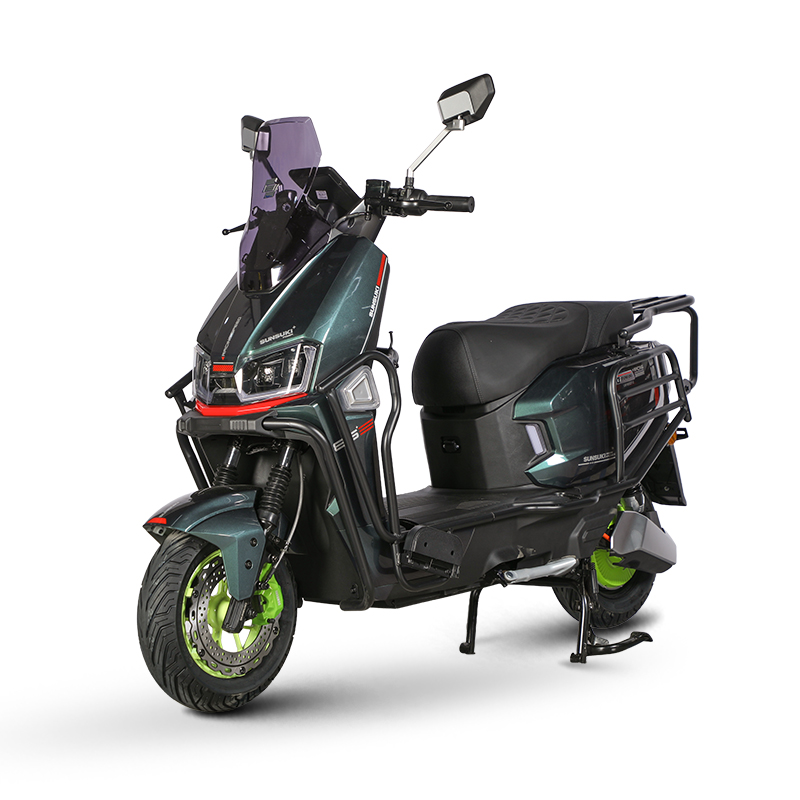
Answers to common questions from international buyers regarding MOQ, custom branding, and shipping logistics.
Additional options from our manufacturing catalog, featuring various motor sizes and battery setups to match your fleet needs.
 Lingmo