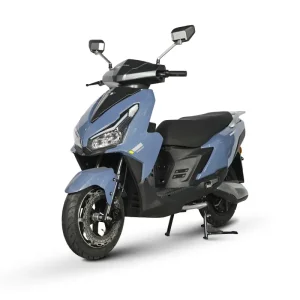
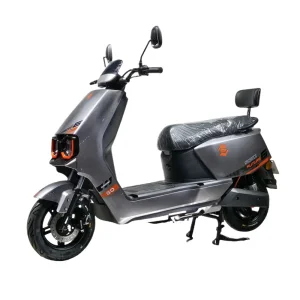
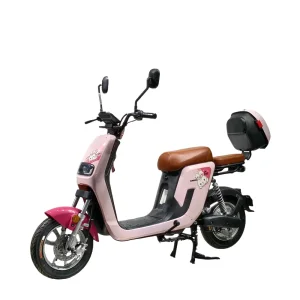
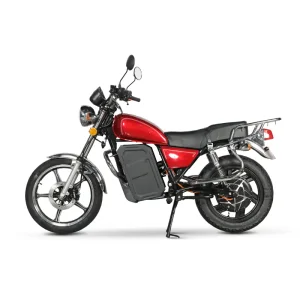
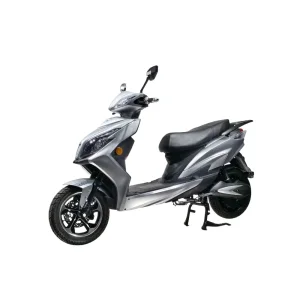
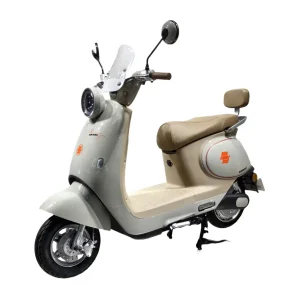
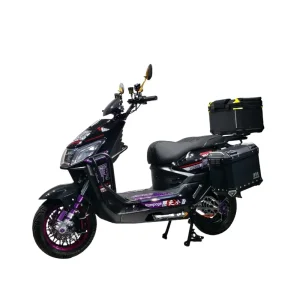
Explore our high-performance, certified electric motorcycles and mopeds engineered for global markets.
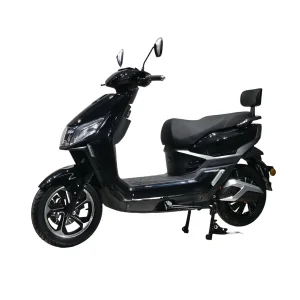
The global transition to sustainable urban transport has accelerated the demand for light electric vehicles (LEVs). Within this transformation, partnerships with key industrial manufacturers, such as the Zhongneng Scooter manufacturing network and consolidated high-end engineering hubs like Wuxi’s vehicle capital, serve as pivotal pillars for micro-mobility solutions. This comprehensive guide outlines structural details, raw material engineering, systemic advantages of Wuxi-based manufacturing alliances, and optimized commercial procurement pathways for global enterprises seeking high-quality two-wheel solutions.
Wuxi, recognized as the "Electric Vehicle Capital of China," is home to some of the world's most sophisticated manufacturing clusters. Our operations, positioned inside the Dacheng Industrial Park in Wuxi’s Xishan District, are configured to harness this hyper-localized supply chain. Working alongside our production partner, Yangguang Lingmu Electrocar Wuxi Co., Ltd., the Sunsuki engineering and business team delivers high-performance electric mopeds, cargo logistics vehicles, and advanced commuter scooters designed to meet international standards.
This ecosystem yields critical production advantages:
Choosing the correct coating chemistry for EV body panels is essential for durability, scratch resistance, and aesthetic longevity in diverse climates. Manufacturers use two primary methods for plastic body parts: Polyurethane (PU) paint and Ultraviolet (UV) cured coatings.
| Evaluation Parameter | Polyurethane (PU) Coatings | Ultraviolet (UV) Cured Coatings |
|---|---|---|
| Curing Mechanism | Two-component chemical reaction, ambient or low-bake oven cured. | Instant polymerization initiated by intense UV light exposure. |
| Elasticity & Flex Life | Excellent flexibility. Highly resistant to impact damage and bending. | Denser cross-linking makes it harder but more prone to micro-cracking under stress. |
| Scratch & Abrasion Resistance | Good, with moderate self-healing properties under mild heat. | Superior surface hardness (often up to 3H-4H pencil hardness tests). |
| Weathering & UV Protection | Outstanding protection against paint yellowing and UV degradation. | Good, but requires specialized additives to prevent long-term discoloration. |
| Eco & Factory Efficiency | Longer drying cycles increase emission risk and cleanroom footprint. | Zero-VOC potential, near-instant cure times, highly automated footprint. |
For high-end consumer commuter vehicles like the VRS Smart Commuter or the performance-driven R1 Electric Motorcycle, a hybrid application is often used: resilient PU primer layers provide adhesion and impact absorption, while a UV clear coat provides a scratch-resistant outer shield.
An electric vehicle's performance is determined by its powertrain. The core motors used in our product range (including the Q60 Urban Electric Scooter with its 27H motor, and the XC Advanced Smart Scooter utilizing a 35H motor) are designed to maximize thermal resilience and efficiency.
The suffix designation (e.g., 27H, 35H) refers to the height of the neodymium magnets inside the stator and the magnetic field rating (H-grade, rated for operating temperatures up to 120°C/248°F). In scooter engineering:
Providing robust, scalable micro-mobility platforms for multiple commercial applications.
Specially reinforced chassis options, dual battery systems, and dedicated luggage mounting hardware designed for heavy-duty courier, postal, and food delivery services.
Custom-branded smart electric mopeds featuring integrated GPS tracking, geo-fencing options, and remote fleet management dashboards to optimize corporate campus travel.
IoT-ready configurations with smart NFC unlock modules, durable hardware builds, and tamper-detection systems suited for urban bike-share networks.
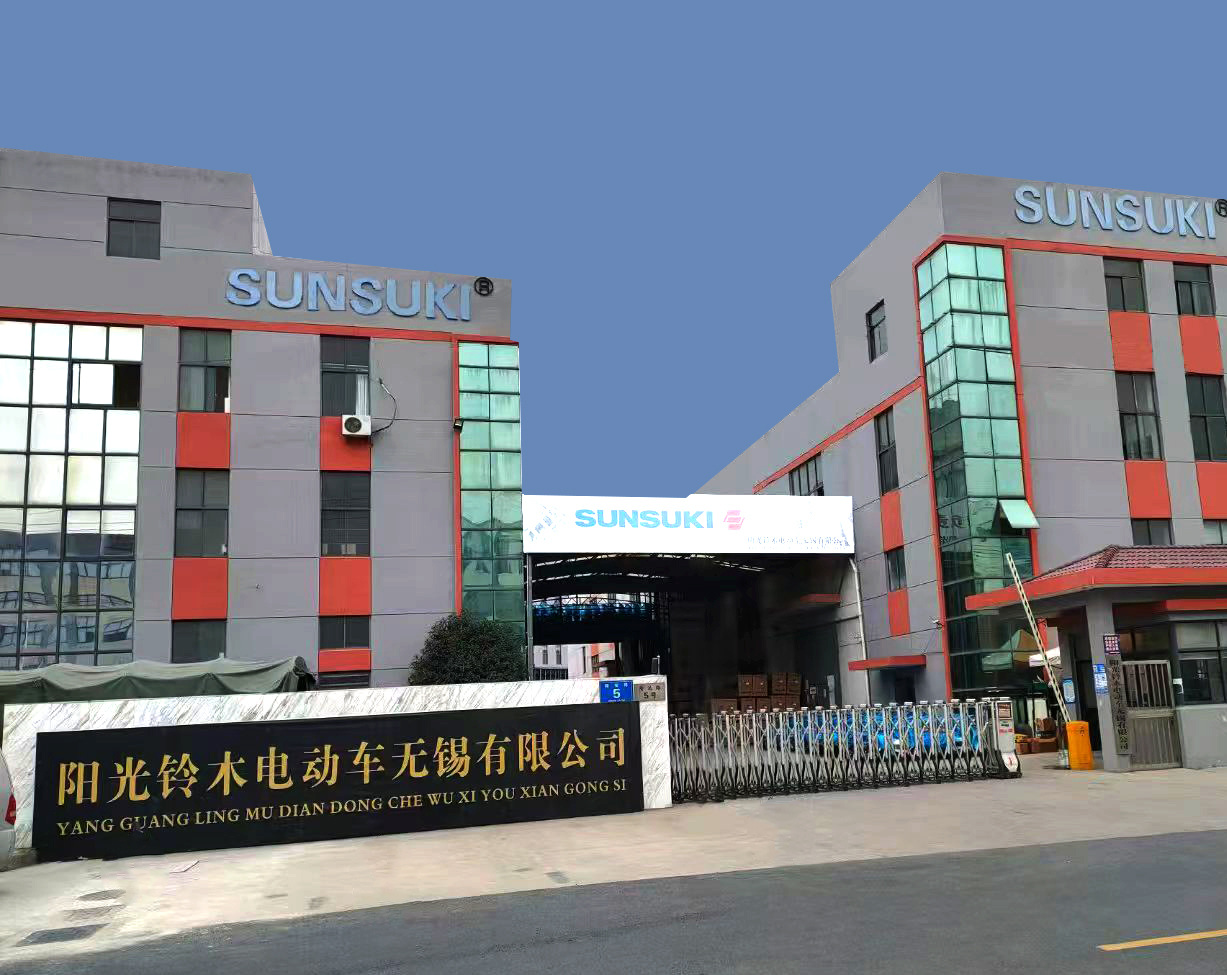
Located in the heart of Dacheng Industrial Park in Wuxi, Wuxi Lingmo Network Technology Co., Ltd. works alongside partner factory Yangguang Lingmu Electrocar Wuxi Co., Ltd. to design, build, and distribute light electric two-wheelers.
Our vehicles are built to tackle diverse logistics, personal transport, and industrial operations.
Our electric two-wheelers support both Lithium Iron Phosphate (LiFePO4) / Ternary Lithium (NMC) batteries and heavy-duty, budget-friendly sealed Lead-Acid (SLA) configurations. The N95-S Electric Commuter Scooter and the high-speed VRS 3000W models utilize high-density lithium cells paired with integrated BMS boards. The BMS provides real-time protection against:
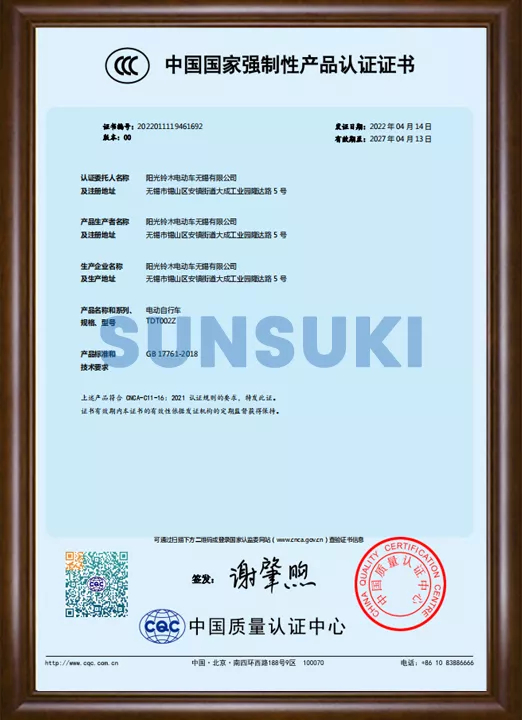
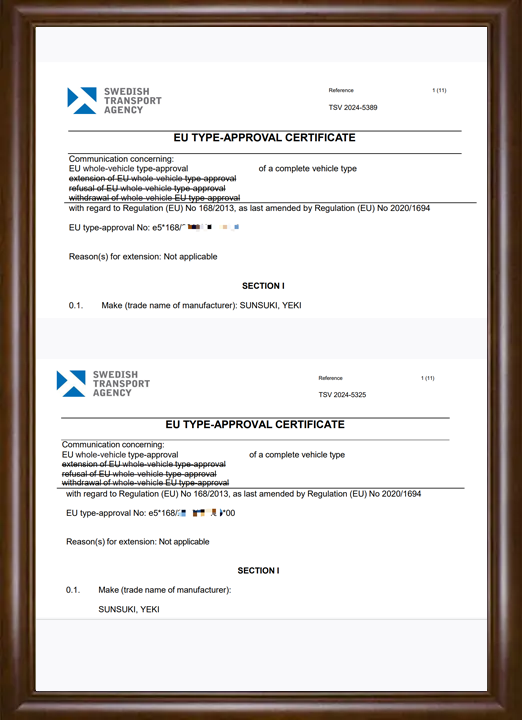
Entering international markets requires strict compliance with domestic safety regulations. Our vehicles carry various certifications to facilitate global imports:
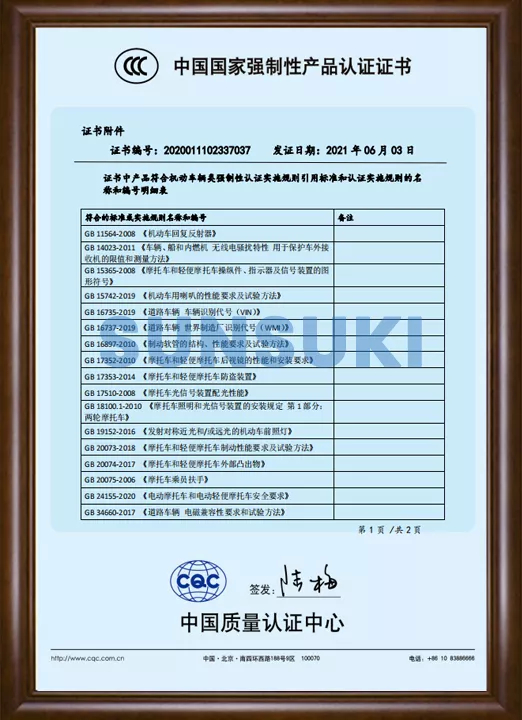
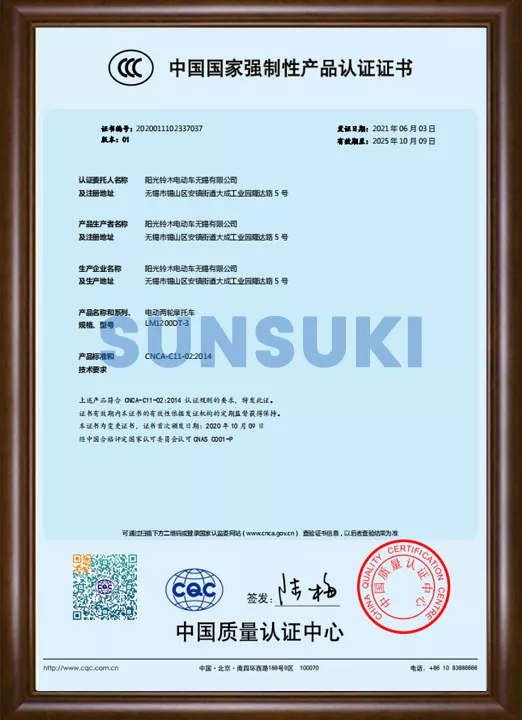
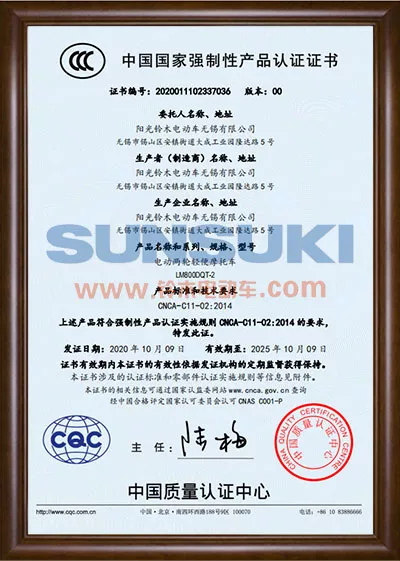
Insights from our engineering team on maintenance, paint protection, and urban mobility trends.
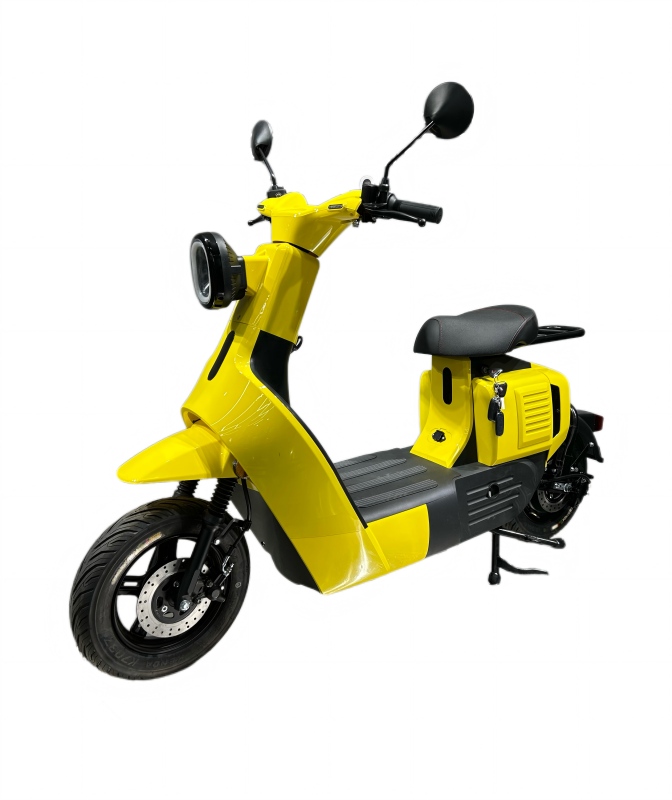
The motor is the heart of your electric motorcycle. If you treat it right, it'll run for years without issues. Learn about heat management, moisture seals, and bearings.
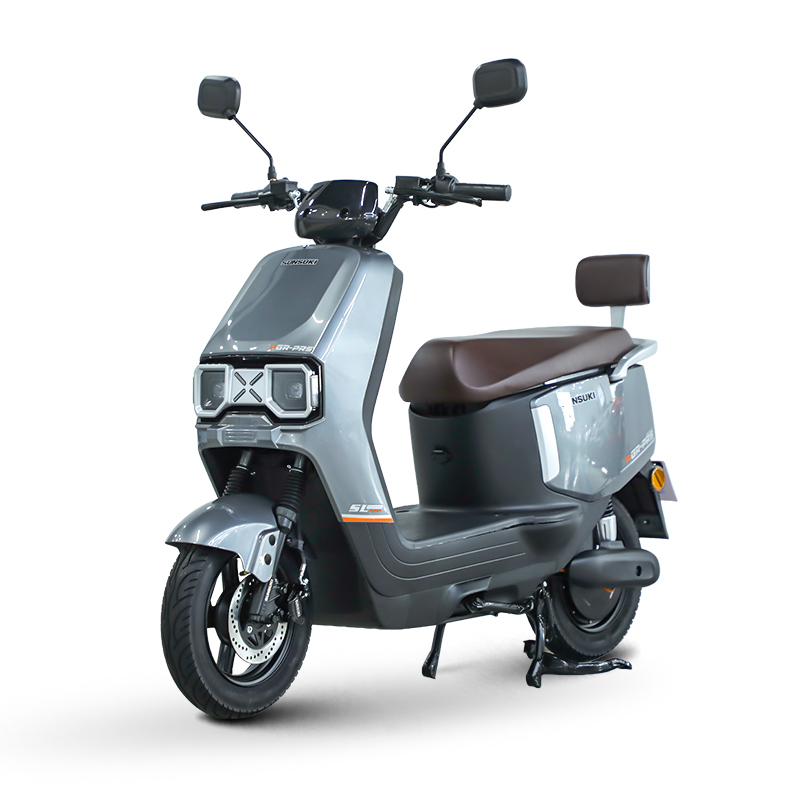
If you have an electric car or electric motorcycle, you've probably noticed the painted plastic parts. This guide breaks down the differences in finish and longevity.
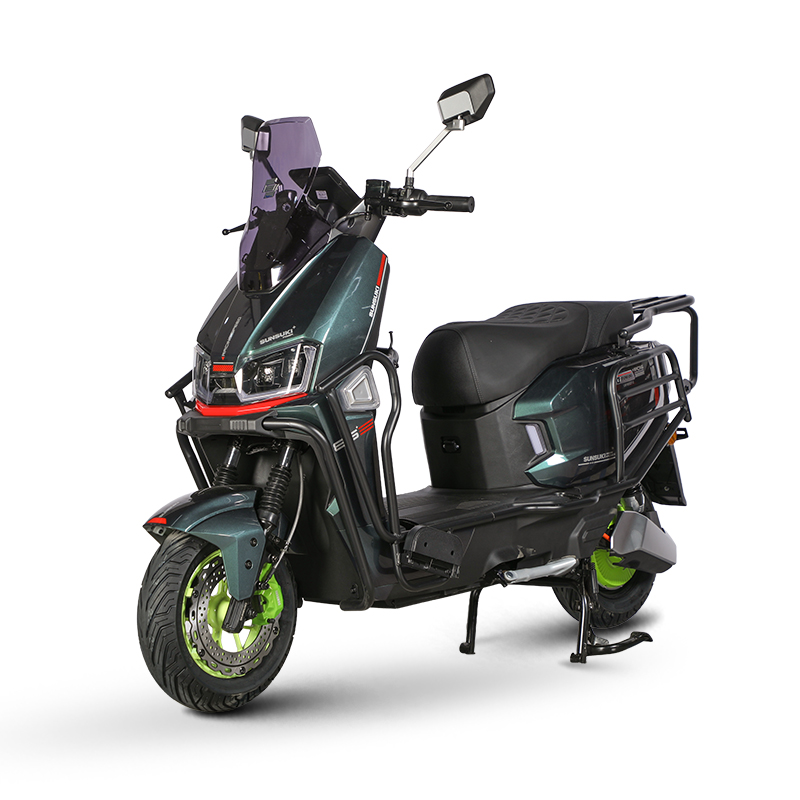
China's traffic landscape has evolved from petrol scooters to advanced electric drivetrains. Discover how modern infrastructure has enabled the rise of two-wheel electric mobility.
Key information regarding battery chemistry, import certifications, and factory customization options.
Explore our high-performance, certified electric motorcycles and mopeds engineered for global markets.
 Lingmo