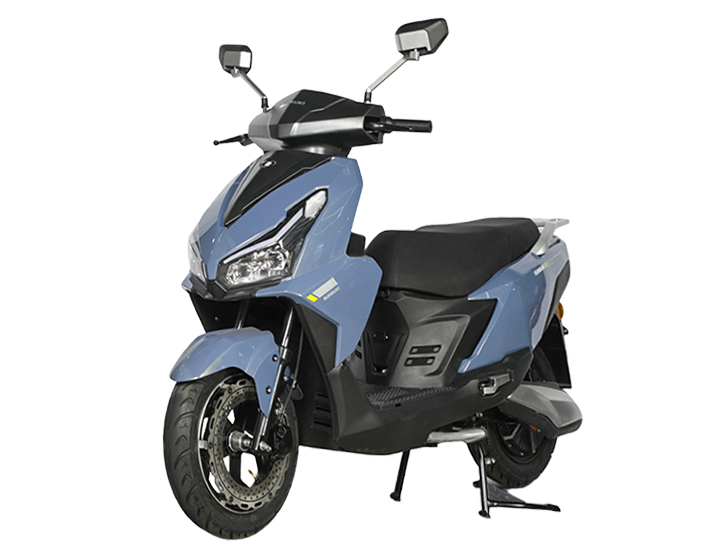
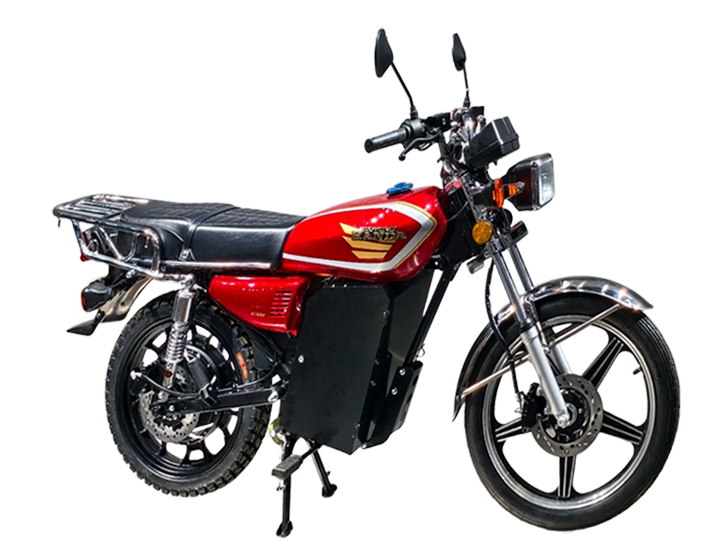
Engineered for urban distribution, postal services, and reliable fleet operations. Preserving authentic manufacturer pathways.
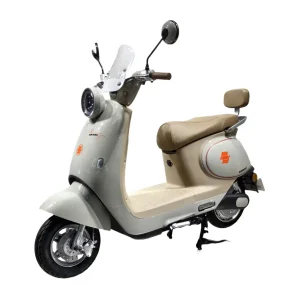
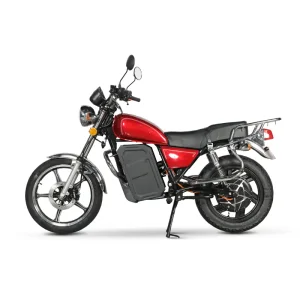
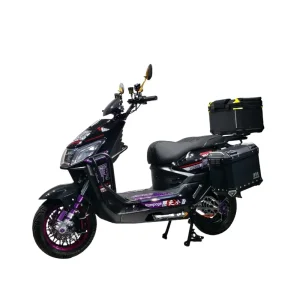
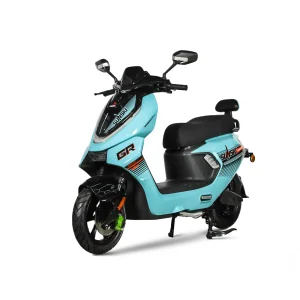
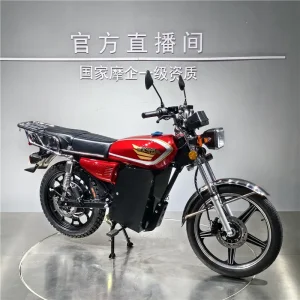
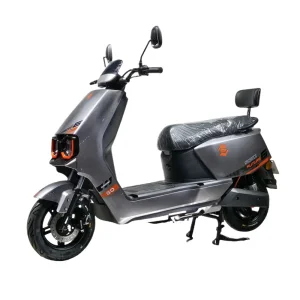
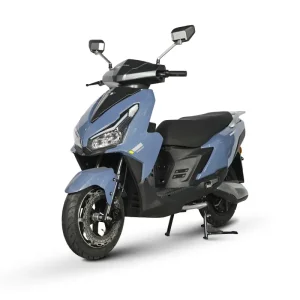
Global logistics, postal systems, and urban distribution hubs are undergoing a structural transition toward carbon-neutral operations. Standard electric two-wheelers designed for casual commuting fall short when subjected to the high-duty cycles of last-mile commercial delivery. A Heavy-Duty Cargo E-Motorcycle must withstand continuous payload capacities up to 250 kilograms, sustain structural abuse from uneven municipal pathways, and deliver reliable thermal management under constant stop-and-go load cycles.
Our engineering ecosystem, integrated through Wuxi Lingmo Network Technology and Yangguang Lingmu Electrocar, addresses these issues directly. By utilizing high-density cold-rolled structural steel frames alongside reinforced front CNC hydraulic shock absorption and dual rear gas-charged suspension systems, these vehicles maintain structural integrity. This level of durability ensures fleet operators achieve maximum uptime, minimal maintenance overheads, and an optimized total cost of ownership (TCO) that outperforms internal combustion engine (ICE) utility fleets within the first 12 months of deployment.
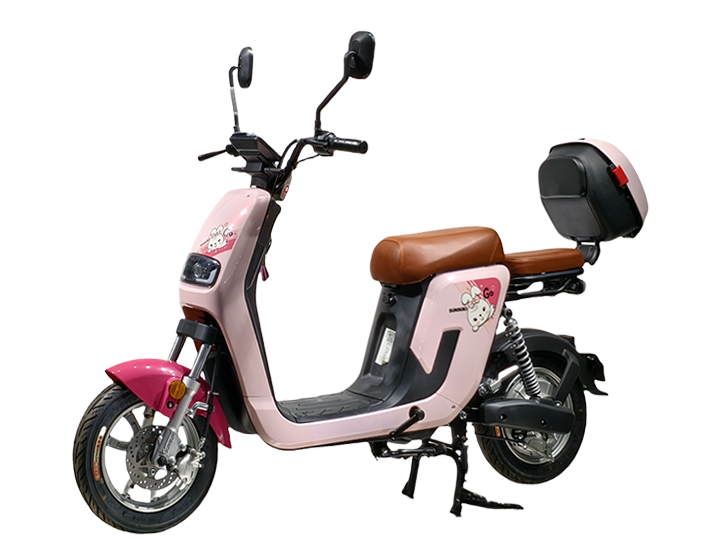
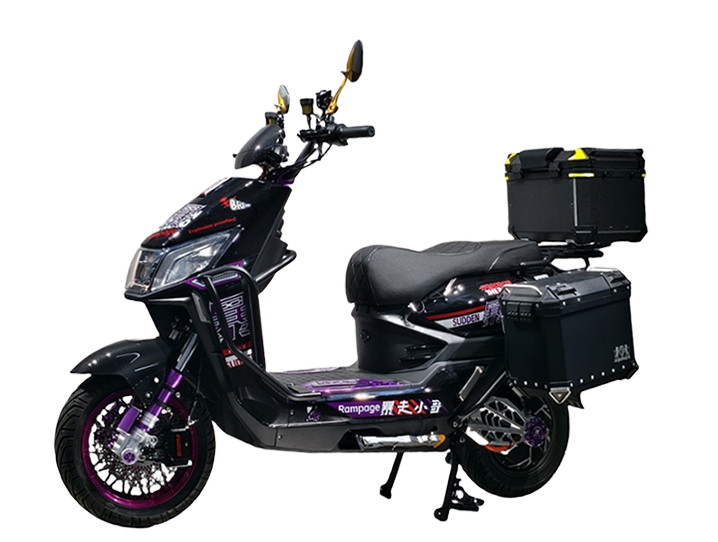
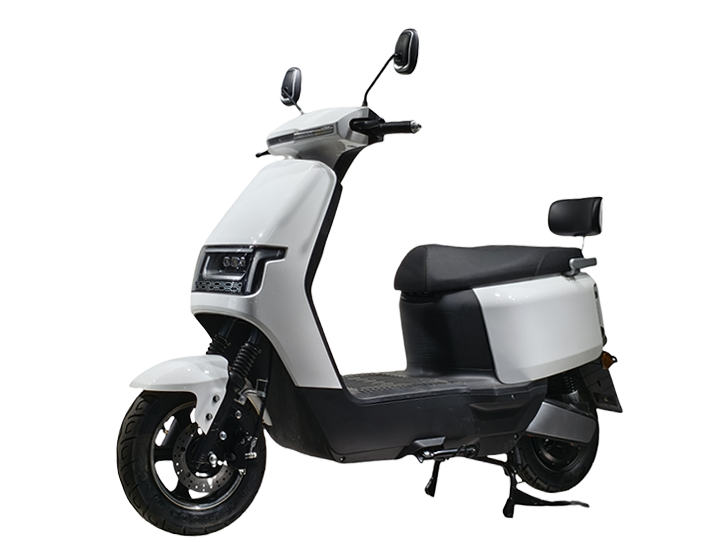
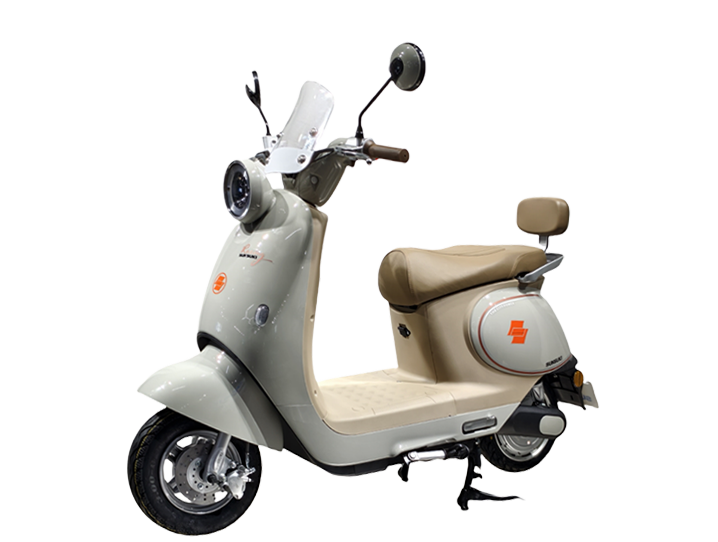
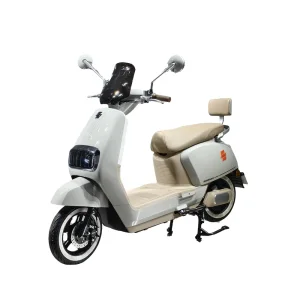
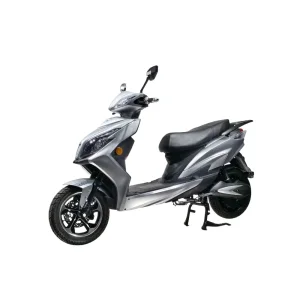
Explore our core engineering models, designed with patented chassis configurations, high-voltage battery modules, and certified components.
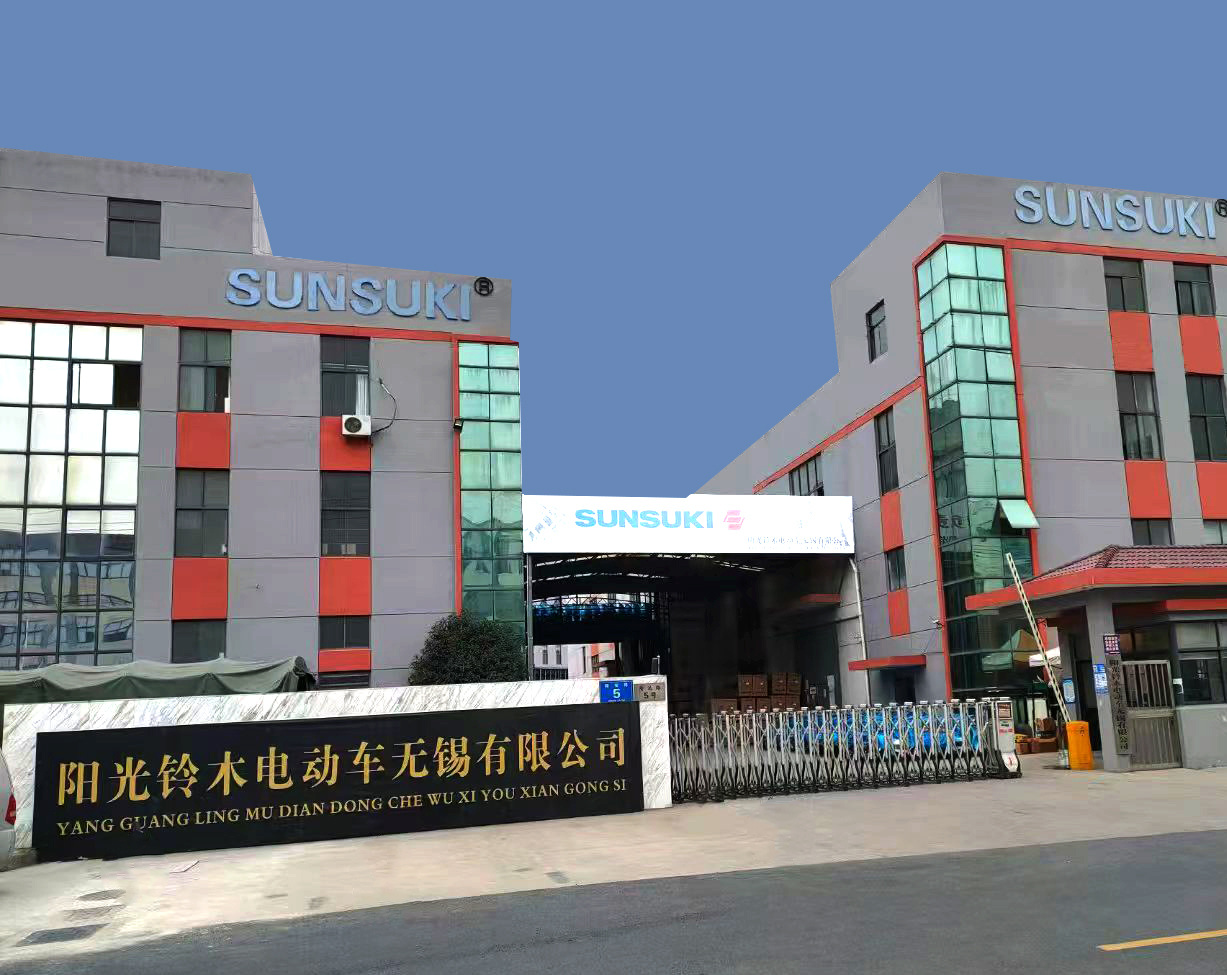
The manufacturing infrastructure of Wuxi Lingmo Network Technology Co., Ltd., situated in the Dacheng Industrial Park, Xishan District, Wuxi, places our production facilities at the center of the global electric two-wheeler supply chain. Wuxi is widely recognized as the "Electric Vehicle Capital of China," an industrial hub containing over 80% of the core supply chain elements required for high-grade electric mobility. This geographic clustering enables our partnership with Yangguang Lingmu Electrocar Wuxi Co., Ltd. to optimize component sourcing, manufacturing velocity, and strict quality control.
By leveraging this concentrated supply chain, we control costs and implement rapid design changes based on field feedback. For example, our retrofitting facilities can customize cargo racks, upgrade battery bays, and refine controller settings in days rather than weeks. This flexibility is supported by an experienced in-house innovation team that collaborates with national engineering institutions, translating academic breakthroughs in motor cooling and power conversion into field-ready products.
Heavy-duty e-motorcycles engineered specifically to match the duty-cycle demands of distinct global business workflows.
High-torque hub motors integrated with long-range lithium packs allow cargo fleets to operate multi-drop routes in congested urban zones. This approach cuts operating costs per kilometer by up to 60% compared to traditional fuel-powered scooters.
Optimized for urban commuters looking for reliable daily transport. Built on robust commuter frame geometries, these units combine efficiency, safety features, and smart acceleration profiles to simplify daily transit.
Merging classic chassis dynamics with the instant torque of modern electric powertrains. Designed for enthusiasts who appreciate retro-style aesthetics alongside zero-emission engineering.
Zero exhaust emissions allow operations inside large manufacturing plants and warehouses. These units assist maintenance crews, haul heavy equipment, and transport spare parts between assembly lines.
Designed with durable composite panels and telemetry trackers, these platforms integrate easily into sharing networks. They help municipalities scale green transit alternatives with minimal capital layout.
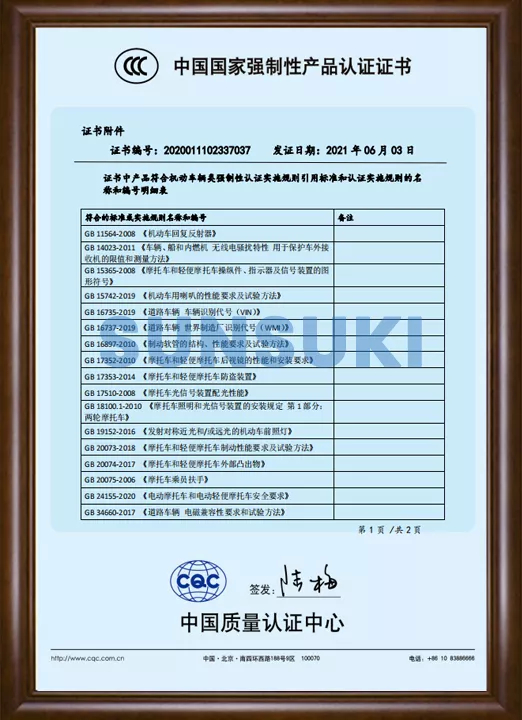
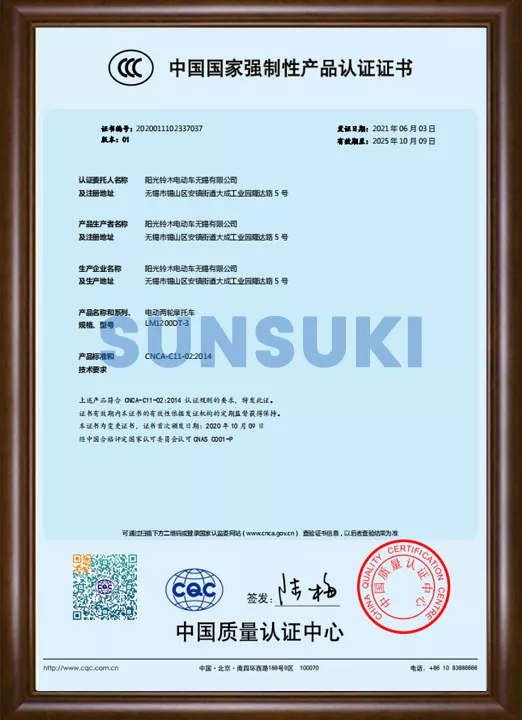
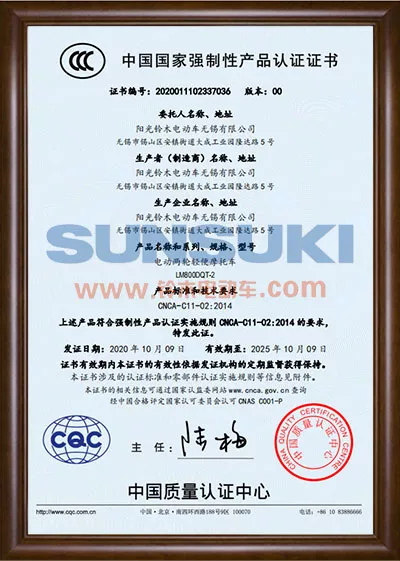
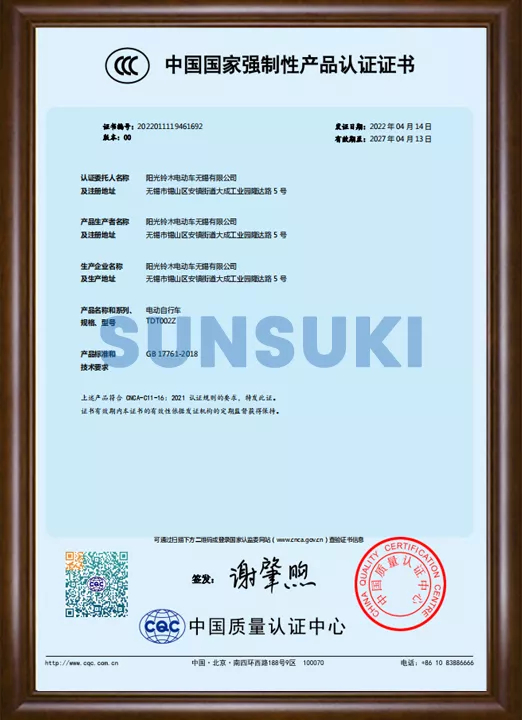
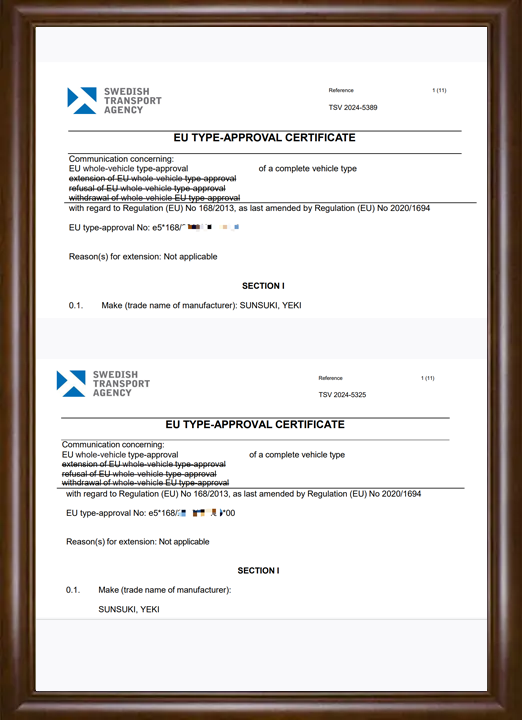
Navigating cross-border customs regulations and safety compliance is a major challenge for fleet procurement managers. Our manufacturing facilities maintain strict alignment with global standards, including ISO9001 Quality Management Systems, China Compulsory Certification (CCC), and European E-Mark (EEC) Certifications.
These credentials verify that every component, from the high-discharge lithium battery cells to the wiring harnesses, meets international safety benchmarks. EEC homologation is particularly critical for European operators, as it streamlines local registration and enables immediate integration into commercial fleets. In addition, our manufacturing processes include structural stress testing, dyno performance diagnostics, and water resistance trials, ensuring our electric motorcycles perform reliably in cold and wet environments.
Insights from our engineering department focused on fleet optimization, motor upkeep, and chemical battery safety protocols.
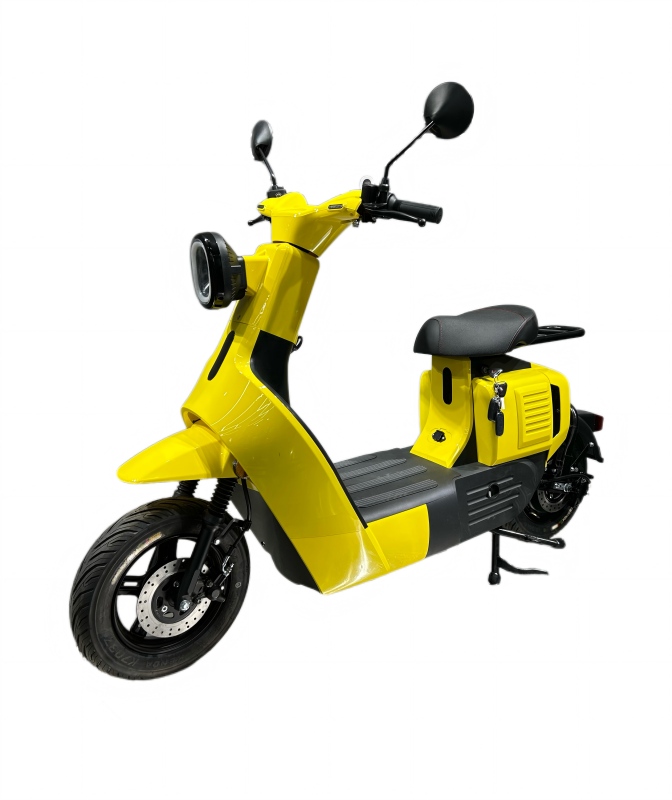
The electric motor is the core of your utility platform. Proper maintenance—focusing on water seals, bearing lubrication, and heat dissipation—keeps it running efficiently for years with minimal downtime.
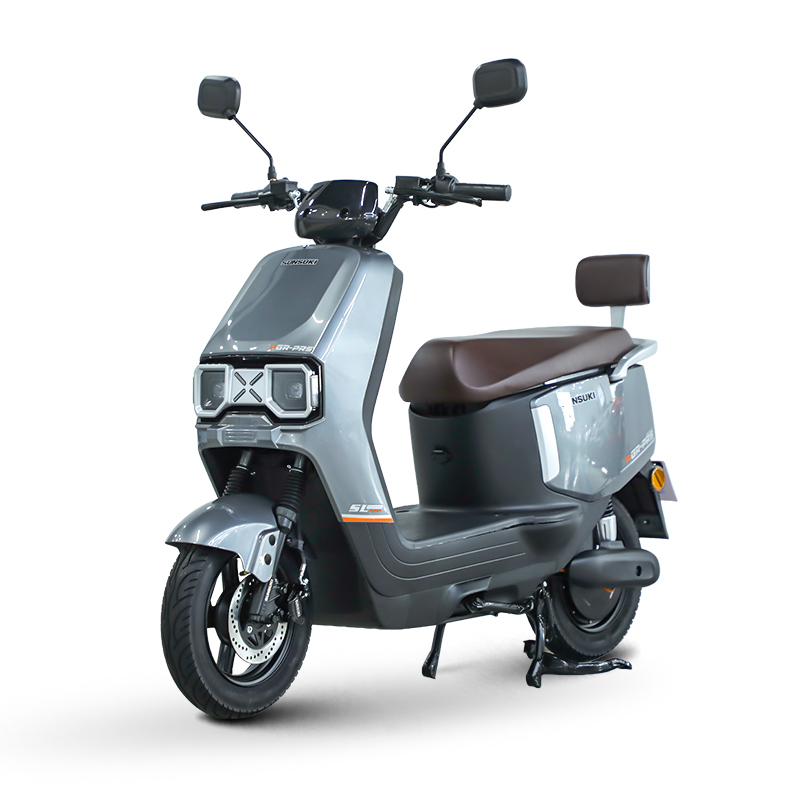
For fleet vehicles exposed to solar heat and rain daily, surface treatment choices are crucial. We compare polyurethane (PU) and ultraviolet (UV) paint systems for long-term chassis and panel protection.
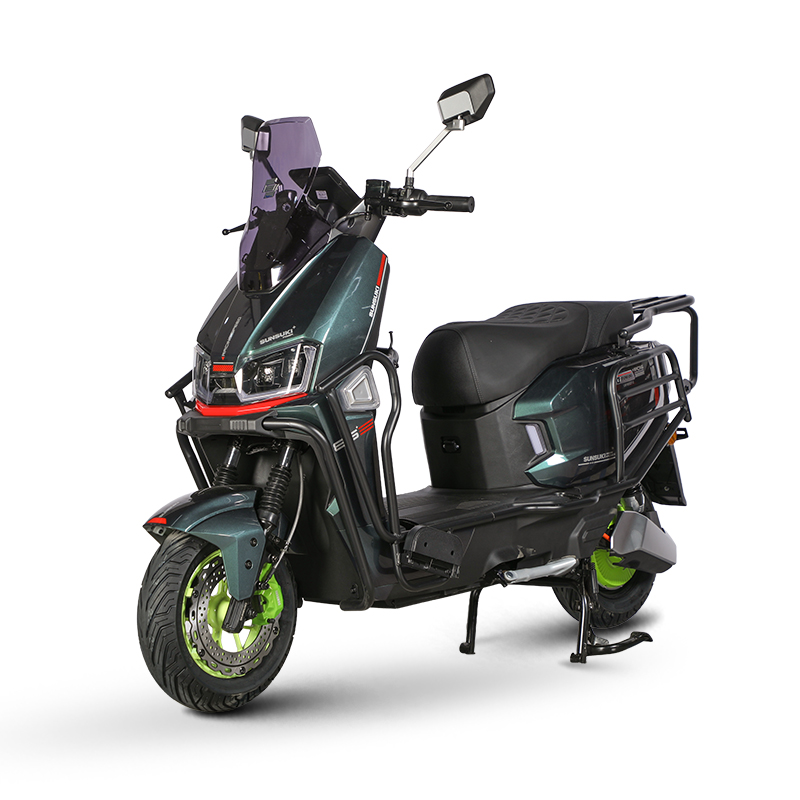
An in-depth look at how China's electric vehicle manufacturing sector has evolved beyond simple commuting to become a global hub for high-capacity industrial cargo platforms.
B2B technical specifications, battery lifespan, safety compliance, and shipping logistics from our engineering team.
Explore the technical parameters and direct supply pathways for our complete electric motorcycle catalog.
 Lingmo