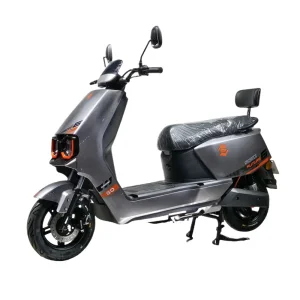
Cheap Battery Operated Two Wheeler Supplier & Companies

Global Industrial Whitepaper & Strategic Procurement Guide: Analyzing Supply Chain Capabilities, Wuxi Factory Efficiency, OEM Integration, and Global Market Competitiveness

Industrial Fleet Portfolio

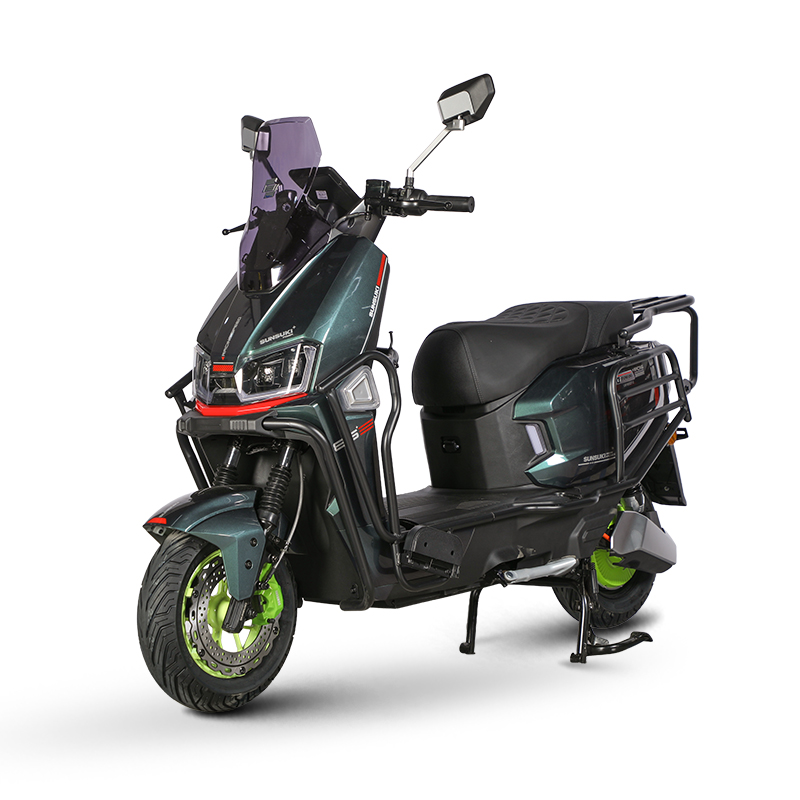
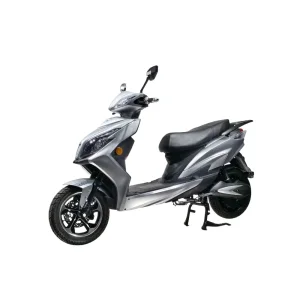
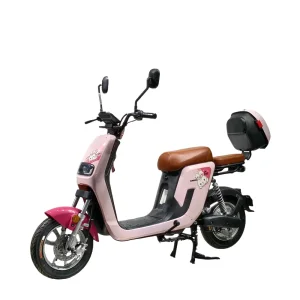
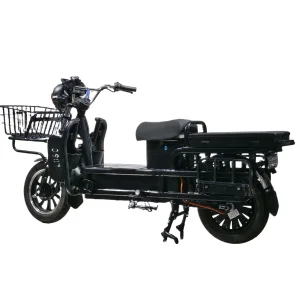
Featured Battery Operated Two Wheelers

Discover our primary lineup of electric motorcycles, smart city commuters, and heavy-duty electric mopeds certified for global markets.

Whitepaper Chapter 1

The Global Commercial & Industrial Transition to Light Electric Vehicles (LEVs)

The global urban transportation landscape is undergoing a monumental paradigm shift. As municipalities enforce stricter carbon limits and logistics networks look to optimize last-mile deliverable overheads, battery-operated two-wheelers have transitioned from micro-mobility novelties to indispensable commercial infrastructure assets. Fleet operators, delivery conglomerates, and urban planners are increasingly seeking reliable, cheap battery operated two wheeler suppliers to fulfill large-scale utility requirements.

From an industrial perspective, the total cost of ownership (TCO) of electric two-wheelers is far lower than internal combustion engine (ICE) equivalents. The thermal efficiency margins of modern permanent magnet synchronous motors (PMSM) and brush-less DC (BLDC) hub motors stand at over 90%, compared to the meager 20-30% efficiency of small-displacement gasoline scooters. This efficiency directly translates to thousands of dollars saved annually per vehicle in fuel and preventative maintenance costs, making commercial electric fleets the primary vehicle for sustainable urban growth.

Industrial Key Performance Indicators (KPIs)

  • 70%+ Reduction: Lower energy maintenance costs compared to internal combustion engines (ICE).
  • Optimal Duty Cycle: Rapid lithium-ion battery swapping or fast charging to maximize fleet uptime.
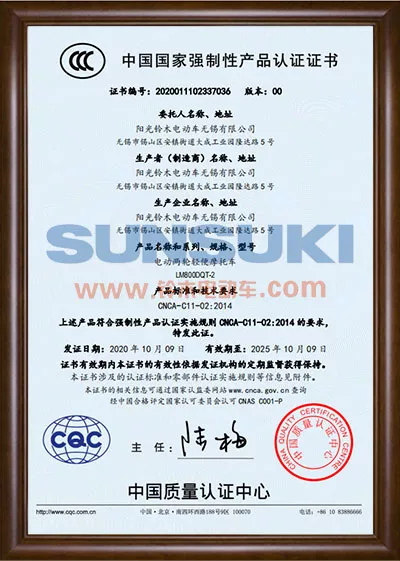
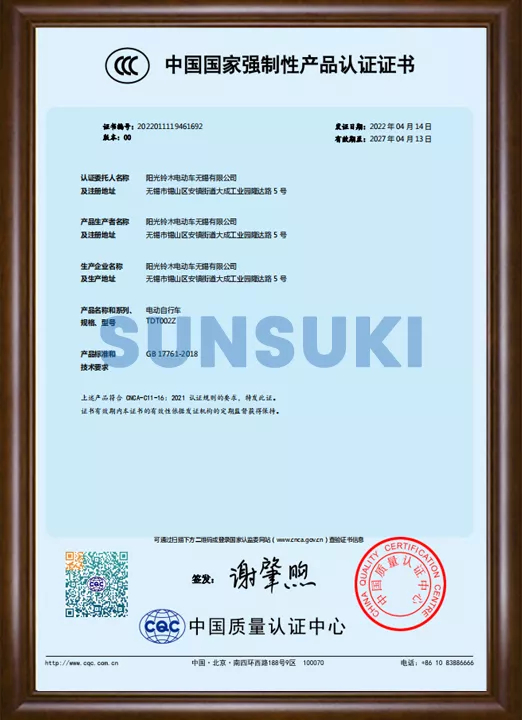
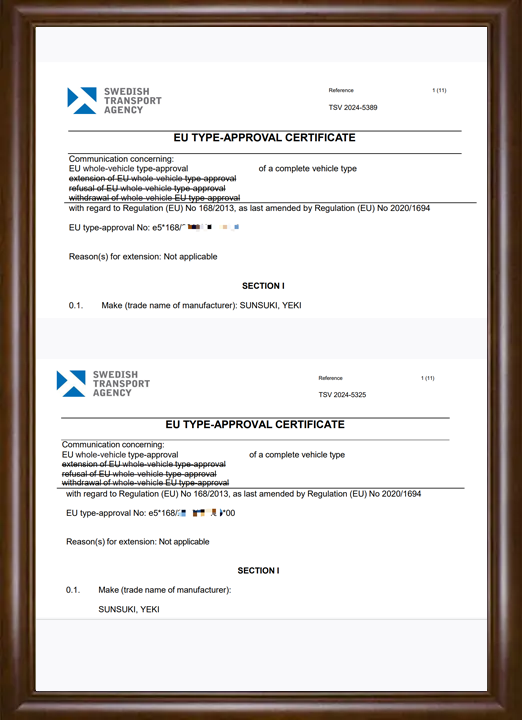
  • Regulatory Alignment: Fully compliant with EEC, CCC, and ISO9001 frameworks for frictionless import.
SUNSUKI Production & Global Reach

Wuxi Lingmo Network Technology by the Numbers

Our collaborative enterprise model, integrating Yangguang Lingmu Electrocar Wuxi Co., Ltd., translates raw manufacturing power into global market penetration.

3
Global Service Centers
3
Dedicated Manufacturing Plants
80+
Countries & Regions Served
1
Global Innovation Team
Whitepaper Chapter 2

Wuxi's Production Clusters: Redefining Electric Two-Wheeler Supply Chains

Wuxi, Jiangsu Province, is globally recognized as the "Electric Vehicle Capital of China." Nestled within the Dacheng Industrial Park in Wuxi's Xishan District, our enterprise leveraging joint engineering and production resources stands as a model of contemporary supply chain mastery. Wuxi is not merely a geographic point; it is a hyper-integrated vertical manufacturing ecosystem that accounts for a massive share of the world's electric scooter and motorcycle output.

This geographic consolidation generates profound strategic advantages for volume procurement:

  • BOM (Bill of Materials) Optimization: Every critical subsystem—including high-coercivity magnetic steel motors (e.g., 27H class), electronic speed controllers, heavy-duty alloy chassis frames, and advanced battery management systems (BMS)—is engineered and sourced within a 15-kilometer radius. This eliminates internal logistical overheads and minimizes production lead times.
  • Scale-Driven Manufacturing Reductions: By sourcing raw components in massive volumes, Wuxi factories can lower unit costs to levels that individual, decentralized producers cannot match. B2B buyers seeking "cheap" battery-operated two-wheelers are actually benefiting from high efficiency and industrial scale rather than compromised quality.
  • Integrated Quality Assurance Regimes: With direct proximity to advanced material testing laboratories, Wuxi Lingmo ensures that certifications like the European e-mark (EEC), China Compulsory Certification (CCC), and ISO9001 are designed into the product architectures from day one.
Technology Deep-Dive

Engineering Benchmarks & Model Architecture

A detailed look at the core electric platforms manufactured in Wuxi, tailored for diverse urban and commuter markets.

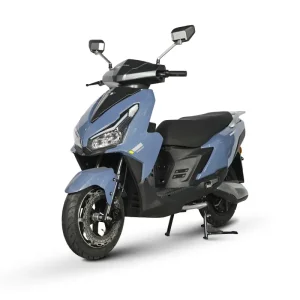
Smart Performance

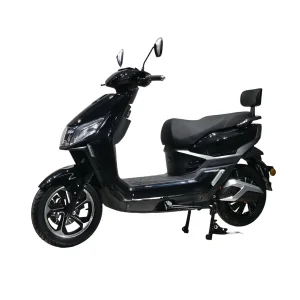
VRS Smart Commuter

Equipped with a comprehensive GPS dashboard, interactive multimedia interface, and automated diagnostics for tech-focused commuters.

Motor Rating:3000W
Battery Capacity:72V 40Ah Lithium
Top Velocity:85 km/h
Operational Range:60-80 km
Heavy Commuting

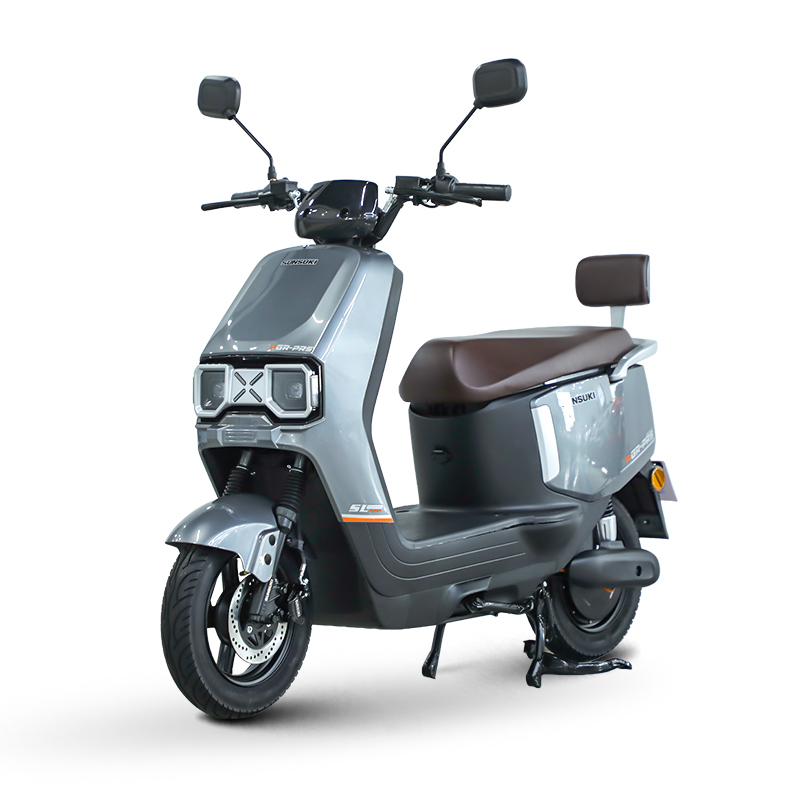
SUNSUKI TZ Platform

Designed with robust structural integrity, enhanced safety braking mechanics, and optimized suspension settings for intensive daily use.

Motor Rating:2000W
Battery System:72V / 30A Lithium
Top Velocity:70 km/h
Key Safety Specs:Dual Disc / Integrated ABS
High-Speed Urban

E11 Commuter

Redefines intra-city travel with a high-performance hub-motor system. Engineered specifically to clear EEC certification requirements.

Motor Rating:2000W Hub
Compliance:EEC Certificate Ready
Top Velocity:80 km/h
Suspension type:Hydraulic Damping
Classic Aesthetics

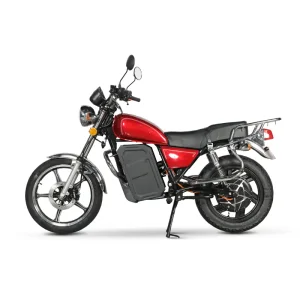
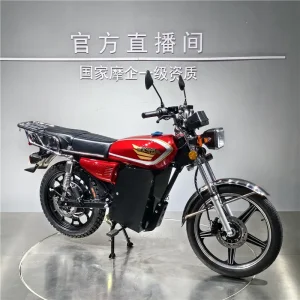
SUNSUKI CG Retro

A heritage motorcycle exterior layout blended with high-output modern electric drivetrains, catering to retro-styling enthusiasts.

Motor Rating:2000W High Power
Battery Voltage:72V System
Top Velocity:70 km/h
Chassis Design:Reinforced Steel Cradle
Micro Commuting

Q60 Smart Platform

Compact design optimized for agile urban maneuvers, featuring specialized 27H magnetic steel and overtaking power assistance.

Motor Tech:27H Magnetic Steel
Control Modes:3-Speed Smart Overtaking
Brake Setup:Front Disc / Rear Drum
Certification:CE Certified
Eco Commute

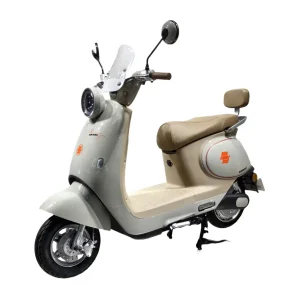
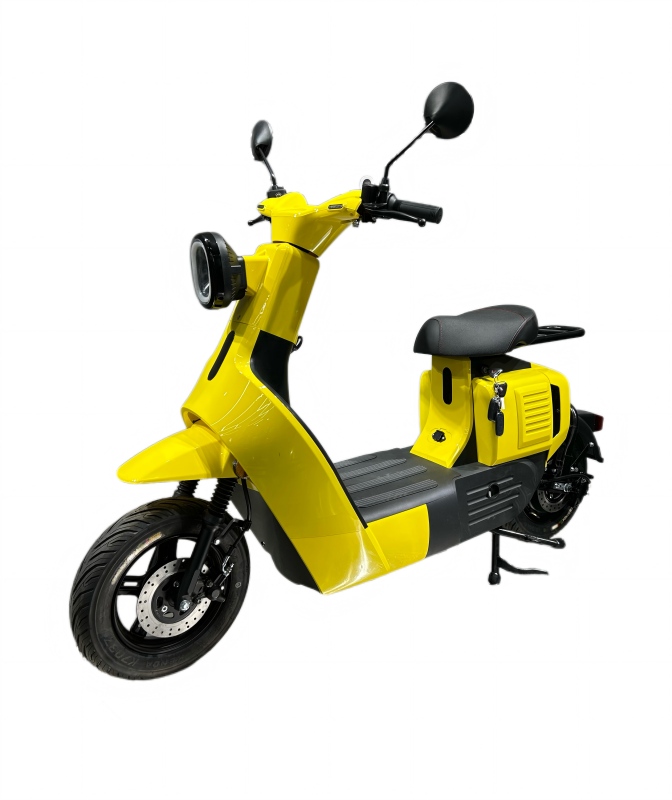
M2 Eco Scooter

An ultra-efficient urban runabout featuring a patented design body, targeting low-speed local transits and last-mile operations.

Motor Rating:400W
Battery Capacity:48V 20Ah Lead-Acid
Maximum Range:60 km Range
Body Frame:Factory Patented Design
Whitepaper Chapter 3

Local Application Scenarios & Commercial Utility

Modern battery operated two wheelers are not one-size-fits-all products; they must align with specialized regulatory, physical, and environmental demands across various commercial sectors:

City Logistics & Distribution

With last-mile urban delivery hubs surging globally, models like the HT Heavy-Duty Cargo Motorcycle (1200W, 72V) provide localized delivery fleets with robust payloads and long-lasting battery cycles.

Daily Commuter Integration

Daily public commute configurations demand reliable starting profiles and modular batteries. Models like the G18 and M2 series integrate seamlessly with train and bus station hubs.

Corporate Rental & Sharing

Shared micro-mobility platforms leverage specialized firmware control to maintain speeds, prevent unauthorized access, and integrate GPS tracking for remote fleet management.

For instance, in manufacturing facilities and smart factory campuses, battery-operated two-wheelers enable staff to cross vast assembly grounds quickly. The absence of tailpipe emissions makes these vehicles highly suited for enclosed environments, complying with occupational safety policies.

Whitepaper Chapter 4

International Quality Standards & OEM/ODM Feasibility

Sourcing light electric vehicles requires meticulous attention to compliance and build quality. Wuxi Lingmo Network Technology and manufacturing partner Yangguang Lingmu Electrocar address these needs by maintaining structural adherence to global safety protocols. Quality is institutionalized through multi-phase inspections, validating motor thermal efficiency, chassis stress loads, and battery management protection circuits.

Regulatory Compliance Metrics

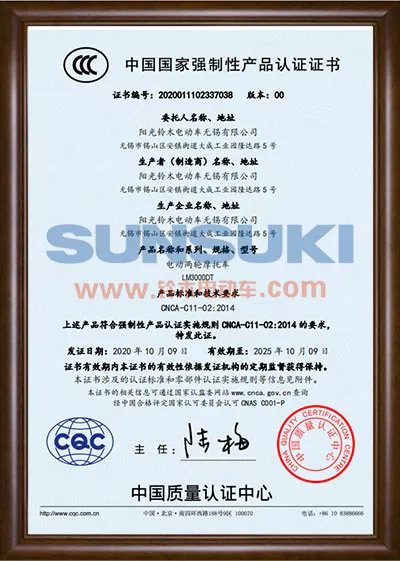
To clear customs in North America, Europe, and regional Asian trade blocks, importers must source from suppliers with active certifications. Our production processes align with European e-mark (EEC) standards, domestic China Compulsory Certifications (CCC), and ISO9001 quality system criteria. This prevents customs seizures, compliance audits, or consumer liability issues down the road.

OEM / ODM Engineering Flexibility

From customized battery configurations (Lithium Iron Phosphate for longevity, Nickel Manganese Cobalt for energy density) to branded digital display panels and custom controller firmware, our factory accommodates complex OEM project pipelines. This ensures that B2B clients can market models that are tailored to their target demographic's local legislation and riding style preferences.
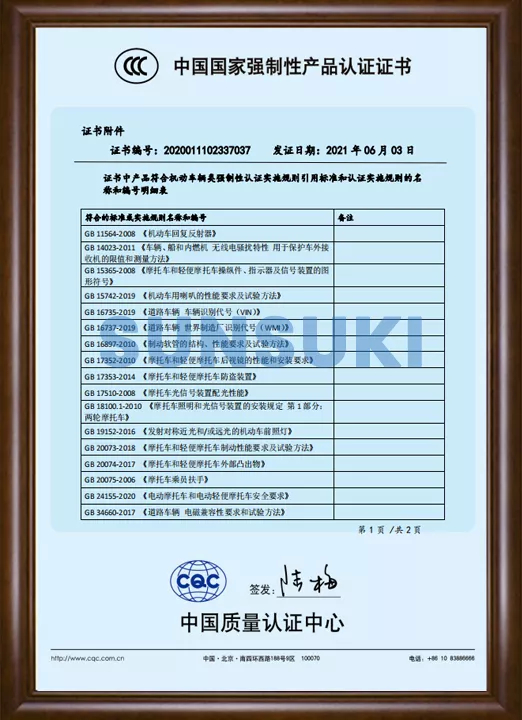
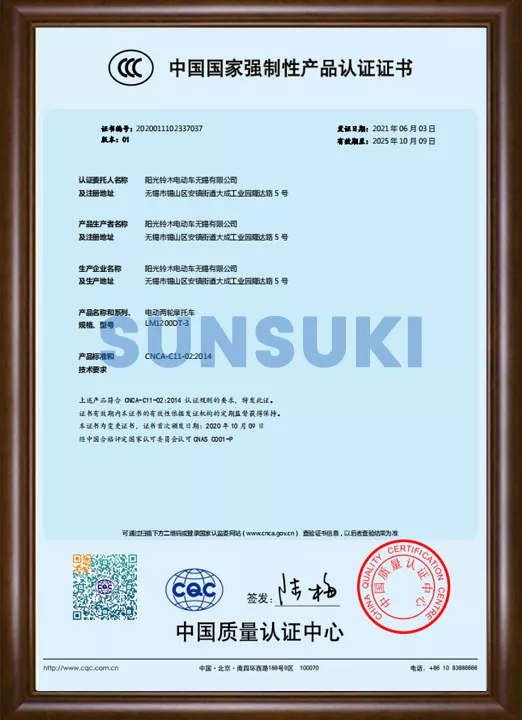
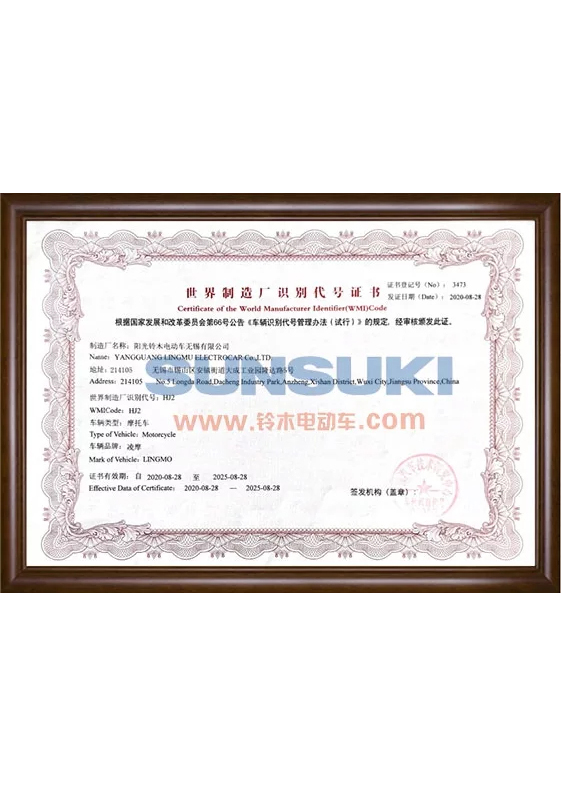
Verified Compliance & Global Certificates

EEC Certificate 1
EEC Certificate 2
Compliance Doc 1
Compliance Doc 2
Compliance Doc 3
Compliance Doc 4
Compliance Doc 5
Whitepaper Chapter 5

Technological Trajectories: 2025-2030 Commercial EV Trends

To secure a competitive advantage in global sourcing, B2B purchasing agents must align their procurement cycles with emerging technology trends. The next generation of battery-operated two-wheelers is defined by three primary design improvements:

  • Smart IoT Integration: Integration of telemetry control modules (MCU) directly connected to telecommunication networks. This enables fleet operators to perform over-the-air (OTA) updates, locate stolen inventory in real-time, monitor battery cell health, and track rider safety parameters.
  • Solid-State and Sodium-Ion Alternative Chemistries: While classic lithium-ion (Li-NMC/LFP) and low-cost lead-acid batteries dominate the current cheap supply options, sodium-ion technology is emerging as a cost-effective, cold-weather-resistant alternative. Our development teams actively monitor these advancements to provide forward-compatible platforms.
  • Unified Battery Swapping Interfaces: Standardized structural form-factors for battery bays are helping reduce operational downtime. Commuter systems in urban environments are moving away from traditional plug-in charging cables toward automated battery swap cabinets.
Strategic Procurement FAQ

Frequently Asked Questions

Key operational details for wholesale distributors, global logistics companies, and corporate purchasing officers.

What regulatory compliance certificates do your electric two-wheelers carry? +
Our manufacturing facility runs on ISO9001 management protocols. Depending on the model, our units carry EEC (European e-mark) certification and China Compulsory Certification (CCC). This ensures that importing entities in European countries, North America, and other global regions can clear customs without regulatory hurdles.
Can the speed controllers and motor output parameters be modified for local road regulations? +
Yes. We offer fully customizable software settings on the integrated speed controllers. Whether your municipal law restricts speed limits for mopeds to 25 km/h, 45 km/h, or allows high-speed operation up to 80+ km/h, we can adjust the digital settings during the factory assembly phase to match your local street compliance regulations.
What is the average lead time for wholesale factory direct orders? +
Our location in Wuxi's Dacheng Industrial Park grants us direct access to localized sub-suppliers. For standard bulk container orders, our lead time typically ranges between 30 to 45 days post-payment confirmation. For specialized OEM configurations requiring custom molds or unique electronic component testing, lead times are adjusted accordingly.
How do lead-acid battery options compare with lithium-ion options in your product lineup? +
Lead-acid systems (such as those featured in our patented M2 400W model) provide a reliable, low-cost entry point for B2B fleet logistics. However, our Lithium-ion configurations (as utilized in the VRS Smart Commuter and SUNSUKI TZ) deliver up to three times the lifecycle durability, a lower vehicle weight, faster charging times, and greater stability across temperature variations.
What support is provided for international warranty and spare parts procurement? +
We provide a dedicated percentage of core wear-and-tear replacement components (such as tires, brake pads, lights, and controllers) with every bulk container shipment. Additionally, our engineering support teams are available online to assist with diagnostics, firmware adjustments, and battery health checks.
Industry Knowledge Hub

Latest Technical Insights & Maintenance Guides

Practical advice and engineering breakdowns curated by our product development team.

Electric Motor Maintenance

How to Take Care of Your Electric Motorcycle Motor

The motor is the soul of your electric motorcycle. If you treat it right, it will run for years without issues. Our guide details maintenance steps for brushless hub motors...

PU vs UV Paint on EV plastic parts

PU Paint vs. UV Paint on EV Plastic Parts: A Simple Guide

EV plastic body panels are subjected to intense UV exposure. Understanding the differences between PU paint and UV-cured protective paint can save you maintenance costs...

Electric Motorcycles in China

Electric Motorcycles in China: More Than Just a Commute

Electric scooters in Wuxi represent a broader lifestyle and economic shift. Discover how these low-carbon transport fleets have transformed urban layout patterns in China...