Discover our certified collection of high-performance electric motorcycles and smart city scooters. Every model undergoes rigorous type-approval testing to ensure safety, efficiency, and legal integration into municipal transport infrastructure.
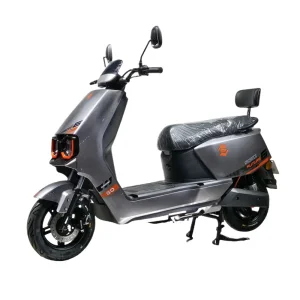
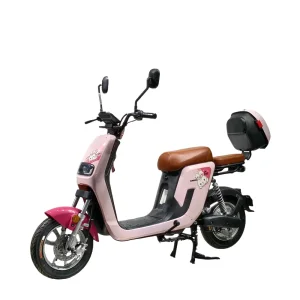
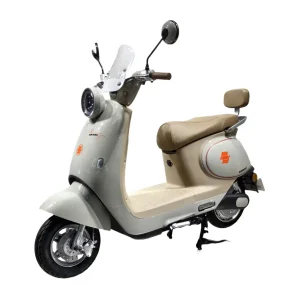
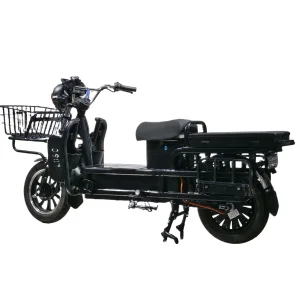
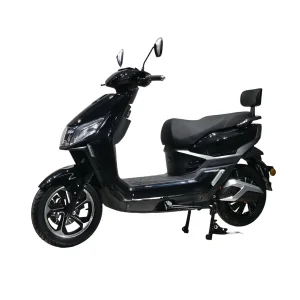
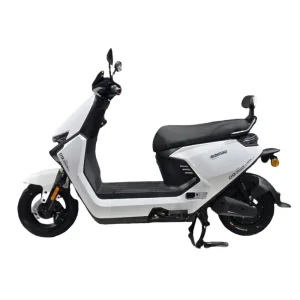
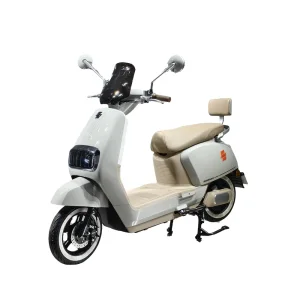
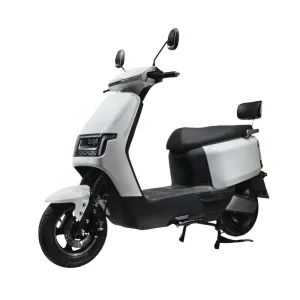
Within the modern urban transport landscape, light electric vehicles (LEVs)—such as electric motorbikes, scooters, and cargo mopeds—are serving as the foundation of sustainable smart-city ecosystems. However, entering high-barrier markets like the European Union requires stringent compliance. Specifically, Regulation (EU) No 168/2013 establishes the legal framework for the approval and market surveillance of two- or three-wheel vehicles and quadricycles (L-category vehicles).
CE Certification and EEC type-approval (marked by the Certificate of Conformity or CoC) are not optional compliance exercises; they are structural prerequisites designed to ensure that the electrical systems, chassis structural integrity, braking setups, and battery systems comply with rigid safety guidelines. For B2B importers, distributors, and logistics fleet managers, partnering with certified manufacturers guarantees customs passage, shields them from product liability claims, and unlocks local green-subsidy eligibility.
"Compliance with the EU's Type-Approval standards under Directive 168/2013 guarantees protection against high-risk imports, providing commercial fleet operators and logistics networks with peace of mind regarding structural safety and electrical compatibility."
Enterprise procurement of electric scooters and motorbikes differs significantly from retail purchasing. Corporations look at total cost of ownership (TCO), battery chemistry lifecycles (LFP vs. NMC), frame loading tolerances, and supply chain scalability. Global logistics providers and delivery networks demand robust components capable of continuous heavy-duty operations.
When engineering for global corporate distribution, manufacturers must provide configurable designs. For example, municipal delivery systems demand specialized cargo frames with integrated power distribution systems. Commuter sharing networks require modular components to reduce repair downtime. A certified manufacturing framework ensures that every unit delivered to the port complies strictly with pre-tested specifications, eliminating variation in fleet reliability.
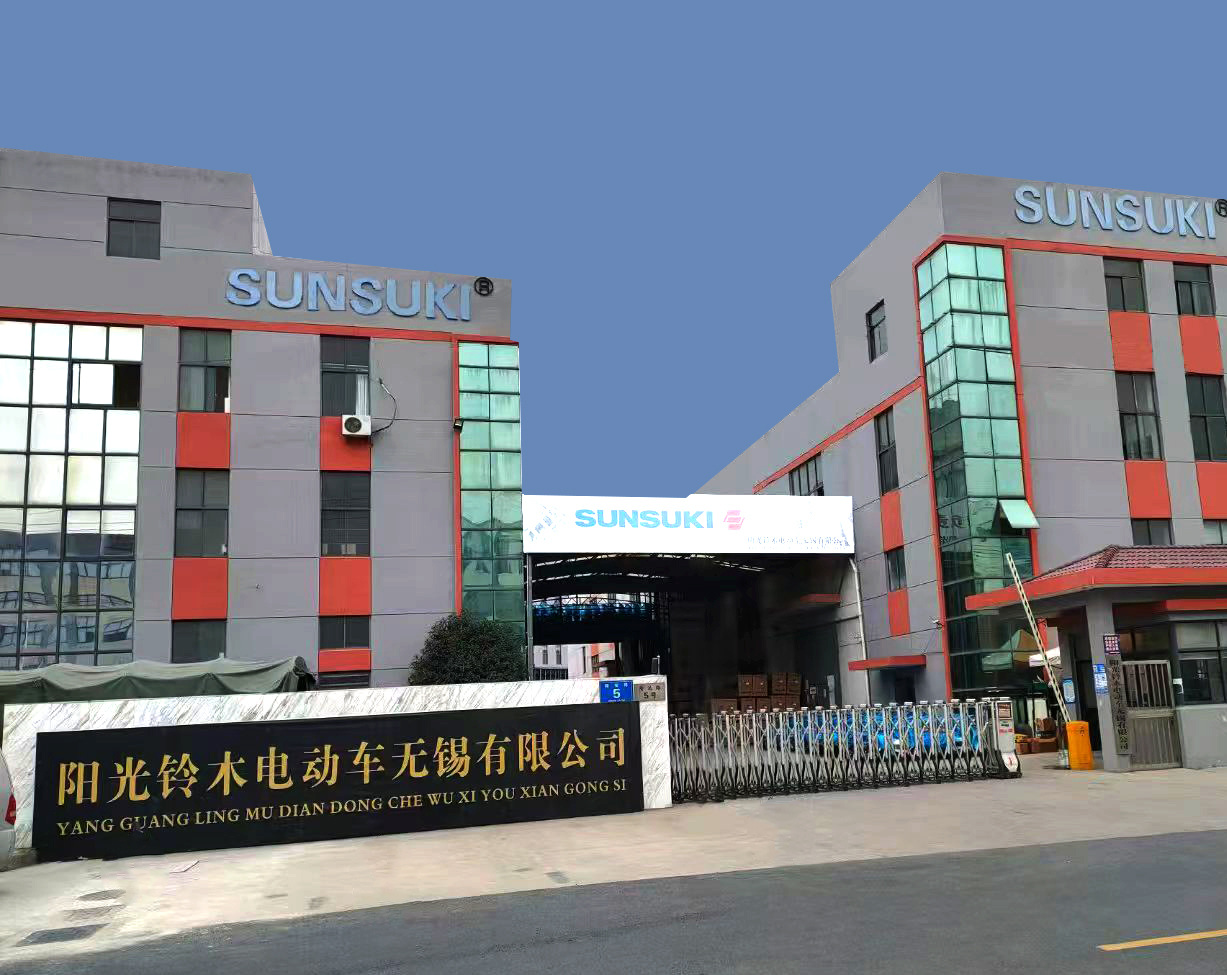
Strategically located in Wuxi, Jiangsu—widely recognized as the "Electric Vehicle Capital of China"—Wuxi Lingmo Network Technology Co., Ltd., in partnership with its specialized production division, Yangguang Lingmu Electrocar Wuxi Co., Ltd., leads the development of advanced B2B mobility solutions through the Sunsuki team.
Our operation benefits from Wuxi's integrated raw material, component, and battery supply chains, allowing us to implement advanced manufacturing processes at competitive costs. Our production lines maintain strict compliance with ISO9001:2015 Quality Management Systems, China Compulsory Certification (CCC), and European e-mark/EEC standards.
We leverage automated diagnostic testing, advanced robotic frame welding, and automated powder coating processes to ensure every vehicle meets strict safety requirements. With an integrated research and development team, we develop custom solutions for high-capacity applications, delivery fleets, and rental operators globally.
Our engineering practices focus on performance efficiency, safety protocols, and mechanical reliability. The following technical architecture highlights the specifications integrated across our model range:
Our motors utilize premium 27H grade magnetic steel to optimize thermal limits and maintain performance efficiency. Rated power options from 1200W up to 3000W deliver optimal torque profiles while preventing overheating during extended duty cycles.
Safety integration features dual disc brakes paired with Electronic Anti-lock Braking Systems (E-ABS). The system captures kinetic energy during deceleration and returns it to the battery pack, extending real-world driving ranges.
Smart Battery Management Systems monitor voltage levels, cell temperatures, and current distributions. Overcharge, over-discharge, short circuit, and thermal runaway mitigations are standard in our lithium and lead-acid configurations.
We evaluate surface treatment coatings to ensure weather protection. Polyurethane (PU) paint provides flexibility and scratch protection, while Ultraviolet (UV) cured coatings ensure color retention and chemical resistance on ABS plastic panels.
| Certification Type | Target Region | Applicable Standards & Directives | Required Fleet Testing Methods |
|---|---|---|---|
| EEC Type-Approval (CoC) | European Union | Regulation (EU) No 168/2013, L1e-L3e Categories | EMC testing, brake line evaluation, chassis load testing, emissions verification |
| CE Mark | European Economic Area | 2006/42/EC (Machinery), 2014/30/EU (EMC) | Electrical safety verification, insulation resistance, mechanical reliability trials |
| China Compulsory (CCC) | Domestic China | GB 17761-2018 (e-bike safety specifications) | Impact testing, flame retardancy testing, speed-limiting checks |
| ISO9001:2015 | Global Standards | Quality Management Systems | Continuous production audits, batch inspection tracking, component traceability |
Our development team designs and manufactures vehicles optimized for specific B2B transport applications:
Engineered for urban travel, these lightweight frames balance energy efficiency with performance, meeting local regulatory requirements.
Heavy-duty structures featuring reinforced frames, high-torque hub motors, and high-capacity battery options for delivery logistics.
Low-maintenance configurations with speed limiters configured to comply with EU L1e licenses, ideal for rental fleets.
Read technical insights from our engineering and maintenance teams regarding product performance, material choice, and lifecycle management:
The electric motor is the core of your vehicle. Protecting against moisture ingress, monitoring bearing wear, and verifying phase wire insulation are critical to extending service life. Discover our diagnostic schedules for fleet operations.
Comparing paint applications highlights trade-offs: Polyurethane (PU) paint offers high scratch and chemical resistance, whereas Ultraviolet (UV) paint cures rapidly and protects against fading. Selecting the correct finish depends on target environmental conditions.
Modern electric two-wheelers are evolving beyond simple transport. The integration of IoT connectivity, GPS tracking, and intelligent battery charging networks is changing how cities approach last-mile delivery and rider safety.
CE certification confirms a product conforms to safety, health, and environmental standards within the European Economic Area (EEA) under machinery and electromagnetic directives. EEC type-approval (Directive 168/2013) is a specific vehicle standard required for road registration. It generates the Certificate of Conformity (CoC), which is necessary to license and register the vehicle in EU member states.
Lithium-ion batteries are classified as Dangerous Goods Class 9 during transport. The UN38.3 standard certifies that battery cells and packs have successfully completed structural, thermal, vibration, impact, and short-circuit testing, ensuring safety during air and sea transport.
Yes. We offer customization, including high-capacity cargo racks, specialized battery enclosures, delivery box mounts, custom speed limiters, and custom graphic wraps. All modifications are reviewed by our engineering team to ensure they maintain compliance with EEC/CE type-approval standards.
Every motor undergoes dyno testing to verify power outputs, heat management, and efficiency profiles. We use 27H grade magnetic steel for temperature resistance, and test insulation under high-voltage scenarios to prevent circuit failures during operation.
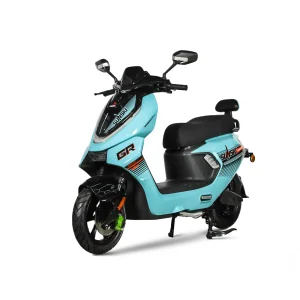
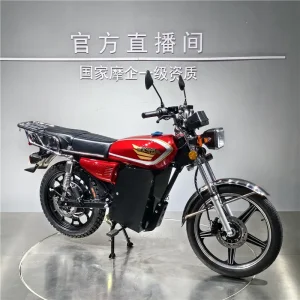
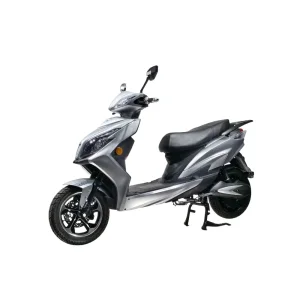
Explore these compliant electric vehicles, designed for B2B fleet deployment and distribution in highly regulated markets:
 Lingmo