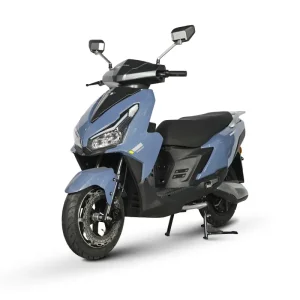
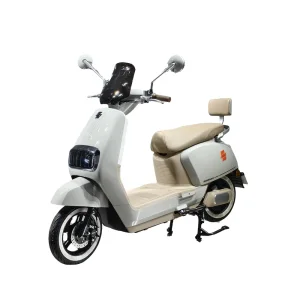
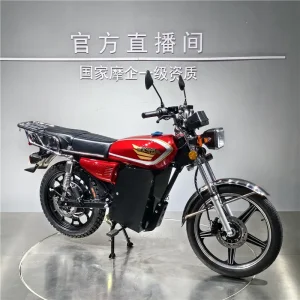
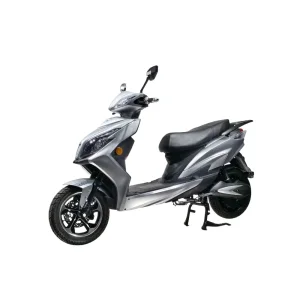
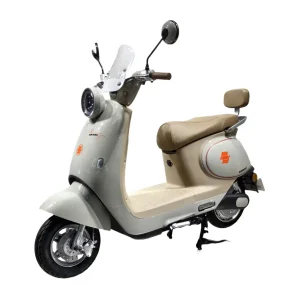
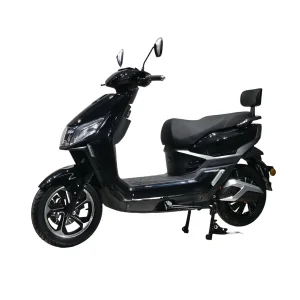
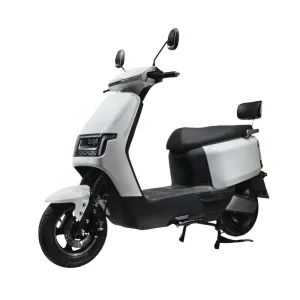
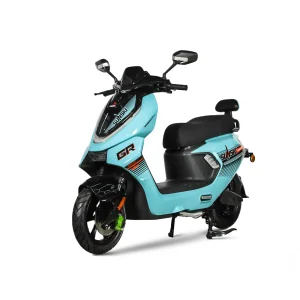
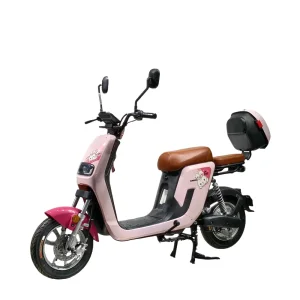
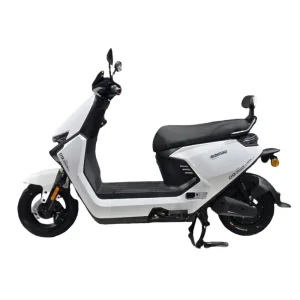
Direct from Wuxi Lingmo Network Technology — High-power, EEC/CE certified vehicles engineered for global distribution.
An expert analysis of regulatory definitions, performance architectures, and global compliance standards.
In the global micro-mobility market, the distinction between speed-restricted electric vehicles and derestricted electric scooters has become a crucial point of concern for logistics companies, sharing operators, and wholesale distributors. In jurisdictions like the European Union and North America, commuter e-scooters are legally speed-governed to between 20 km/h and 25 km/h (complying with EN 17128 standard formats). However, commercial logistics, closed-circuit industrial compounds, and private land operations demand high-performance profiles that exceed these thresholds.
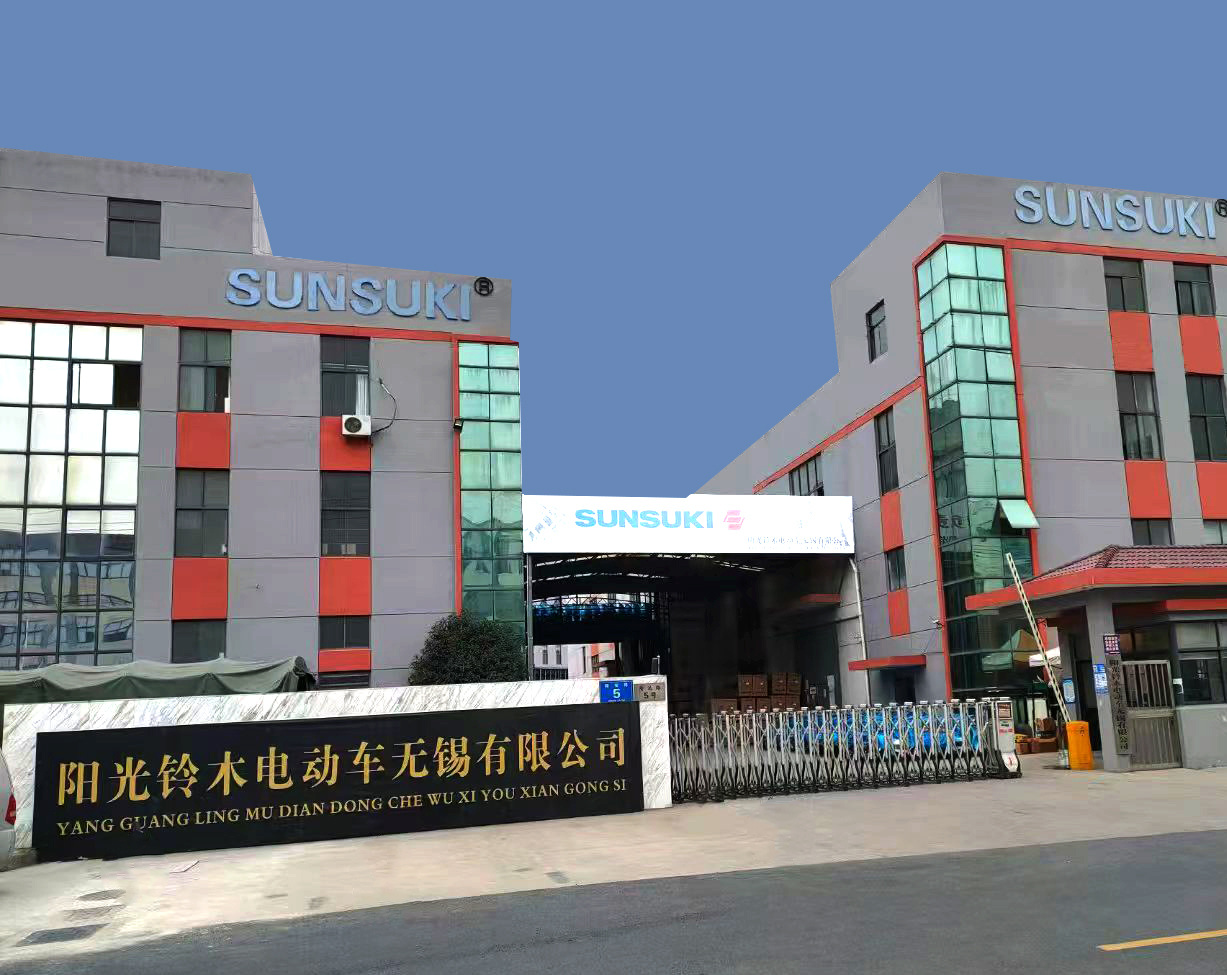
A "derestricted" electric scooter refers to a vehicle engineered to unlock the full potential of its powertrain — motor, battery pack, and motor controller — bypassing software limiters to reach design speeds of 45 km/h to over 80 km/h. Achieving this legally for export requires a deep understanding of manufacturing tolerances and certification pathways. In Wuxi, the historic epicenter of China's electric two-wheeler cluster, Wuxi Lingmo Network Technology Co., Ltd. (operating with its production framework partner, Yangguang Lingmu Electrocar Wuxi Co., Ltd. under the brand Sunsuki) specializes in manufacturing high-speed platforms with multi-mode configurations. These systems allow switchable speed parameters to meet both high-speed demands and road-legal compliance requirements.
For B2B importers, buying from factories that specialize in both CE Certification and EEC (European Economic Community) homologation ensures that the structural integrity of the frame, the thermal limits of the battery management system (BMS), and the braking mechanisms are fully engineered to handle high-speed stresses. This level of safety and reliability cannot be achieved through simple aftermarket software modifications of consumer-grade scooters.
Dual-mode controllers integrate factory-switchable speed systems (hardwired limiters, NFC interfaces, or digital dashboard settings) to ensure road compliance alongside off-road high-performance access.
Products hold certifications including the ISO9001 quality management system, China Compulsory Certification (CCC), and European e-mark (EEC) standards, ensuring smooth customs clearance globally.
Constructed with reinforced steel/aluminum alloys, dual hydraulic brakes with optional E-ABS, and heavy-duty 27H/35H magnetic steel motors for long-lasting, demanding commercial use.
Wuxi is the source of over 70% of the world's high-power electric two-wheelers. Here is how our factory network operates.
Located in the Dacheng Industrial Park in Wuxi's Xishan District — widely recognized as "the Electric Vehicle Capital of China" — our factory leverage a complete regional supply chain. This ecosystem allows us to source raw materials, execute high-end CNC fabrication, and test high-voltage powertrains with unmatched cost-efficiency.
By operating under a joint venture model, Wuxi Lingmo handles international design engineering and global export distribution, while Yangguang Lingmu manages three manufacturing facilities. This structural layout provides:
| Vehicle Model | Motor Power (W) | Certified Top Speed (Restricted) | Derestricted Speed Capability | Battery Configuration | Road-Legal Certifications |
|---|---|---|---|---|---|
| Model M2 | 400W (Hub Motor) | 25 km/h | N/A (Urban Commute Focus) | 48V 20Ah Lead-Acid / Lithium | CCC, CE (Patent Design) |
| Model TY | 1200W (Brushless) | 45 km/h | Up to 55 km/h | 60V / 72V Lithium Options | EEC (e-mark), CE |
| Model G18 | 1800W (High-Torque) | 45 km/h | Up to 60 km/h | 72V 20Ah / 30Ah Pack | EEC, CE |
| Model E11 | 2000W (Radial Hub) | 45 km/h | Up to 80 km/h | 72V 40Ah Lithium | EEC, CE |
| Model VRS | 3000W (Smart Hub) | 45 km/h | Up to 85 km/h | 72V 40Ah Lithium (Dual Pack) | EEC, CE (GPS Integrated) |
How global enterprises deploy high-power derestricted electric two-wheelers across key economic sectors.
For high-volume urban delivery providers, standard speed-limited scooters fail to meet strict turnaround deadlines. Utilizing derestricted 1200W-2000W electric scooters with swappable batteries increases daily delivery loops by up to 35% compared to 25km/h restricted mopeds.
In regions with sparse public transit infrastructure, commuter motorcycles (like the retro-styled CG or high-speed E11) serve as primary transit systems. These vehicles offer range capabilities of up to 80 km at speeds that match local traffic flow (60-80 km/h).
Rental and sharing operators leverage IoT-integrated models like the VRS. These models feature real-time GPS tracking and customizable speed limits. This allows operators to adapt vehicle speeds remotely to meet varying regional regulations.
Critical structural factors that professional buyers must analyze during factory inspections.
High-speed, high-drain operations generate significant heat within battery cells. Importers must choose between Lithium Iron Phosphate (LiFePO4) for long cycle life (2000+ charges) and Ternary Lithium (NMC) for maximum energy density in compact spaces. Wuxi Lingmo integrates smart BMS hardware that monitors cell temperatures, voltage imbalances, and over-current protection parameters to prevent thermal runaway.
The difference between a low-quality motor and a premium unit lies in the magnet grade. Using 35H grade magnetic steel instead of the standard 27H ensures the motor maintains high torque output under heavy loads without demagnetizing. Our high-power platforms, such as the VRS and SUNSUKI CG, utilize high-temperature-resistant copper wire windings to prevent motor damage at top speeds.
High-speed stability depends on the motor controller's efficiency. Modern Field-Oriented Control (FOC) sine-wave controllers provide smoother acceleration profiles, reduced acoustic noise, and higher energy conversion efficiency. These units also enable regenerative braking systems (E-ABS), which feed energy back into the battery during braking to extend range by up to 10%.
What the next 3-5 years hold for high-performance electric scooter engineering.
Modern fleets require continuous diagnostics. Emerging standards integrate CAN-bus telematics, OTA (Over-the-Air) system tuning, and cellular-connected tracking modules directly into the vehicle's electrical system.
Standard lead-acid options are phasing out due to high weight profiles. Next-generation architectures use high-rate ternary lithium or solid-state cells that charge up to 80% capacity in under 45 minutes.
Increasing EU environmental regulations demand high component recyclability rates. Leading factories prioritize modular frame designs that simplify disassembly, sorting, and material recovery.
Answers to common questions regarding CE compliance, speed restriction bypasses, and shipping from China.
Explore our certified high-performance models designed to meet strict commercial standard requirements.
 Lingmo