Top 10 Pure EV Mopeds for Global Buyers

Time:2026-09-26 Author:Sophia
0%

Choosing a Pure Ev Moped for everyday travel means looking beyond its advertised range. A compact electric moped may suit short urban trips, while longer commutes demand careful attention to battery capacity and charging access. The best choice depends on where you ride, how far you travel, and whether you can charge at home or work.

This guide introduces ten options for global buyers, using practical comparison points rather than one-size-fits-all claims. We consider usable range, charging time, motor performance, carrying capacity, comfort, and the availability of parts or service. A quoted range is only a guide; hills, colder weather, passenger weight, and frequent stops can change real-world results. Small details matter. Think of parking space, a heavy battery, or the reach of the nearest repair shop.

“Moped” can describe different vehicle classes across markets, so check local product specifications and requirements before buying. Availability, warranty coverage, and charging standards may also differ by country. Not always. A low purchase price may not mean lower ownership costs if support is limited. This list is a starting point, not a universal verdict. Compare the models against your daily route, budget, and local conditions, then confirm important details with the manufacturer or an authorized dealer.
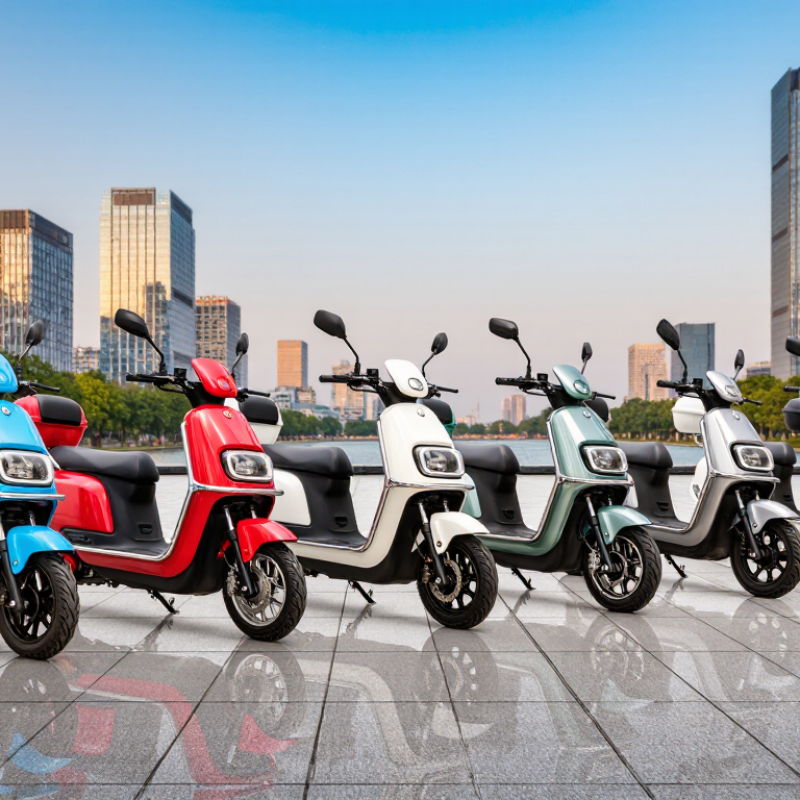
Top 10 Pure EV Mopeds for Global Buyers

What Defines a Pure Electric Moped for Global Buyers

What Defines a Pure Electric Moped for Global Buyers

A pure electric moped uses only battery power for propulsion. It has no petrol engine, exhaust pipe, fuel tank, or combustion cycle. This distinction matters. The motor should drive the wheel through stored electrical energy, while charging comes from an external power source. Some models include pedals, but pedals alone do not define the category.

Global buyers should examine speed, motor output, battery capacity, and vehicle weight together. A larger battery may improve range, yet it can make parking and lifting difficult. A practical test includes hills, headwinds, stop-and-go traffic, and a rider carrying groceries. Range is not everything. Charging time matters in apartment living, especially without a private socket. Removable batteries can help, but their handles, weight, and heat management deserve careful inspection.

Classification rules vary widely between countries and cities. Speed limits, helmet requirements, road access, lighting, insurance, and registration may differ. Buyers should verify local approval before ordering across borders. Technical documents should clearly state battery chemistry, charger ratings, water resistance, braking performance, and service support. A basic splash rating is not proof of safe riding in heavy rain. My own checklist is not perfect, because weather and rider habits change every result. Still, transparent specifications and independent testing offer stronger evidence than attractive range claims.

Key Specifications and Performance Factors to Compare

Top 10 Pure EV Mopeds for Global Buyers

Key Specifications and Performance Factors to Compare

Comparing the top ten pure electric mopeds requires more than reading advertised range. Battery capacity, measured in kilowatt-hours, shows usable energy more clearly. Motor power affects hill climbing, passenger loads, and acceleration. A 2–4 kW motor may suit city streets, while steeper routes demand stronger output. Claimed range often reflects ideal conditions. Cold weather, hills, heavy cargo, and frequent stops can reduce it sharply.

Check battery chemistry, charging time, and replacement support. A removable battery helps apartment residents and riders without private parking. Examine charging protection, waterproofing, and thermal management. Braking matters just as much. Hydraulic or combined braking systems can offer better control, especially on wet roads. Also compare tire width, suspension travel, seat height, payload, lighting, and storage space. Small details become important after several months of daily use.

Tips:

Test the moped with your usual load. Ride a route containing hills, traffic lights, and rough pavement. Record the battery percentage before and after. Numbers can mislead. Check the warranty, service network, spare-part access, and battery replacement cost in your country. A lower purchase price may become expensive when support is distant. I also recommend checking real owner reports, but treat them carefully. Rider weight and climate vary widely. Even professional comparisons have limits; one test cannot represent every road or season.

Top 10 Pure EV Mopeds and Their Main Differences

Top 10 Pure EV Mopeds for Global Buyers

The ten pure EV mopeds differ more than their similar frames suggest. All use battery power only, but their riding purposes vary widely. Some are light city models with narrow tires, simple displays, and removable batteries. Others use stronger motors, wider seats, and larger storage compartments for longer daily travel.

Range is not the only difference. Battery capacity, charging time, motor output, braking systems, suspension, and weather protection affect real ownership. A compact urban moped may travel easily through crowded streets but feel unstable on rough roads. A heavier model can feel safer at speed, yet it may be harder to move upstairs. Some batteries charge indoors, while fixed packs may offer better security and cleaner design. Performance figures also need caution. Cold weather, hills, rider weight, and tire pressure can reduce practical range.

Tips: Check local moped rules before buying. Speed limits and license requirements differ by country. Ask for tested range, not only laboratory figures. Measure your parking space and charging distance. Look for hydraulic or mechanical disc brakes, bright lighting, and readily available replacement parts. A removable battery sounds convenient, but it can be heavy. I once underestimated this detail; carrying one up stairs quickly changed my preference. Test the riding position, too. A stylish seat may become uncomfortable after thirty minutes.

Safety, Charging, Maintenance, and Ownership Considerations

Top 10 Pure EV Mopeds for Global Buyers

Choosing among the top 10 pure EV mopeds requires more than comparing range figures. Safety begins with strong brakes, bright lighting, stable tires, and a comfortable riding position. A low center of gravity helps during slow turns and sudden stops. Check the frame quality, suspension movement, and visibility from the rider’s seat. A short test ride often reveals problems that specifications hide.

Charging habits strongly affect ownership. Use the supplied charger on a dry, ventilated surface, away from heat and moisture. Do not charge a damaged battery or leave it unattended overnight. Home charging is convenient, but apartment users should confirm socket access before buying. Battery range also falls in cold weather, with hills, heavy loads, and frequent acceleration. Maintenance is usually simple, yet brakes, tire pressure, lights, and cables still need regular inspection. Electric does not mean maintenance-free.

Tips: Store the battery partly charged during long periods of inactivity. Keep tires properly inflated. Learn the warning indicators before your first trip. Check local registration, helmet, and road-use requirements. Carrying a basic tire pump can prevent a disappointing journey. Real ownership is not perfectly predictable. Even careful riders may misjudge charging time or winter range. Track your weekly distance for one month, then choose a battery size based on evidence rather than optimism.

How to Choose the Right Electric Moped for Your Market

Top 10 Pure EV Mopeds for Global Buyers

How to Choose the Right Electric Moped for Your Market

Choosing an electric moped starts with local use, not catalog rankings. The IEA’s Global EV Outlook 2024 identifies electric two- and three-wheelers as the largest electrified road segment by vehicle stock in several Asian markets. That matters for dense cities, short commutes, and delivery work. It does not guarantee success everywhere.

Measure the daily route carefully. A 60-kilometre rated range may fall near 40 kilometres with hills, heavy loads, cold weather, or frequent stops. Battery-swapping can improve uptime, but only where compatible stations already operate. Otherwise, a removable battery and a safe household charging point may be more practical. The World Bank’s Global Electrification Database shows that electricity access varies widely across emerging markets, so charging assumptions need local verification.

Check speed limits, certification rules, lighting requirements, and battery transport standards before importing. The Global EV Outlook also shows that purchase incentives and two-wheeler policies strongly influence adoption. Compare total ownership cost, not only the showroom price. Include battery replacement, tires, insurance, servicing, and electricity tariffs. A larger battery feels safer, yet it adds weight and cost. I would not promise one perfect model for every country. Even experienced buyers sometimes overestimate range and underestimate repair access. Test the vehicle on real roads, with real cargo, before committing to volume orders.

Top 10 Pure EV Mopeds for Global Buyers - How to Choose the Right Electric Moped for Your Market

An anonymized comparison of commercially realistic electric-moped configurations, ranked by range of use cases, operating practicality, regulatory flexibility, and market suitability.

Rank Reference Moped Profile Typical Legal Class Motor Output Battery Configuration Real-World Range Top Speed Charging Time Payload Capacity Best-Fit Market Primary Use Case Key Buying Advantage
1 Urban Long-Range Moped L1e-B / 45 km/h class 3–4 kW nominal Removable lithium-ion battery, 3.5–5.0 kWh 90–140 km 45–50 km/h 4–8 hours 150–180 kg Dense cities and suburban commuter markets Daily commuting, school and local errands Strong balance between usable range, speed and operating cost
2 Dual-Battery Delivery Moped L1e-B / local moped class 3–5 kW nominal Two removable lithium-ion batteries, 4.0–6.0 kWh combined 100–160 km 45–55 km/h 5–9 hours 180–220 kg Food delivery and last-mile logistics markets High-mileage commercial operation Longer duty cycles with battery swapping or off-board charging
3 Compact City Moped L1e-B or equivalent national class 2–3 kW nominal Removable lithium-ion battery, 1.8–3.0 kWh 50–85 km 40–45 km/h 3–6 hours 130–160 kg Congested metropolitan areas Short urban trips and shared mobility Low purchase price, easy parking and simple charging
4 All-Weather Utility Moped 45 km/h moped class 3–4 kW nominal Sealed lithium-ion battery, 3.0–4.5 kWh 75–120 km 45 km/h 5–8 hours 150–190 kg Rainy, cool and mixed-weather markets Year-round personal transport Weather protection, corrosion resistance and practical storage
5 Cargo-Ready Commercial Moped L1e-B / commercial moped class 4–6 kW nominal High-capacity lithium-ion battery, 4.0–6.5 kWh 80–130 km 45–60 km/h 5–10 hours 200–280 kg Retail, service and urban logistics fleets Parcel delivery and equipment transport High payload rating and reinforced chassis
6 Swappable-Battery Fleet Moped National moped or motorcycle-derived class 3–5 kW nominal Two or more removable batteries, 2.5–5.0 kWh total 70–130 km per charge 45–55 km/h Battery exchange: 1–5 minutes 150–210 kg Fleet markets with established service networks Taxi, rental and delivery fleets Minimal downtime and predictable fleet utilization
7 Lightweight Commuter Moped L1e-B / restricted moped class 1.5–2.5 kW nominal Removable lithium-ion battery, 1.5–2.5 kWh 45–75 km 35–45 km/h 3–6 hours 120–150 kg Entry-level and price-sensitive markets Short-distance commuting Lower vehicle mass, tire cost and energy consumption
8 Performance Urban Moped Higher-speed moped or motorcycle class 5–8 kW nominal Fixed or removable lithium-ion battery, 4.0–7.0 kWh 80–130 km 60–80 km/h 5–10 hours 160–210 kg Markets permitting motorcycle-style registration Longer urban commutes and faster arterial roads Higher acceleration and better traffic-flow capability
9 Rural and Hilly-Terrain Moped Moped or light motorcycle class 4–7 kW nominal High-torque drive system with 3.5–6.0 kWh battery 65–110 km 45–65 km/h 5–9 hours 160–210 kg Hilly, rural and poorly surfaced road networks Mixed-surface commuting and utility travel Stronger grade performance, ground clearance and braking
10 Premium Connected Moped L1e-B or national equivalent 3–6 kW nominal Integrated lithium-ion battery, 3.0–5.5 kWh 80–140 km 45–60 km/h 4–9 hours 150–190 kg Connected urban markets with premium buyers Personal mobility and technology-focused commuting Navigation, remote diagnostics, theft alerts and fleet connectivity
Technical note: The specifications shown are realistic market benchmarks compiled from commonly available pure-electric moped configurations. Actual range depends on rider weight, speed, temperature, gradients, wind, tire pressure and payload. Buyers should verify local requirements for registration, driving licenses, helmet use, insurance, lighting, charging plugs, battery certification and maximum permitted speed before selecting a configuration.

FAQS

What makes a moped purely electric?

It uses battery power only. There is no petrol engine, fuel tank, exhaust pipe, or combustion cycle. External electricity recharges the battery. Pedals may exist, but they do not define the category.

Which specifications should global buyers compare?

Check motor power, battery capacity, speed, weight, payload, and braking performance. A 2–4 kW motor may suit ordinary city streets. Steep hills and heavy loads require more output. Bigger batteries add range, but also weight.

Can advertised range be trusted?

Treat it as an estimate. Hills, cold air, headwinds, cargo, and frequent stops reduce range. Test your usual route with groceries onboard. Record the battery percentage before and after. Numbers can mislead.

Is a removable battery useful for apartment living?

Often, yes. You can carry it upstairs and charge it near a normal socket. Inspect the handle, weight, heat control, and charging protection. A removable battery still needs a dry, ventilated charging place.

How long does charging usually matter?

Charging time matters more when parking lacks a private socket. Confirm socket access before buying. Use the supplied charger on a dry surface. Do not charge a damaged battery or leave it unattended overnight.

What safety features deserve close attention?

Strong brakes, bright lights, stable tires, and a comfortable riding position matter greatly. A low center of gravity helps during slow turns. Check suspension movement and visibility from the seat. A short test ride helps.

What maintenance does an electric moped need?

Electric does not mean maintenance-free. Inspect tire pressure, brakes, lights, cables, and warning indicators regularly. Keep tires inflated. Carry a small pump. It may save a difficult walk home.

What local rules should buyers verify?

Rules may cover speed, helmets, lighting, registration, insurance, and road access. Requirements differ between cities and countries. Verify approval before cross-border ordering. My checklist is not perfect, because weather and rider habits change results.

How should buyers judge long-term ownership costs?

Check warranty terms, service locations, spare-part access, and battery replacement costs. A lower purchase price may become expensive when support is distant. Track your weekly distance for one month. Choose from evidence, not optimism.

Conclusion

A Pure Ev Moped is designed for practical urban travel, combining a compact two-wheel format with a fully electric powertrain and low operating complexity. This guide explains what global buyers should look for, including motor output, battery capacity, real-world range, charging time, top speed, load capacity, comfort, weather resistance, and overall build quality. It compares ten Pure EV Moped options by highlighting their main differences in performance, portability, utility, technology, and value rather than focusing only on headline specifications.

The article also covers essential ownership factors such as braking systems, lighting, rider protection, battery care, charging access, service requirements, warranty expectations, and long-term maintenance. Because regulations, road conditions, climate, and infrastructure vary between markets, choosing the right model requires balancing daily distance, terrain, storage needs, passenger use, charging availability, and local compliance. The goal is to help buyers make a practical, safe, and informed decision for reliable electric mobility.


Sophia

Sophia

Sophia is a dedicated marketing professional with an exceptional depth of knowledge about her company's products and services. With a keen understanding of market trends and customer needs, she crafts insightful blog posts that not only inform but also engage readers, enriching the company’s online......