A Swift Electric Moped can make a crowded commute feel lighter: less time searching for parking, and more room for a helmet, groceries, or a rain jacket. Yet “swift” should mean more than a lively launch. Buyers also need predictable braking, useful range, comfortable handling, and dependable service after purchase.
“Real-world usefulness matters more than a headline speed figure,” says Dr. Lena Chen, an electric-mobility product specialist. That is a practical test. A moped that feels quick on a short showroom ride may behave differently on steep streets, rough pavement, or a cold morning. Check battery capacity, charging time, tire size, lighting, and stated rider-load limits. Then ask who handles repairs and whether replacement parts are available where you live.
Small details count. A removable battery can be easier to charge indoors. A clear display helps in bright sunlight. A solid center stand matters when the moped is parked on uneven ground. But published range figures are not promises; rider weight, hills, temperature, and stop-and-go traffic can change them. This guide compares ten options for global buyers, while recognizing that prices, specifications, and after-sales support vary by market. Some listings also leave questions unanswered. That is worth noticing.
Use the rankings as a shortlist, not a substitute for checking local specifications and dealer support. The best choice may not be the fastest. It should fit your route, charging access, and daily routine without demanding guesswork.
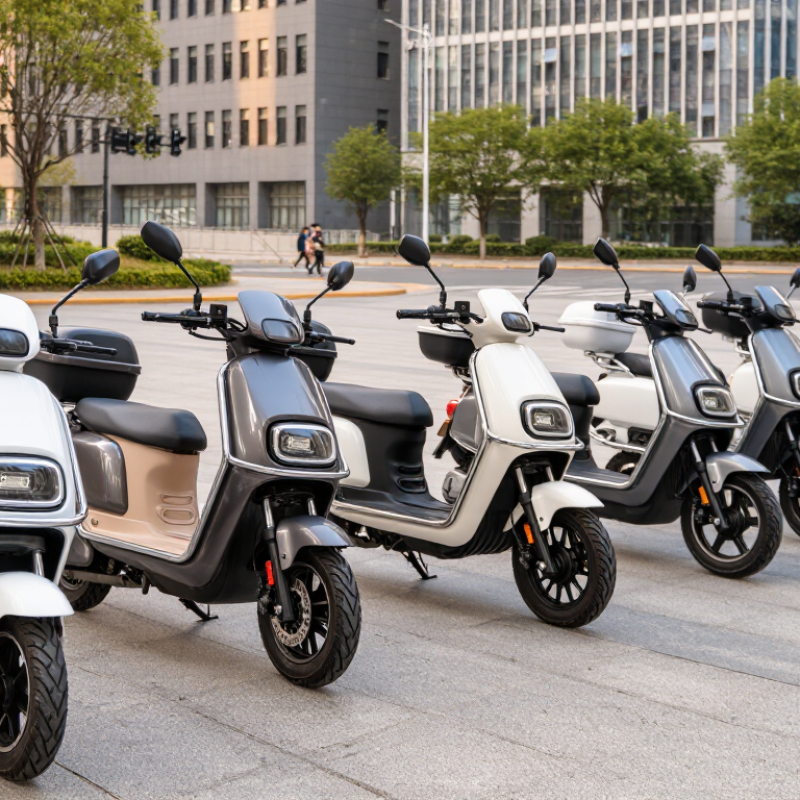
A swift electric moped is not simply one with a high top speed. For global buyers, useful speed means responsive acceleration, steady power on inclines, and predictable handling with a rider and everyday cargo. A short test ride can reveal more than a specification sheet. Notice how smoothly it pulls away at a junction and whether braking feels controlled on rough pavement. Small details count.
Tips: Check the usable battery range, not just the advertised figure. Cold weather, hills, tire pressure, and heavier loads can reduce distance. Confirm that the charger suits your region and that replacement parts are realistically available.
A well-matched moped should fit the rider’s daily route, storage options, and local road conditions. Compact wheels may feel nimble on smooth streets but less settled over broken surfaces. Seat height and handlebar reach matter on longer trips. I would not judge “swift” by speed alone; comfort and dependable power often make a bigger difference after weeks of use. Some ratings still leave questions, so compare test conditions and ask how performance changes as the battery drains.
When comparing electric mopeds, treat speed as a match for your routes, not a contest. A model’s claimed maximum may matter less than steady performance on hills or with a rider and small load. Check whether acceleration feels manageable in traffic, and whether the brakes respond smoothly during a controlled test. Numbers can mislead.
Range needs similar scrutiny. Published figures may come from mild weather, flat roads, and light loads. Real commutes include stops, slopes, wind, and cold mornings, all of which can reduce distance per charge. Compare the stated range with your usual round trip, then leave a practical reserve. A buffer helps. Battery capacity alone does not tell you how far you will travel; riding conditions and charging habits matter too.
Safety checks should be specific. Look for effective front and rear braking, bright lights, clear turn signals, reflective details, and tires suited to wet pavement. Check that the frame feels stable and that controls are easy to reach while seated. Ask for clear information about battery protection, maintenance, and replacement parts. I may be giving safety more weight than speed, but a fast ride is less useful if visibility or braking feels uncertain. Test the actual vehicle when possible, and reassess after your first few rides.
Comparing ten swift electric mopeds means looking beyond headline speed. Battery capacity, rider weight, hills, and temperature can all affect real-world range. A useful performance comparison records the route and riding conditions, not just the maker’s stated figures. Small differences matter.
Some designs favor a low step-through frame and a broad seat for easy city errands. Others use narrower bodywork, firmer suspension, or larger wheels that may feel steadier on uneven streets. Check handlebar reach, foot placement, and display readability in person; a neat silhouette does not guarantee a comfortable ride. Storage also varies. A helmet may fit beneath one seat but not another.
For global buyers, charging access and replacement-part availability deserve the same attention as acceleration. Compare braking feel, lighting, tire size, and battery removal before choosing. These details are easy to overlook. Published range figures are not directly comparable when test methods differ, and a short showroom ride cannot reveal long-term comfort. That limitation is worth admitting. A careful shortlist should pair verified specifications with a practical test ride, then weigh performance against the design that best suits everyday routes.
For global buyers comparing the top ten swift electric mopeds, regional rules can matter more than advertised speed. IEA’s Global EV Outlook 2024 estimates electric two- and three-wheeler sales reached about 14 million in 2023, reflecting a large, varied market. Yet a vehicle accepted in one country may need different approval, equipment, or registration elsewhere. Check the local transport authority’s current requirements for vehicle classification, power, speed, helmets, insurance, and road access before paying a deposit. Details matter. A seller’s assurance is not a substitute for written local guidance.
Charging also depends on the home, not just the moped. Check the battery’s removable weight, charger input, connector, and charging time against your actual setup. A ground-floor outlet is convenient; a shared garage socket may require permission and safe cable routing. Ask about battery warranty, replacement availability, and service intervals, then estimate range using your daily route, hills, passenger load, and colder weather. Published range figures may not reflect stop-and-go commuting. That gap deserves honest scrutiny.
Tips: Photograph the charger label and confirm voltage compatibility with a qualified electrician. Keep a simple weekly record of distance, charging time, and energy use; real results may surprise you.
Choosing among swift electric mopeds starts with the ride, not the headline speed. For a short city commute, check the distance between home, work, and regular errands. Add a margin for cold weather, hills, passenger weight, and battery aging; advertised range may not match every route. A modest battery could suit riders with a reliable outlet at work. Small details matter.
For hilly streets or frequent stop-and-go traffic, compare motor output, braking feel, tire grip, and suspension—not speed alone. Ask how the moped handles your usual load, and test it on a slope if possible. A firm seat can feel tiring after twenty minutes, even when the specifications look excellent. That part is easy to overlook.
Global buyers should check service access, replacement battery availability, charging compatibility, and local vehicle classifications before paying. These checks are less exciting than acceleration, but they shape daily ownership. If storage is limited, measure the parking space and lifting points; a lightweight model still needs a safe overnight spot. No perfect match. Longer range can mean more weight, while compact frames may feel less settled on rough pavement. Record your typical week, not an ideal one, and compare each moped against those trips.
Responsive acceleration, steady hill climbing, and predictable handling matter more than top speed alone. Small details count.
Compare it with your usual round trip, then leave a reserve. Cold weather, hills, wind, and heavier loads can reduce distance. A buffer helps.
Notice how the moped pulls away, brakes, and handles rough pavement. Check comfort and control, too.
Check front and rear brakes, bright lights, clear signals, reflective details, and tires suited to wet roads. Test them when possible.
Ask about test conditions, including route, weather, and load. Figures may not be directly comparable. Numbers can mislead.
Seat height, handlebar reach, foot placement, and suspension all matter. A short ride may not reveal everything.
Yes. Check whether your helmet fits beneath the seat and whether the moped suits your daily errands.
Confirm the charger suits your region and replacement parts are realistically available. I might weigh convenience too heavily, but it matters after a few weeks.
Choosing a Swift Electric Moped for international use means balancing speed, riding range, safety, comfort, and practical design. A thoughtful comparison looks beyond top speed to consider braking, lighting, stability, battery capacity, charging time, and how well each model suits everyday routes. The ten options in this overview can be assessed by their performance and features, helping riders understand the trade-offs between compact convenience, longer-distance capability, and a more comfortable ride.
Before making a purchase, buyers should also check local requirements, charging access, maintenance needs, and expected ownership costs, since these can vary by location. The best choice depends on how and where the moped will be used: short urban trips may favor a lightweight, easy-to-store design, while longer commutes call for useful range, dependable handling, and convenient charging. Matching these priorities makes it easier to select a moped that fits both daily needs and local conditions.

Lingmo
