How to Source Motorbikes and Scooters for Your Business

Time:2026-09-06 Author:Oliver
0%

Sourcing Motorbikes And Scooters is not simply a search for low prices. It is a decision about reliability, customer fit, delivery risk, and long-term operating costs. A glossy catalogue can hide weak brakes, limited parts support, or batteries that perform poorly in cold weather. That assumption can fail.

The International Energy Agency’s Global EV Outlook 2024 identifies electric two- and three-wheelers as the largest road-transport electric vehicle segment by sales volume. Its findings highlight strong demand in Asia, where dense cities, short journeys, and lower running costs shape purchasing decisions. ACEM’s European motorcycle registration data also shows that demand varies sharply between countries and vehicle categories. Therefore, one supplier rarely fits every market. Product specifications, certification records, warranty terms, spare-parts access, and delivery consistency must be checked together. Small details matter. A damaged crate matters.

Erik Pritchard, president and chief executive of the Motorcycle Industry Council, has described motorcycling as “an efficient, affordable, and environmentally friendly form of transportation.” That perspective is useful, but it should not replace practical verification. Businesses must compare real-world range, service intervals, dealer training, and customer feedback against supplier promises. This guide explains how to build that process, from defining your target riders to screening factories and negotiating purchase terms. It also examines sourcing mistakes that appear inexpensive at first. Some are not. Market data can guide a decision, but it cannot inspect a scooter arriving with loose panels or incomplete documentation. Experience still has a stubborn role.
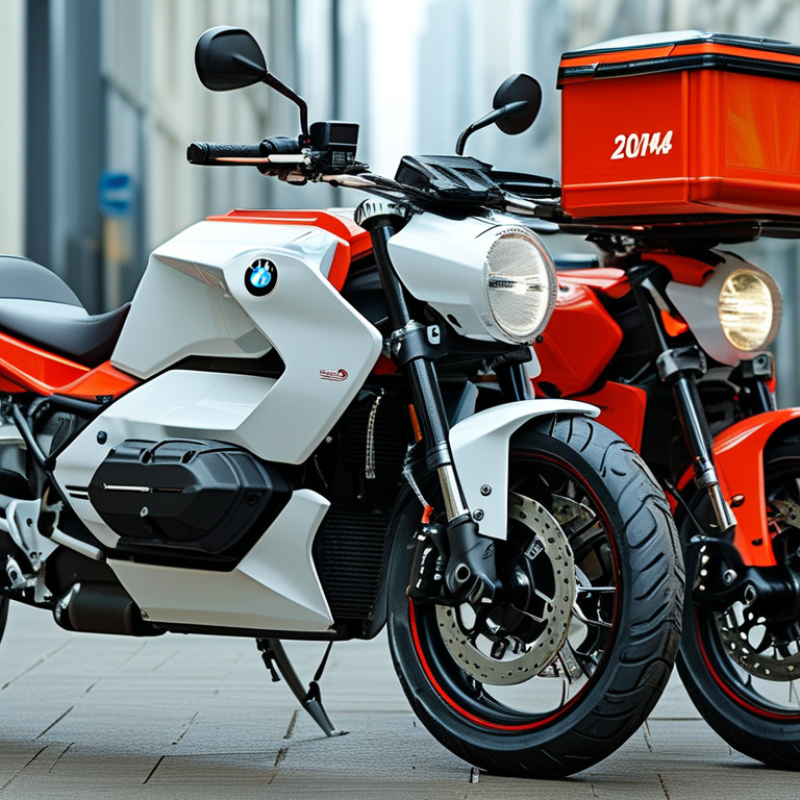
How to Source Motorbikes and Scooters for Your Business

Define Your Business Needs and Motorbike Product Requirements

Before sourcing, define the job each motorbike or scooter must perform. A delivery fleet needs payload capacity, stable handling, weather protection, and easy maintenance. A commuter model may need range, storage, comfort, and low running costs. Record daily distance, road surface, parking conditions, rider weight, and expected downtime. Small details matter.

Battery requirements deserve careful measurement. The International Energy Agency’s Global EV Outlook 2024 reports that electric two- and three-wheelers remain the most electrified road-transport segment, with electric models exceeding half of sales in China. That figure should not determine your purchase alone. Ask for usable battery capacity, charging time, cycle-life testing, thermal protection, and performance after repeated hill climbs. Claimed range is often measured under ideal conditions. Real work is messier.

Safety must become a written specification, not a brochure promise. The World Health Organization’s Global Status Report on Road Safety 2023 estimates 1.19 million annual road deaths worldwide. Specify braking performance, lighting, visibility, tyre suitability, suspension travel, and rider protection equipment. Request test records, spare-parts availability, warranty terms, and service response times. Inspect one sample physically. Check welds, cable routing, fasteners, and battery access. A spreadsheet can still lie. I would also leave room for revision, because early fleet data may expose requirements that looked unnecessary during planning.

Research Suppliers, Manufacturers, and Wholesale Market Options

Sourcing motorbikes and scooters begins with a clear business profile. Define your target riders, price range, engine type, and expected order volume. Research several suppliers before requesting quotations. Compare production capacity, export experience, warranty terms, and replacement parts support. A low unit price can hide expensive service problems.

Manufacturers may offer better customization and pricing for larger orders. However, they often require higher minimum quantities and longer production schedules. Ask for factory photos, inspection records, technical specifications, and sample units. Check frame quality, braking performance, battery protection, lighting, and packaging. Test every sample on different surfaces. Paperwork alone is not enough.

Wholesale markets can suit smaller businesses or seasonal demand. They provide faster access to mixed models and flexible quantities. Yet product histories may be less transparent. Verify the seller’s business registration, storage conditions, and product traceability. Confirm that each vehicle meets the safety and import requirements of your destination market. Keep written records of quotes, inspections, and agreed specifications.

My first supplier shortlist was too narrow. I focused heavily on price and missed delivery reliability. That mistake taught me to score suppliers with the same checklist. I still leave room for uncertainty, especially with new factories. A small trial order is safer than a rushed container. Speak with previous commercial buyers when possible. Their experience may reveal delays that polished sales materials never mention.

Compare Models, Prices, Quality Standards, and Supplier Terms

Sourcing motorbikes and scooters starts with a clear use case, not a glossy catalogue. I compare engine size, battery range, payload, seat height, and service access against daily routes. A delivery fleet needs different strengths than a rental operation. I also request test units when possible. Short trials expose awkward controls, weak brakes, noisy panels, or tiring seating. These details rarely appear in a price sheet.

Price comparison should include the landed cost, not only the quoted unit price. I list shipping, duties, assembly, spare parts, training, warranty handling, and expected maintenance. A cheaper scooter can become expensive after repeated battery or suspension repairs. Ask for a written quotation with currency, validity period, minimum order quantity, and payment milestones. Do not assume every discount is useful. Some terms hide costly commitments.

Quality assessment needs evidence. I ask for frame material, waterproofing information, braking test results, battery safety documents, relevant certificates, and spare-part availability. Independent pre-shipment inspections can confirm sample measurements and cosmetic defects. Supplier terms matter just as much as model performance. Clarify lead times, replacement procedures, defect thresholds, technical support, and after-sales response times. I have learned that vague promises create delays. Even a detailed contract cannot prevent every problem, so I keep a small contingency budget. That may be excessive. But ignoring it is worse.

Verify Supplier Credentials, Products, Samples, and Certifications

Sourcing motorbikes and scooters requires more than comparing prices. Begin by verifying each supplier’s legal registration, operating address, and export experience. Request current business documents, not scanned files from several years ago. Check whether the company can provide traceable production records and responsive technical support. A video call can reveal useful details, such as factory storage conditions and assembly procedures.

Inspect the products closely. Ask for engine specifications, battery information, load limits, warranty terms, and spare-parts availability. Order samples before making a larger commitment. Test braking, steering, lighting, charging, and starting performance in realistic conditions. Record problems with photographs and written measurements. One sample may perform well by chance, so testing more than one unit is safer. I once underestimated packaging quality; a minor transport mark became an expensive customer complaint.

Tips: Ask for certification copies and verify the issuing organization independently. Match the certificate model number with the actual sample. Check emissions, electrical safety, and road-use requirements for your target market. Do not accept vague claims such as “globally approved.” Keep invoices, inspection reports, test results, and supplier messages in one file. A third-party inspection can add cost, but it may expose weak welds, inconsistent wiring, or missing safety labels before shipment. Recheck every document when specifications change. Suppliers sometimes update components without explaining the impact.

How to Source Motorbikes and Scooters for Your Business

Verify supplier credentials, products, samples, and certifications before placing a commercial order.

Use this evidence checklist to structure supplier due diligence. Confirm business legitimacy, validate product specifications, inspect physical samples, and review applicable conformity and safety documentation before approval.

Negotiate Orders, Arrange Shipping, and Manage Ongoing Supply

How to Source Motorbikes and Scooters for Your Business

Negotiating an order starts with clear specifications, not a low price. Confirm engine size, battery capacity, range, load rating, warranty terms, and spare-part availability. Ask suppliers for production photos, inspection records, and sample units. The International Energy Agency reported that electric two- and three-wheeler sales exceeded 10 million units in 2023. This signals strong demand, but specifications still vary sharply between markets. I once underestimated packaging damage during transit. That mistake changed my inspection checklist.

Use staged payments linked to production and inspection milestones. Confirm the Incoterm, export documents, cargo insurance, and port responsibilities in writing. UNCTAD’s Review of Maritime Transport 2024 states that over 80% of global merchandise trade moves by sea. Therefore, shipping delays can quickly affect inventory and cash flow. Request carton dimensions and gross weights before booking freight. Small errors can create expensive storage charges. Build a realistic lead-time buffer, especially before seasonal demand.

Tips: Order a small pilot batch first. Test braking, lighting, charging, and starting performance locally. Keep two approved suppliers when possible. Review monthly defect rates, delivery accuracy, and parts consumption. Negotiate volume prices only after verifying consistency. A cheaper unit is not cheaper if batteries, mirrors, or controllers arrive late. Keep written records of every change. Verbal promises often disappear under pressure.

How to Source Motorbikes and Scooters for Your Business - Negotiate Orders, Arrange Shipping, and Manage Ongoing Supply

Stage Planning Dimension Typical Planning Range Illustrative Order Plan Recommended Action
1. Source Vehicle category Urban scooters, commuter motorcycles, or utility models 60% scooters, 30% commuter motorcycles, 10% utility units Match the product mix to local licensing rules, road conditions, customer income, and after-sales capability.
Engine or motor specification Petrol: approximately 110–250 cc; electric: approximately 2–8 kW rated output Core range: 125 cc petrol and 3 kW electric models Request verified technical sheets, certification documents, range testing conditions, and spare-parts compatibility.
Minimum order quantity Often 20–100 units per model or configuration for export orders Initial trial order: 30 units across two configurations Negotiate a lower first-order quantity in exchange for a repeat-order forecast.
Quality inspection Pre-production review, in-process checks, and pre-shipment inspection Inspect 100% of safety-critical functions and sample cosmetic items Define acceptance criteria for brakes, lights, steering, battery condition, charging, VIN or frame numbers, and packaging.
Required documentation Commercial invoice, packing list, certificate of origin, conformity documents, and transport documents One complete document file per shipment Confirm destination-country import, registration, emissions, lighting, battery, and safety requirements before payment.
2. Negotiate Orders Quoted price basis EXW, FOB, CIF, or another agreed Incoterm Compare FOB pricing with landed-cost estimates Request the same specification under at least two Incoterms so freight, insurance, and local charges can be compared fairly.
Payment structure Common commercial structure: 20–30% deposit and balance before shipment or against agreed documents 30% deposit; 70% after inspection approval Link the final payment to inspection results, complete documentation, and approved packing photos.
Lead time Approximately 25–45 days for standard production; longer for custom specifications 35-day production target plus inspection time Add written milestones for order confirmation, component allocation, production completion, inspection, and dispatch.
Warranty terms Typically 12–24 months, subject to mileage, usage, and excluded wear items 18 months for manufacturing defects Clarify claim evidence, labor responsibility, replacement-part freight, response time, and excluded consumables.
Spare-parts package Commonly 1–3% of vehicle order value for launch support Parts stock for approximately 2–3 months of expected repairs Prioritize brake pads, filters, cables, lamps, controllers, chargers, mirrors, switches, and fast-moving body parts.
3. Arrange Shipping Transport mode Ocean freight for planned volume; air freight for urgent parts and small samples Ocean freight for vehicles; air freight for critical replacement parts Select the mode using total landed cost, delivery deadline, cargo value, and stock-out risk.
Container loading Capacity varies by crate dimensions, wheel size, handlebar width, and whether units are partially assembled Request a loading plan before booking freight Use confirmed packed dimensions and gross weights rather than estimated vehicle dimensions.
Battery and dangerous-goods controls Lithium batteries may require specific testing, labeling, declarations, and carrier approval Obtain battery test summaries and shipping classification before booking Confirm current carrier and destination-port rules for batteries, fuel, fluids, and partially assembled vehicles.
Transit planning Ocean transit commonly takes several weeks, excluding origin handling and customs clearance Plan a 6–10 week door-to-door window until the route is validated Build schedule buffers for port congestion, customs inspection, public holidays, and inland delivery.
Cargo insurance Coverage should reflect invoice value, freight cost, duties, and likely recovery expenses Insure every commercial shipment unless risk is explicitly accepted Check coverage for water damage, theft, handling damage, battery incidents, and general average.
4. Manage Ongoing Supply Demand forecast Use monthly sales history, seasonality, promotions, and service-parts consumption Maintain a rolling 6-month forecast updated monthly Separate confirmed orders, expected demand, and promotional upside to avoid over-ordering.
Reorder point Average demand during lead time plus safety stock Reorder when available stock covers less than forecast lead-time demand plus 2–4 weeks of safety stock Review reorder points after each shipment using actual sales, defects, delays, and customs performance.
Supplier performance Track on-time delivery, defect rate, documentation accuracy, response time, and warranty resolution Target on-time delivery of at least 90% and shipment defect rate below 2% Use a monthly scorecard and require corrective-action plans for repeated failures.
Inventory coverage Coverage depends on lead time, demand volatility, seasonality, and cash-flow limits Maintain approximately 8–12 weeks of vehicle coverage during market launch Reduce coverage after demand stabilizes, while keeping critical service parts available.
Total landed cost Product price, packing, inland transport, freight, insurance, duties, taxes, clearance, and delivery Recalculate cost for every shipment and route Do not compare supplier quotations until specifications, Incoterms, currency, taxes, and included services are standardized.
Planning note: All figures are practical planning ranges rather than universal commercial terms. Confirm final specifications, regulatory requirements, freight conditions, duties, taxes, and payment terms for the selected market and shipment route.

FAQS

: How should I define my sourcing requirements?

: Identify target riders, price range, engine type, battery needs, and expected order volume. A clear profile prevents unsuitable quotations.

How can I compare suppliers effectively?

Compare capacity, export experience, warranty terms, replacement parts, lead times, and service response. Use one checklist. Do not judge suppliers by price alone.

Should I buy directly from a manufacturer or a wholesale market?

Manufacturers may offer customization and lower prices for larger orders. Wholesale markets suit smaller quantities and mixed models. However, product histories may be less transparent.

What should I inspect before placing an order?

Test frame quality, brakes, lighting, battery protection, packaging, and riding comfort. Try different surfaces. Paperwork is not enough.

What costs belong in my price comparison?

Include shipping, duties, assembly, training, spare parts, warranty handling, and maintenance. A cheap vehicle may become costly after repeated repairs.

What documents and terms should I request?

Request technical specifications, inspection records, certificates, sample details, and written quotations. Confirm currency, quotation validity, minimum quantities, payment milestones, and defect limits.

How can I reduce shipping and delivery risks?

Confirm shipping terms, export documents, insurance, port responsibilities, carton dimensions, and gross weights. Allow extra time before seasonal demand. Small errors can create storage charges.

Is a pilot order really necessary?

A small trial batch is safer than a rushed large shipment. Test braking, lighting, charging, starting, and local road performance. I once underestimated packaging damage. That mistake changed my inspection checklist.

How should I manage suppliers after delivery?

Track defect rates, delivery accuracy, spare-part use, and warranty response every month. Keep two approved suppliers when possible. Verbal promises often disappear under pressure.

What mistakes should new buyers avoid?

Do not focus heavily on unit price while ignoring reliability. Speak with previous commercial buyers and keep a contingency budget. That may be excessive. Ignoring delays is worse.

Conclusion

Sourcing Motorbikes And Scooters successfully begins with a clear understanding of your business needs, target customers, intended use, budget, and required product specifications. Define essential details such as engine or motor performance, fuel efficiency, battery range, safety features, design, carrying capacity, and compliance requirements. Then research reliable manufacturers, suppliers, distributors, and wholesale marketplaces to identify suitable purchasing options.

Compare available models carefully by reviewing pricing, build quality, production capacity, warranty coverage, minimum order quantities, payment terms, and delivery schedules. Before placing an order, verify each supplier’s business credentials, product documentation, certifications, quality-control procedures, and references. Request samples or arrange inspections whenever possible to confirm that the products meet your expectations. Finally, negotiate clear terms covering pricing, customization, packaging, shipping, lead times, and after-sales support. Maintaining accurate records and communicating regularly with suppliers will help reduce risks, ensure consistent quality, and build a dependable long-term supply chain.


Oliver

Oliver

Oliver is a seasoned marketing professional with a wealth of expertise in driving brand awareness and engagement. With a deep understanding of our company's product offerings, he consistently delivers high-quality content that enriches our professional blog. His insights not only shed light on......