How to Buy a Pure EV Etrance Moped Globally?

Time:2026-09-21 Author:Liam
0%

Buying a Pure Ev Etrance Moped across borders requires more than comparing online prices. You must verify the vehicle, seller, destination rules, and long-term service support. The International Energy Agency’s Global EV Outlook 2024 reported that electric two- and three-wheelers represented more than half of global sales in 2023, driven strongly by China. This growth creates more choice, but also more confusing specifications and inconsistent export claims.

Start with the exact model configuration. Ask for the battery chemistry, nominal voltage, motor rating, realistic range, payload limit, charging time, and warranty terms. A showroom range may assume a light rider, warm weather, and flat roads. Your daily route may include rain, hills, luggage, and traffic. That difference matters. Request clear photographs of the VIN plate, charger label, battery markings, and conformity documents before making payment. The United Nations’ vehicle regulations and international battery transport requirements can affect shipping, customs clearance, and documentation.

A reliable purchase also includes destination-country registration checks. Confirm whether the Pure Ev Etrance Moped is classified as a moped, scooter, or low-speed electric vehicle locally. Check import duties, homologation, lighting requirements, insurance, and license rules with an official authority or qualified importer. The IEA and European Environment Agency both emphasize that policy and charging access strongly influence electric-vehicle adoption. Support is part of ownership. Identify nearby technicians, spare-parts availability, software support, and battery replacement costs. No guide is perfect. Supplier promises can change. A written contract, independent inspection, and payment protection reduce avoidable risk.
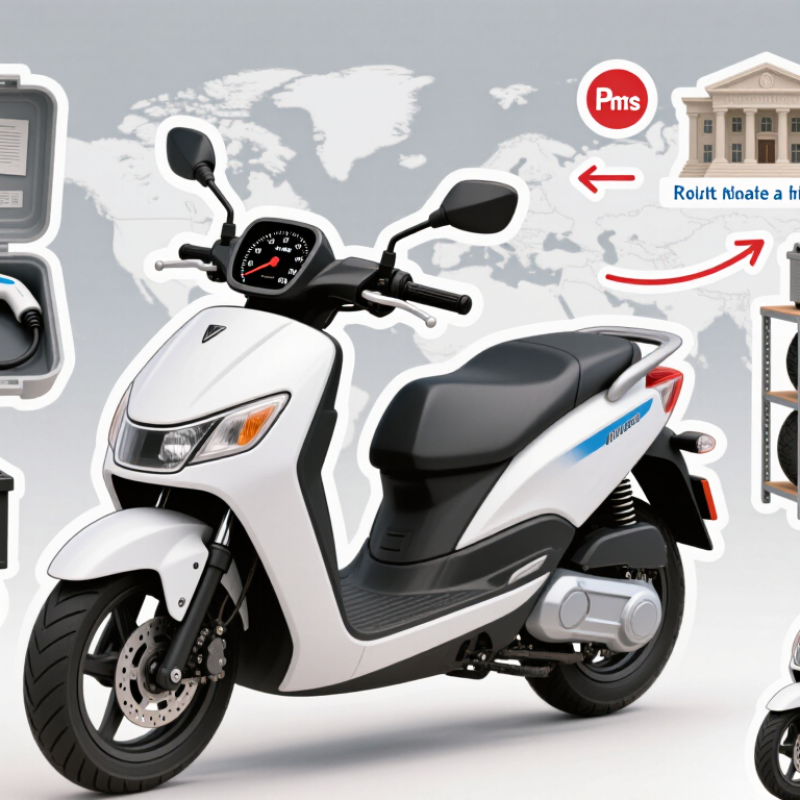
How to Buy a Pure EV Etrance Moped Globally?

Pure EV Etrance Moped: Key Features and Global Market Position

The Etrance moped occupies a practical position in the global electric two-wheeler market. It targets short urban trips, campus travel, and daily commuting. Its compact frame can fit narrow streets and crowded apartment parking areas. A step-through design makes mounting easier for many riders. The electric motor also delivers quiet acceleration without producing exhaust fumes.

Battery capacity, charging time, and real-world range deserve close attention. Published range figures may change with rider weight, hills, traffic, and temperature. Range is not everything. A rider covering 20 kilometers daily may value stable charging more than maximum speed.

Check the paperwork. Confirm battery specifications, charger voltage, warranty terms, and replacement-part access before ordering internationally.

The moped’s global market position depends on local support as much as its hardware. Buyers should verify registration requirements, lighting standards, import duties, and service availability in their country. A nearby dealer can resolve brake, tire, and electrical issues faster than distant online support. I would also inspect user reviews from similar climates, especially hot or rainy regions. Some claims may sound optimistic. Independent test evidence is still limited in certain markets, so careful comparison remains necessary. Ask for a written delivery estimate and inspect the vehicle immediately after arrival.

Check Local Laws, Import Rules, and Electric Vehicle Standards

Buying an electric moped overseas requires more than checking its price and riding range. Start with your destination’s vehicle classification rules. A model limited to low speed may be treated differently from a faster scooter. Confirm required licenses, helmets, insurance, registration, and road access with the local transport authority.

Import rules can change the final cost. Ask the seller for the commercial invoice, packing list, certificate of origin, battery details, and vehicle identification information. Customs may request translated documents. Shipping a lithium battery also requires approved packaging and carrier paperwork. Never assume home delivery includes customs clearance. That assumption can become expensive.

Check whether the moped meets local electric vehicle standards. Review charging voltage, plug type, electromagnetic compatibility, braking performance, lights, mirrors, and battery safety tests. A charger designed for another electrical system may be unsafe or unusable. Contact an authorized inspection office before ordering, not after arrival. I once underestimated translation and port fees in a cross-border purchase. The mistake was avoidable. Keep written confirmation from officials and the seller, because online listings may omit regional requirements. Compare the warranty process too. A distant repair center can turn a small battery fault into weeks of delay.

Find Authorized Sellers and Compare International Purchase Options

Buying a pure electric moped globally should begin with seller verification, not the lowest advertised price. Look for an authorized dealer through the manufacturer’s official sales channels or a recognized distributor network. Check the company’s physical address, registration details, and customer service contacts. A genuine seller should provide written confirmation of authorization, warranty coverage, and export eligibility.

Do not rely on screenshots alone. Ask for an itemized quotation covering the vehicle, shipping, insurance, customs duties, local taxes, registration, and dealer preparation. Compare the final delivered cost between local dealers, regional exporters, and direct international suppliers. Confirm the charger’s plug type and voltage. Check whether replacement batteries, tires, controllers, and service tools are available in your country. Ask who manages warranty repairs after delivery. A cheaper overseas offer may become expensive when parts require weeks to arrive.

Before paying, verify the frame number, battery serial number, production date, stated range, and test conditions. Request copies of safety documents accepted by your destination authority. Confirm local rules for licensing, insurance, road use, and battery transport. Use a payment method with documented buyer protection, and read cancellation terms carefully. Pause when details conflict. My checklist is useful, but it is not perfect; an authorized seller may still lack practical support in your region. A short video call, clear invoice, and written delivery timeline can reveal more than polished advertising.

Arrange Payment, Shipping, Customs Clearance, and Delivery

Buying a pure electric moped across borders requires more than choosing a model. Confirm the seller’s identity, vehicle specifications, battery chemistry, accessories, and destination compatibility. Request a pro forma invoice listing the moped, battery, charger, freight, and insurance separately. Use a traceable payment method with clear dispute terms. A small deposit may be safer than full payment, but confirm production timing in writing. Exchange rates can shift. I once underestimated bank fees, and the final cost was noticeably higher.

Shipping should match battery rules and route availability. Ask whether the battery travels installed, separately packed, or through a restricted service. Obtain the transport document, tracking number, packing list, and insurance certificate. Before dispatch, check import duty, VAT, registration, safety certification, and age requirements. Customs may request product codes, battery test documents, or proof of origin. A broker can explain local procedures, but you remain responsible for accurate documents. Confirm delivery access if the crate is heavy. Photograph the crate before opening it, then record damage immediately.

Tips:
Keep every invoice and message in one folder. Ask for the battery serial number and charging instructions. Compare the declared value with the invoice. An unrealistically low declaration can delay clearance or create penalties. Leave extra time; ports and inspections rarely follow an ideal schedule. Check local registration rules before paying.

How to Buy a Pure EV Moped Globally

Typical planning timeline for an international electric-moped purchase. Transit and customs times are estimates and vary by destination, shipping route, documentation, and local regulations.

Complete Registration, Insurance, Charging, and After-Sales Support

Buying a pure electric moped across borders requires more than a checkout payment. Confirm the vehicle’s homologation, VIN, battery specifications, and Certificate of Conformity before shipping. Registration rules differ by country, and some authorities require translated invoices or an inspection. Ask the seller for these documents early. Delays often begin with one missing paper.

Insurance also needs careful checking. Electric mopeds may require liability insurance, registration plates, or a specific driving licence. Coverage can exclude battery theft, water damage, or cross-border transport. Read the exclusions, not only the premium. The International Energy Agency reported more than 14 million electric cars sold globally in 2023, showing market growth, but moped insurance standards remain uneven. Local insurers should confirm eligibility in writing.

Charging is usually simpler, but not always. Check the supplied charger’s voltage, plug type, and weather rating. Never assume a travel adapter is safe for daily charging. The IEA reported over four million public charging points worldwide by the end of 2023, yet most electric two-wheelers still depend on home charging. A dedicated socket near a dry parking space is practical. After-sales support deserves equal attention. Confirm spare-parts availability, battery warranty terms, service response times, and software support. Keep screenshots and invoices. My own buying checklist would still include one uncomfortable question: who repairs the vehicle when the original distributor disappears? That answer may matter more than a small price difference.

How to Buy a Pure EV Etrance Moped Globally? - Complete Registration, Insurance, Charging, and After-Sales Support

Purchase Dimension What to Check Typical Requirement or Range Documents or Evidence Recommended Action
Vehicle Classification Confirm whether the electric moped is classified as a bicycle, low-speed electric vehicle, moped, or motorcycle in the destination country. Rules vary by maximum speed, motor power, vehicle weight, and whether pedals are fitted. Many jurisdictions use separate thresholds for low-speed and high-speed electric two-wheelers. Technical specification sheet, conformity certificate, vehicle identification number, and type-approval documents. Obtain written confirmation from the local transport authority before placing an international order.
Destination Eligibility Check whether private importation and road use are permitted in the destination market. Some countries allow personal imports but require inspection, local certification, or conversion before registration. Import permit, customs guidance, local registration instructions, and inspection requirements. Verify the rules with customs and the vehicle-registration authority, not only with the seller.
Purchase Price Separate the vehicle price from freight, insurance, taxes, customs charges, assembly, and registration fees. The final landed cost can be materially higher than the advertised vehicle price because duties and local taxes differ by destination. Commercial invoice, pro forma invoice, shipping quotation, tariff classification, and payment terms. Request a written landed-cost estimate with all charges shown separately.
Battery Specification Review battery chemistry, nominal voltage, capacity, removable-battery status, protection system, and replacement availability. Energy is commonly expressed in watt-hours (Wh), calculated as volts (V) multiplied by ampere-hours (Ah). Actual range depends on rider weight, speed, terrain, temperature, and tire pressure. Battery label, safety data, test reports, charger specifications, and transport classification. Confirm that the battery and charger are approved for transport and compatible with the destination’s electrical system.
International Shipping Determine how the lithium battery will be shipped and who is responsible for customs clearance. Lithium-ion batteries are regulated dangerous goods for transport. Air and sea freight may require specific packaging, labels, declarations, and carrier approval. Dangerous-goods declaration, battery test summary, packing certificate, bill of lading, and commercial invoice. Use a freight provider experienced in lithium-battery shipments and confirm delivery terms in writing.
Import Duties and Taxes Identify customs duty, value-added tax or sales tax, environmental fees, port charges, and brokerage fees. Rates depend on the customs classification, declared value, country of origin, trade agreements, and local incentive programs. Customs tariff code, certificate of origin, invoice, freight cost, and import declaration. Ask a customs broker for a destination-specific estimate before payment.
Registration Check whether the vehicle must be registered, plated, inspected, and linked to a local owner. Common requirements include proof of identity, proof of address, ownership evidence, customs clearance, insurance, and a roadworthiness or conformity inspection. Sales invoice, customs release, title or ownership certificate, VIN record, conformity certificate, and insurance policy. Book the inspection early and retain copies of every import and purchase document.
Driving Licence Confirm whether a bicycle permit, moped licence, motorcycle licence, or full driving licence is required. Licence requirements generally depend on vehicle speed, motor output, age limits, and local road-use rules. Valid licence, learner permit where applicable, identity document, and proof of approved training if required. Do not ride on public roads until the licence and classification requirements are confirmed.
Insurance Check mandatory third-party liability cover and optional theft, collision, personal-injury, and battery cover. Mandatory insurance varies by country and vehicle category. A standard bicycle policy may not cover a registered moped. Vehicle registration details, VIN, rider licence, purchase invoice, security information, and battery details. Obtain confirmation that cross-border import, storage, charging, and battery-related incidents are covered.
Charging Compatibility Verify charger input voltage, plug type, frequency, charging current, and local electrical-safety requirements. Household electricity commonly differs by region, with nominal systems such as approximately 100–127 V or 220–240 V. The charger must support the local supply. Charger label, user manual, plug specification, electrical certification, and adapter requirements. Use only the approved charger and a properly grounded outlet; avoid unverified voltage converters.
Charging Time Compare battery capacity with charger output and confirm whether the battery can be charged on or off the vehicle. Approximate charging time is battery energy in Wh divided by charger power in W, with additional time for charging losses and battery-management limits. Battery capacity, charger output, charging instructions, and temperature limits. Plan charging around the manufacturer’s stated operating temperature and charging window.
Public Charging Determine whether the moped uses a standard household plug or a dedicated charging connector. Many small electric mopeds charge from a household outlet and may not connect directly to public car-charging stations. Connector type, charging-current limits, adapter approval, and public-station compatibility statement. Confirm compatibility before relying on public charging infrastructure.
Battery Safety Review protection against overcharge, overheating, short circuit, deep discharge, and physical damage. A battery-management system should monitor cells and disconnect charging or discharge when safety limits are reached. Safety certification, battery-management-system description, recall information, and storage instructions. Stop using a swollen, damaged, leaking, or unusually hot battery and seek qualified service.
Operating Conditions Check temperature, humidity, water-resistance, gradient, payload, and storage limits. Cold temperatures can reduce available range, while excessive heat can accelerate battery degradation. Water-resistance ratings do not usually permit immersion. Owner’s manual, environmental ratings, maximum payload, and recommended storage conditions. Store the vehicle and battery in a dry, ventilated location within the specified temperature range.
Warranty Coverage Review coverage for the frame, motor, controller, display, charger, battery, and consumable parts. Coverage periods and battery-capacity guarantees vary by seller and jurisdiction. Wear items are often excluded or limited. Written warranty, exclusions, claim procedure, proof of purchase, and warranty start date. Confirm whether warranty service is available in the destination country or requires return shipping.
Spare Parts Check availability and pricing for tires, brake pads, cables, lights, fuses, chargers, controllers, and batteries. Common mechanical parts may be locally sourced, while electronic modules and battery packs may require international shipment. Parts catalogue, component references, stock policy, and estimated delivery times. Buy essential spare parts and a compatible charger before the original warranty or supply channel expires.
After-Sales Service Identify the nearest qualified repair facility and confirm diagnostic support. Service may include brake adjustment, tire replacement, firmware diagnostics, electrical testing, and battery inspection. Service network list, technician qualifications, diagnostic procedure, labour rates, and escalation contacts. Obtain a local service contact and written response-time target before purchase.
Software and Connectivity Check whether an application, cellular connection, GPS, firmware update, or online account is required. Connected functions may depend on regional network availability, data plans, privacy rules, and continued software support. Supported countries, operating-system requirements, privacy policy, update method, and offline operating capability. Confirm that essential riding functions remain available if the app or network is unavailable.
Safety Equipment Check mandatory helmet, lighting, reflector, mirror, horn, visibility, and protective-equipment rules. Requirements differ by country and vehicle category. Helmet standards may specify approved national or international certifications. Vehicle equipment list, helmet certification, safety manual, and local road-use regulations. Equip the moped for the strictest applicable local requirement before riding.
Return and Refund Terms Review cancellation rights, inspection period, restocking charges, return freight, and battery-shipping restrictions. International returns may be expensive or restricted because lithium batteries are regulated during transport. Sales contract, return policy, payment-protection terms, and dispute-resolution process. Read the complete contract before payment and document any damage immediately upon delivery.
Delivery Inspection Inspect packaging, frame, wheels, brakes, lights, display, throttle, charger, battery, and accessories. Photograph the package before opening and record visible damage, missing items, mileage, and battery condition. Delivery note, photographs, unpacking video, serial numbers, and damage report. Notify the carrier and seller within the contractually specified reporting period.
Ownership Records Maintain a complete record for registration, insurance, resale, warranty, and theft recovery. Keep documents for the life of the vehicle, including proof of purchase, VIN, battery serial number, service history, and registration records. Digital and paper copies of invoices, customs records, certificates, insurance, service receipts, and manuals. Store encrypted digital backups and record all maintenance and replacement parts.

FAQS

What should I confirm before buying an electric moped internationally?

Confirm the seller’s identity, vehicle specifications, battery chemistry, accessories, and destination requirements. Ask for the VIN and conformity documents. Details matter.

Which payment documents should I request?

Request a pro forma invoice listing the moped, battery, charger, freight, and insurance separately. Use traceable payment methods with clear dispute terms. Keep everything.

Is a small deposit safer than full payment?

A small deposit may reduce risk, but confirm production timing in writing. Check bank fees and exchange rates. I once underestimated both.

How should the battery be shipped?

Ask whether the battery travels installed, separately packed, or through a restricted service. Request transport documents, tracking, packing details, and insurance proof.

What customs documents might be required?

Customs may request product codes, battery test documents, proof of origin, invoices, or conformity certificates. Compare the declared value with the invoice. Unrealistic values can cause delays.

What should I check before delivery?

Confirm import duty, VAT, registration, safety certification, and age requirements before payment. Ensure the delivery site can handle a heavy crate. Measure the doorway.

How can I protect myself when the crate arrives?

Photograph the crate before opening it. Record visible damage immediately and notify the carrier. Keep the packaging. I might forget otherwise.

What is needed for registration and insurance?

Check VIN requirements, translated invoices, inspections, registration plates, liability insurance, and licence rules. Ask local authorities and insurers for written confirmation.

What should I check about charging?

Confirm charger voltage, plug type, and weather rating. Use a dedicated socket near a dry parking area. A travel adapter is not always suitable.

How should I evaluate after-sales support?

Confirm spare-parts availability, battery warranty terms, repair response times, and software support. Ask who repairs the vehicle if the original distributor disappears. That answer matters.

Conclusion

Buying a Pure Ev Etrance Moped internationally requires careful planning from product selection to long-term ownership. Start by reviewing its main features, including battery capacity, riding range, motor performance, safety equipment, charging needs, and suitability for local roads. Then check the destination country’s vehicle classifications, import procedures, technical standards, environmental requirements, and registration rules. Confirm that the model can legally be imported and operated in the intended region before placing an order.

Next, compare authorized sellers and international purchasing options, focusing on transparent pricing, warranty coverage, spare-parts availability, and verified specifications. Plan payment, transportation, customs documentation, taxes, and final delivery in advance, using qualified logistics providers when necessary. After receiving the moped, complete local registration and insurance, arrange a safe and compatible charging solution, and learn the recommended maintenance schedule. Reliable after-sales assistance and access to replacement parts are also essential for ensuring safe, convenient, and dependable ownership.


Liam

Liam

Liam is a dedicated marketing professional with a profound expertise in the industry, where he excels at highlighting the unique advantages of our core products. With a keen understanding of market trends and consumer needs, Liam frequently updates our company’s professional blog, providing......