Urban commuting is evolving rapidly, with the rise of the Motorbike Electric Scooter. This modern transportation solution is increasingly gaining traction in bustling cities around the globe. Leading industry expert, Dr. Angela Moore, emphasizes the shift, stating, "Motorbike Electric Scooters are redefining how we navigate urban spaces."
As traffic congestion and pollution become daunting challenges, many commuters are turning to these scooters for their flexibility and eco-friendliness. They offer a practical alternative to traditional vehicles. Riders can easily maneuver through tight spaces, reducing commute times. However, not all cities are prepared for this transition. Infrastructure needs improvement to accommodate more two-wheelers safely.
Despite their advantages, the adoption of Motorbike Electric Scooters raises questions. How can cities ensure safety and encourage responsible riding? An increased presence often brings challenges like parking and traffic management. The conversation is just beginning, and it’s crucial to reflect on how these scooters fit into our urban ecosystems.
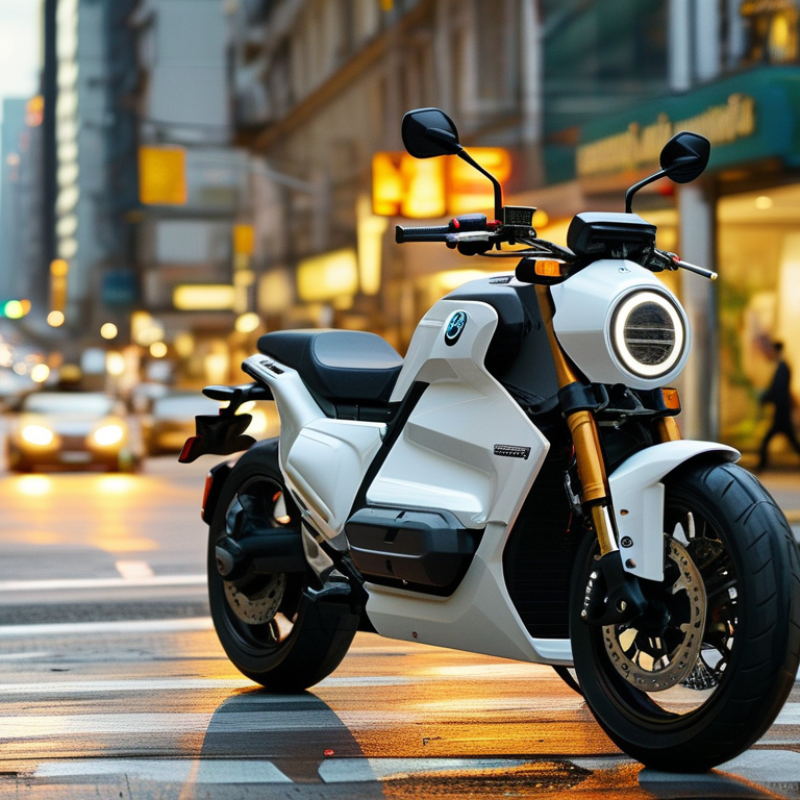
Electric scooters are becoming a popular choice for urban commuting. They offer a practical solution to daily transportation challenges. With rising traffic congestion, electric scooters provide a quick and efficient way to navigate busy city streets. They can easily weave between cars, allowing riders to arrive at their destination faster than traditional methods.
Environmental concerns are another significant benefit. Electric scooters produce zero emissions, reducing air pollution in urban areas. Many cities are promoting cleaner transportation options. This shift not only benefits our planet but also improves the quality of urban life. However, it is crucial for riders to be aware of their surroundings to ensure safety. Using scooters responsibly can mitigate accident risks.
Cost savings are a compelling reason to choose electric scooters. Maintenance costs are generally lower compared to cars or motorcycles. Fuel expenses vanish, and charging is often cheaper than filling a gas tank. Yet, not everyone may feel comfortable riding. Some might struggle with balancing the scooter or navigating crowded areas. Reflecting on these challenges helps improve riding skills and overall confidence.
Motorbike electric scooters offer a budget-friendly option for urban commuting. With rising fuel prices, many cities see the financial strain of car ownership. Electric scooters provide a way to circumvent these expenses effectively. The cost of charging an electric scooter is significantly lower than filling a gas tank. In some cases, it can be less than a dollar per charge.
Maintenance costs are also reduced. Electric scooters have fewer moving parts, which means fewer repairs over time. Riders often save on insurance as well. These factors contribute to an overall lower cost of ownership. However, potential buyers should consider the initial investment and battery lifespan.
Urban commuting also means navigating congested streets. The compact size of electric scooters allows for easier parking and maneuvering. This convenience can save valuable time. But the question remains: is the convenience worth the upfront expense? Riders must weigh the long-term savings against short-term costs. Ultimately, motorbike electric scooters present a practical choice for those seeking economical transportation in the city.
Electric scooters have transformed urban commuting, offering a green alternative to traditional vehicles. They run on electricity, significantly reducing carbon emissions in cities. In congested areas, they provide a way to navigate without contributing to traffic jams. Less pollution leads to better air quality, which is crucial for urban health. Studies show that electric scooters can lessen noise, making cities more livable.
Choosing an electric scooter can help individuals take responsibility for their environmental impact. Using one for daily commutes reduces reliance on fossil fuels. While the infrastructure for electric scooters is improving, some cities still lack adequate charging stations. It's essential to consider your local environment before committing.
When riding, always prioritize safety. Wear a helmet and follow local regulations. Choose routes that are safe and well-lit. Remember, electric scooters are not a one-size-fits-all solution. They work best in specific conditions. Reflect on your commuting pattern and see if an electric scooter fits your lifestyle and contributes positively to your urban environment.
| Category | Data |
|---|---|
| Average Carbon Emissions of Gasoline Scooters | 70 g/km |
| Average Carbon Emissions of Electric Scooters | 0 g/km |
| Cost of Electricity per Charge | $0.30 |
| Average Range on Full Charge | 25 km |
| Reduction in Urban Noise Pollution | 50% |
| Percentage of Urban Trips Suitable for Scooters | 60% |
| Space Required per Scooter Parking | 0.5 m² |
| Number of Cities with Scooter Regulations | 120+ |
Electric scooters and traditional motorbikes serve different needs in urban commuting. Electric scooters are lightweight and easier to maneuver. They fit well in crowded spaces. Parking is more straightforward compared to traditional bikes. You don’t need to spend much time looking for a spot. Their compact design allows them to navigate through traffic efficiently. However, their speed usually doesn’t match that of traditional motorbikes.
Traditional motorbikes offer better performance. They handle longer distances effectively. Riders often enjoy a sense of freedom with larger engines. Yet, they consume more fuel and produce emissions. The costs of maintenance and insurance can also be higher. Homeowners often face challenges with parking regulations for larger vehicles. In contrast, electric scooters, being lighter and smaller, usually come with less hassle regarding these issues.
The choice often depends on personal preferences. For instance, an electric scooter might fit someone who values convenience and eco-friendliness. But if performance and speed are priorities, a traditional motorbike might be preferable. Users should reflect on their commuting needs and consider how each vehicle aligns with their lifestyle.
Electric scooters have gained popularity for urban commuting due to their convenience and efficiency. However, safety features and regulations are crucial aspects for riders. According to a recent report by the National Highway Traffic Safety Administration (NHTSA), proper safety gear and features can reduce accident risks. Safety can be enhanced with helmets, lights, and reflective gear. Many cities implement rules requiring riders to wear helmets, which can decrease head injuries by up to 60%.
Riders should be aware of local laws regarding electric scooter usage. Regulations often specify maximum speed limits and designated riding areas. Some cities have restrictions on where scooters can ride. For instance, riding on sidewalks may be banned. Non-compliance with these laws can lead to fines or accidents. Understanding these regulations is essential for safe commuting.
Make sure to perform regular maintenance checks on your scooter. A well-maintained scooter can prevent malfunctions. Check brakes, tires, and lights frequently. Avoid high-traffic times to enhance safety. Defensive riding techniques, such as looking for potential hazards, are vital. Always be cautious of pedestrians and vehicles.
: Electric scooters reduce carbon emissions and improve air quality in urban areas. They also decrease noise pollution.
Using an electric scooter for daily travel reduces reliance on fossil fuels and promotes environmental responsibility.
Yes, some cities lack adequate charging stations, making it harder to commit to using electric scooters for commuting.
Riders should wear helmets, follow local regulations, and choose safe routes that are well-lit and clear of obstacles.
Electric scooters are lightweight and maneuverable, while traditional motorbikes offer better performance and speed but consume more fuel.
Reflect on your commuting patterns and choose a vehicle that suits your lifestyle and aligns with your eco-friendly goals.
Local laws often define speed limits and where scooters can ride. Compliance is necessary to avoid fines and ensure safety.
Regular maintenance checks on brakes, tires, and lights can prevent malfunctions. Defensive riding techniques are also crucial.
No, while they are convenient, riders must remain vigilant to avoid accidents and be aware of their surroundings.
Yes, using safety gear like helmets, lights, and reflective clothing is important for reducing injury risks.
Motorbike Electric Scooters have become an increasingly popular choice for urban commuting due to their numerous benefits. They offer cost-effectiveness through lower operational costs compared to traditional motorbikes, allowing riders to save on fuel and maintenance. Additionally, electric scooters contribute positively to environmental sustainability by reducing emissions, making them an eco-friendly alternative in busy city landscapes.
When comparing Motorbike Electric Scooters to conventional motorbikes, the former often comes with enhanced safety features and complies with emerging regulations designed to protect riders and pedestrians alike. These electric options provide a convenient and practical solution for navigating urban environments, promoting a cleaner and more efficient mode of transport for daily commuters.

Lingmo
