What will define the most powerful mopeds in 2026? The answer will not depend on motor output alone. Riders will compare acceleration, battery capacity, thermal control, braking confidence, and daily comfort. A fast machine becomes less useful when its range drops sharply in cold weather. That detail matters.
Horace Dediu, a respected micromobility analyst and founder of Asymco, has said, “The future of transportation is smaller, lighter, and more shared.” His observation helps frame the next generation of Powerful Moped design. Manufacturers are moving beyond simple speed claims. They are developing dual-battery systems, stronger frames, connected dashboards, and improved suspension. Some models may combine motorcycle-like stability with scooter-level practicality. Others will focus on cargo work, steep urban streets, or longer suburban commutes.
The strongest 2026 contenders will likely fall into several clear groups. High-performance electric mopeds may attract riders seeking quick launches and confident hill climbing. Long-range models could use larger batteries, efficient controllers, and removable charging packs. Utility-focused designs may offer reinforced racks, weather protection, and wider tires. Retro-styled mopeds will remain appealing, but appearance cannot replace dependable brakes or safe lighting.
Numbers can mislead. Very powerful motors may increase weight, heat, and energy consumption. That trade-off deserves more attention. Real roads disagree with showroom promises. A wet corner, loose gravel, or crowded junction reveals weaknesses quickly. This guide examines the leading Powerful Moped types for 2026 through performance, engineering quality, rider experience, and practical ownership. Some conclusions may change as battery technology develops. That uncertainty should be acknowledged, not hidden.
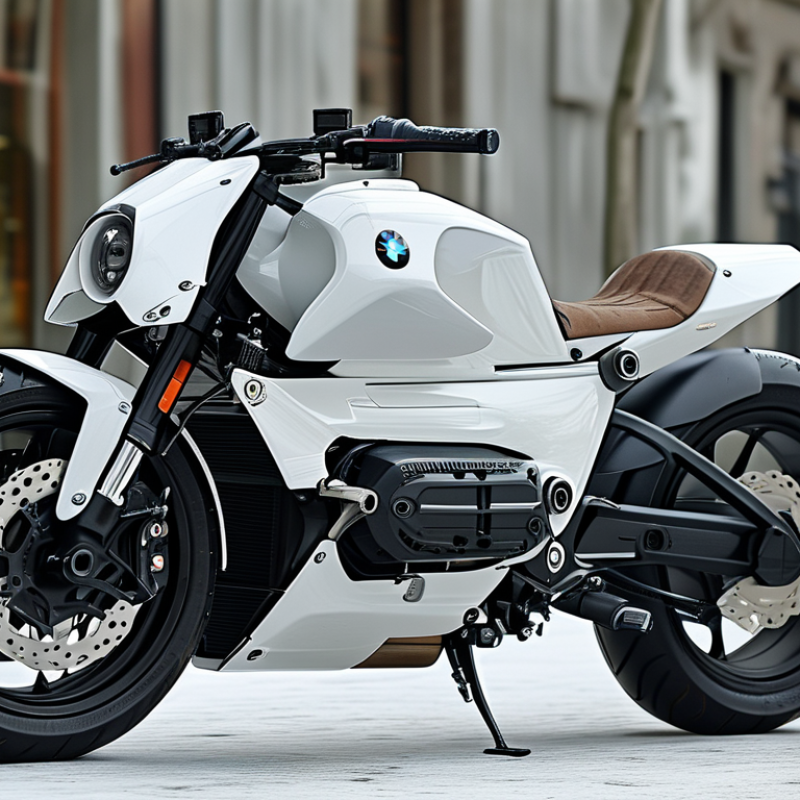
Moped Classification: Understanding Power, Speed, and Engine Types
What Are the 2026 Top Powerful Moped Types?
Moped classification depends on power, speed, engine design, and local regulations. Traditional mopeds usually use engines near 50cc and have modest top speeds. Their strength is balance, not dramatic acceleration. A larger 80cc or 125cc machine may feel much stronger, but it could be legally classified as a motorcycle in some regions. Always check current local rules before buying or riding.
Petrol mopeds remain popular because refueling is quick and long-distance travel is practical. Two-stroke engines can deliver sharp acceleration, although they may produce more noise and emissions. Four-stroke engines usually run more smoothly and use fuel efficiently. Electric mopeds offer instant torque, quiet operation, and simple maintenance. Their real performance depends on motor output, battery capacity, rider weight, hills, and temperature. Range figures can look impressive on paper.
Power is not the only measure.
During a careful inspection, I would check braking distance, tire grip, frame stability, and motor heat. A powerful motor with weak brakes is a poor design choice. Speed ratings also deserve skepticism because testing conditions differ. One overlooked detail can change the result. I once underestimated how strongly cold weather reduced battery response; that remains a useful reminder. For 2026, the most capable moped types are likely to be performance-focused electric models, refined four-stroke models, and compact machines with stronger suspension. Yet “top powerful” should mean controlled, reliable performance, not merely the highest number.
Top Powerful Moped Types Expected in 2026
Expected in 2026, the strongest moped market will likely split into three practical types. High-output electric mopeds may lead urban commuting, offering quick acceleration, quiet operation, and stable torque on hills. Extended-range electric models should suit riders traveling beyond dense city centers. Their larger battery packs add weight, though. That trade-off matters when carrying the vehicle upstairs.
Light hybrid mopeds could attract cautious buyers. They combine electric assistance with a small combustion engine for longer routes. Their appeal is flexibility, but maintenance becomes more complex. Buyers should check service access, battery warranty terms, braking performance, lighting, and local classification rules. A powerful motor is useful only when the frame, tires, and suspension remain composed.
From a professional safety perspective, power figures deserve context. Ask about continuous output, not only peak output. Test hill starts, emergency braking, seat comfort, and low-speed balance before choosing. Observe performance on wet pavement and uneven streets. Helmet use and visible lighting remain essential, even on short trips. Predictions are imperfect. Charging infrastructure, battery costs, and regulations may change the ranking. I may be overvaluing electric performance, while some riders will prefer simpler machines that are easier to repair.
What Are the 2026 Top Powerful Moped Types? - Top Powerful Moped Types Expected in 2026
| Moped Type |
Typical Powertrain |
Typical Top Speed |
Typical Range or Fuel Economy |
Main Strength |
Best Use in 2026 |
| High-Output Electric Moped |
Hub or mid-drive motor; approximately 3–8 kW peak output |
45–75 km/h, depending on local classification |
60–150 km per charge under mixed riding conditions |
Fast acceleration, low operating noise and zero tailpipe emissions |
Urban commuting and short-distance suburban travel |
| Dual-Battery Electric Moped |
One electric motor with two removable or fixed battery packs |
45–70 km/h |
100–220 km combined claimed range; actual range varies with speed, load and weather |
Longer daily range and reduced charging frequency |
Delivery work, commuting and areas with limited public charging |
| Performance Maxi Moped |
Large-frame electric or small-displacement internal-combustion drivetrain |
60–100 km/h, where permitted |
70–160 km electric range, or approximately 2.5–4.0 L/100 km for petrol versions |
High-speed stability, stronger brakes and more storage |
Long urban routes, ring roads and two-up riding |
| 50 cc Two-Stroke Moped |
Approximately 49–50 cc two-stroke petrol engine with automatic transmission |
45–70 km/h when unrestricted; many jurisdictions limit mopeds to 45 km/h |
Approximately 2.5–4.0 L/100 km |
Low weight, simple mechanics and strong low-speed response |
Light commuting where older petrol designs remain legal |
| 50 cc Four-Stroke Moped |
Approximately 49–50 cc four-stroke petrol engine |
45–60 km/h, subject to legal restrictions |
Approximately 1.8–3.0 L/100 km |
Good fuel efficiency, lower emissions than comparable two-stroke designs and easy operation |
Cost-conscious city and neighborhood transportation |
| 125 cc-Class Step-Through |
Approximately 100–125 cc four-stroke petrol engine; automatic or semi-automatic transmission |
85–105 km/h |
Approximately 2.0–3.5 L/100 km |
The strongest practical performance in a lightweight step-through format |
Mixed city and suburban travel, including moderate-speed roads |
| Cargo and Utility Moped |
Electric motor or 50–125 cc petrol engine with reinforced frame and load equipment |
45–85 km/h, depending on drivetrain and payload |
50–160 km electric range, or approximately 2.0–4.0 L/100 km for petrol versions |
High carrying capacity, low running costs and easy access in congested streets |
Last-mile delivery, local service businesses and small commercial fleets |
Note: “Moped” is defined differently across countries and regions. Speed, power, licensing, helmet, registration and road-access requirements should be checked against local regulations. Electric range figures are typical estimates and can change substantially with rider weight, temperature, terrain, speed and payload.
Electric Mopeds Versus Gas-Powered Performance Models
What Are the 2026 Top Powerful Moped Types?
Electric Mopeds Versus Gas-Powered Performance Models
Powerful mopeds now divide into two clear camps: electric commuters and gas-powered performance models. The International Energy Agency’s Global EV Outlook 2024 estimates over 280 million electric two- and three-wheelers were operating worldwide in 2023. That figure shows strong adoption, especially in dense urban markets. Electric motors deliver instant torque, making steep starts feel surprisingly sharp. They also produce little noise and require fewer routine mechanical services. However, charging still depends on parking access, temperature, and battery condition.
Gas-powered performance models remain practical for longer routes. A full tank usually takes minutes, not hours. Their engines can maintain speed more consistently on open roads. They also provide familiar sound and mechanical feedback. Yet fuel, oil, vibration, and exhaust emissions increase daily running demands. The U.S. Department of Energy’s Alternative Fuels Data Center reports that electric drivetrains convert far more stored energy into motion than combustion systems. Real-world results remain messier than brochures. I would not choose on acceleration alone.
Tips: Check torque, usable range, charging time, and rider weight limits. Test both models on a hill. Measure braking confidence with a passenger. For electric mopeds, inspect battery warranty terms and replacement costs. For gas models, calculate yearly fuel and maintenance expenses. A short commute favors electric power. Frequent rural travel may still favor combustion. That judgment can change.
What Are the 2026 Top Powerful Moped Types?
Electric performance mopeds deliver strong acceleration and low operating noise, while gas-powered performance mopeds generally offer longer travel distance and faster refueling. The figures below represent realistic upper-end specifications for moped-style performance vehicles; exact limits vary by model and local regulations.
Key takeaway: Gas-powered performance models typically provide greater practical range, while electric models offer competitive top speed with simpler, quieter operation and zero tailpipe emissions.
Key Features That Define a High-Power Moped
What Are the 2026 Top Powerful Moped Types?
High-power mopeds are becoming more varied in 2026. Urban commuters need quick acceleration and compact handling. Utility riders often prefer stronger frames and larger cargo platforms. Some models suit mixed roads, with longer suspension travel and wider tires. The best type depends on daily distance, road surface, and charging access.
Motor output matters, but torque delivery matters more in traffic. A smooth controller can prevent jerky starts near pedestrians. Battery capacity should match real riding conditions, including hills, cold weather, and extra weight. Effective thermal management helps maintain performance during repeated climbs. A removable battery is useful in apartments, although it can add weight.
Braking deserves serious attention. Hydraulic disc brakes, quality pads, and bright lighting improve control in changing conditions. A rigid frame should still provide enough comfort for rough pavement. Good tires need reliable grip without creating excessive rolling resistance. Weather-resistant wiring and sealed connectors support dependable use, but no electrical system is invulnerable.
I would also check the display carefully. Clear speed, charge, and warning information reduces distraction. Certified safety components and compliant speed settings are essential. Local rules can define registration, equipment, and where the moped may operate.
More power is not always better. A heavier battery may extend range but reduce easy parking. I still question advertised range figures when testing ignores hills and frequent stops. Real-world evaluation should include braking, balance, charging time, and rider comfort, not acceleration alone.
How to Choose the Right Powerful Moped for Your Needs
What Are the 2026 Top Powerful Moped Types?
Choosing a powerful moped starts with your route, not the highest advertised speed. Electric performance mopeds suit short urban trips, delivery work, and quiet residential riding. Their instant torque helps on steep streets. Petrol mopeds remain practical for longer distances, especially where charging points are limited. Hybrid models can reduce fuel stops, but their added weight may affect handling.
The International Energy Agency reported over 25 million electric two- and three-wheelers sold worldwide in 2023. It also identified this category as the most electrified part of road transport. That growth matters, but range claims need careful testing. A 2.5-kilowatt motor may feel strong on flat roads and sluggish with a passenger. Battery size, rider weight, temperature, tire pressure, and hills can change results sharply. I would check real-world range reports, not only laboratory figures.
Tips:
Measure your daily route first. Select at least 30% more claimed range than you normally need. Check charging time, removable-battery weight, brake performance, suspension travel, and available service support. Ask whether the model’s classification matches your local requirements. Regulations differ by location, and a “moped” label may not describe identical power limits everywhere. A short test ride reveals awkward steering, harsh suspension, or weak hill performance. Do not ignore those details. Fancy specifications can distract from ordinary discomfort.
Conclusion
In 2026, the most capable mopeds will be defined by a balanced combination of motor power, practical speed, efficient energy use, and dependable handling. Understanding moped classification is essential because engine size, battery capacity, speed limits, and transmission design all influence performance. Powerful Moped options are expected to include advanced electric models with strong torque and long-range battery systems, as well as gas-powered performance models designed for responsive acceleration and extended riding distances. Each type offers different advantages in terms of maintenance, operating cost, noise, and riding character.
A high-power moped typically features a durable frame, reliable braking, stable suspension, effective lighting, comfortable ergonomics, and clear control displays. Buyers should consider their daily travel distance, terrain, storage needs, charging or refueling access, budget, and preferred riding experience before making a choice. The ideal model should provide enough power for intended use without sacrificing safety, efficiency, comfort, or responsible operation.

 Lingmo